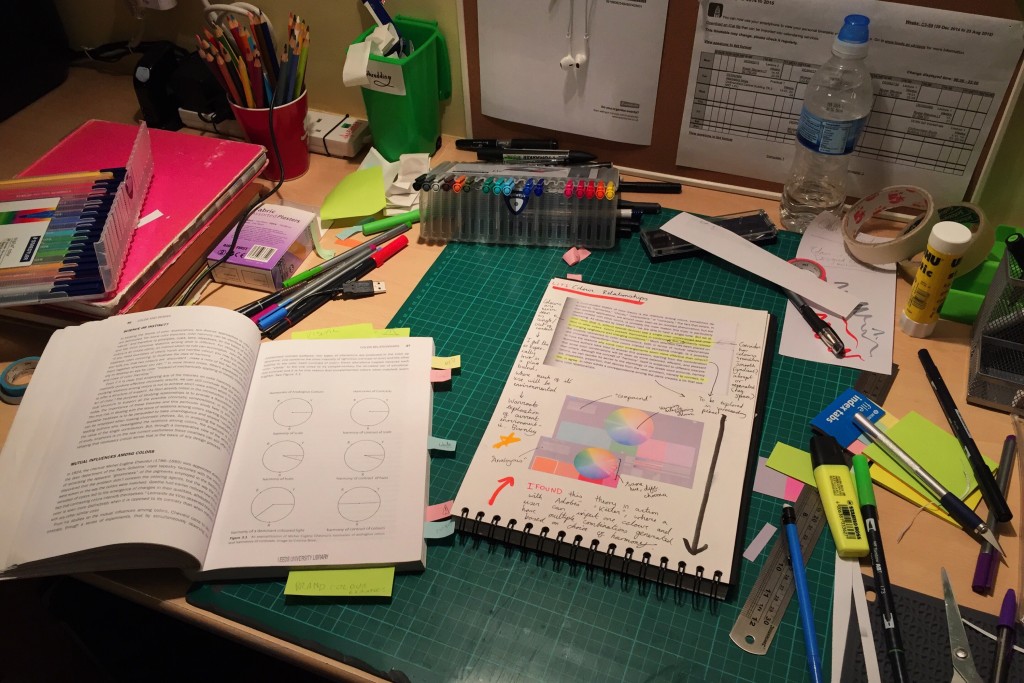
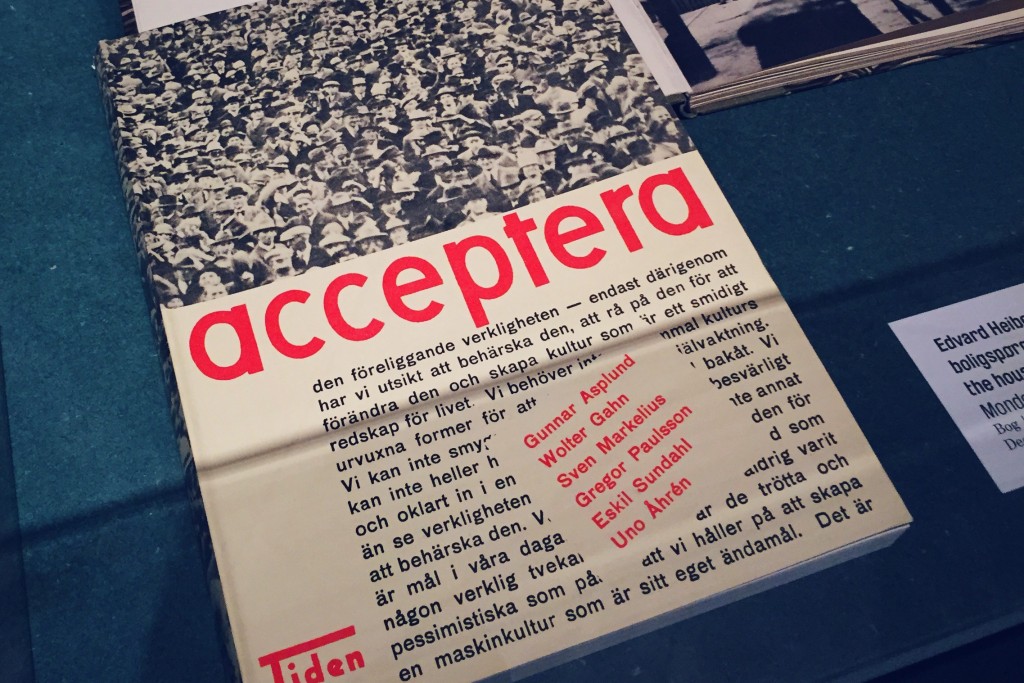
To kick off my new module option, Principles of Typography, I thought I’d make a quick overview of some reading I’m currently working my way through which has sparked and advanced an interest in typography thus far. For anyone who is interested in type, this may provide some useful recommendations for some reading to get you started!
1 The Elements of Typographic Style by Robert Binghurst
I treat this as my typographic Bible, which means that it’s not really ideal for people with a passive interest, however it does deal with nearly every single possible detail and area within typography. Making a lot of recommendations throughout, but also leaving much down to a reader’s personal preference, Bringhurst strikes the delicate balance of advice giving without being too forceful.
2 Just My Type by Simon Garfield
A lovely light-hearted look at typography and fonts, great for a bit of light reading and humour or some basic background history on specific typefaces for those interested.
3 Die Neue Typographie by Jan Tschichold
Quite an interesting document outlining the early thoughts and ideology of the revolutionary German typographer. Leans heavily towards ideological indoctrination with it’s advice and ideas, so should be approached with a neutral passive stance (Tschichold himself later condemned it as too extreme), however it does provide a very interesting insight into some of Tschichold’s earlier ideas.
4 An Essay on Typography by Eric Gill
Another interesting essay which I have (admittedly) not finished reading yet, but which came in a really nifty small Penguin edition so I just had to buy it.
5 Typography Sketchbooks by Steven Heller & Lita Talari
A stunning book to flick through and engage with how others progress through the type design process. Not very text-heavy or informative in a tradition sense, but a lovely addition to my bookshelf nonetheless!
6 The Hand Job by Michael Perry
Another catalogue of hand drawn type which spans an array of designers and styles, a great source of inspiration for any design project, with its array of styles, colours and ideas. To be enjoyed as another piece of visual indulgence.
There are countless many more books out there on type, many of which feature in the module’s reading lists, but here’s a few that I already own and my quick thoughts on them. At the moment I have my sights set on acquiring Jason Santa Maria’s “On Web Typography“, as this intersection of typography and digital design is somewhere I am very interested in exploring.
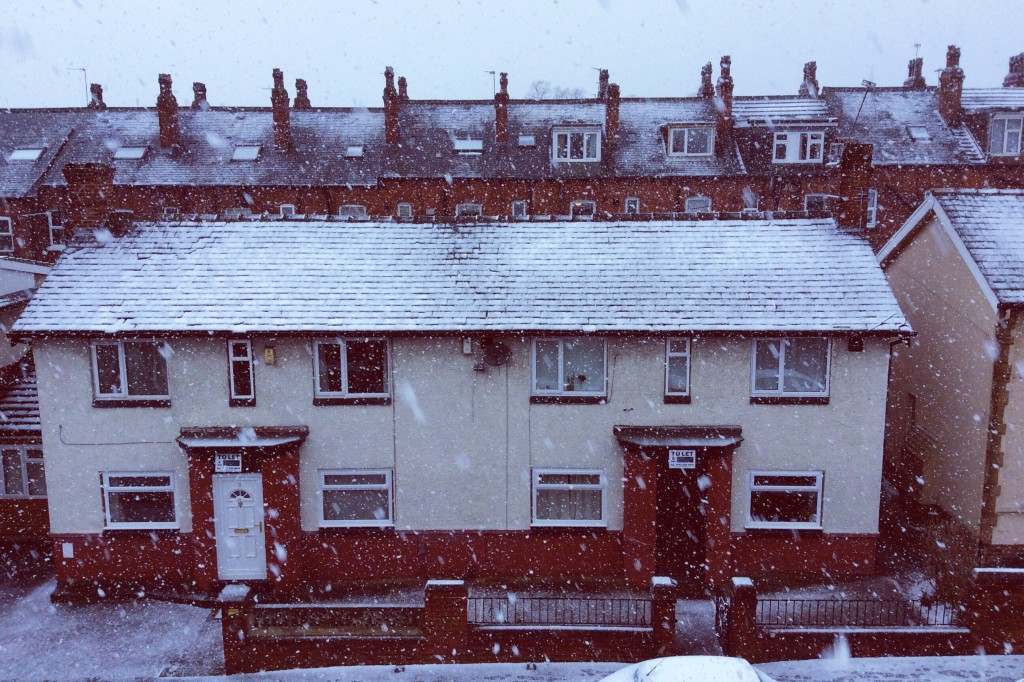
A mere day after landing back in England from Copenhagen and Stockholm, I found myself back on a train with Izzy to Leeds for a marketing exam. A few days later, I’m now back in Leeds permanently once again!
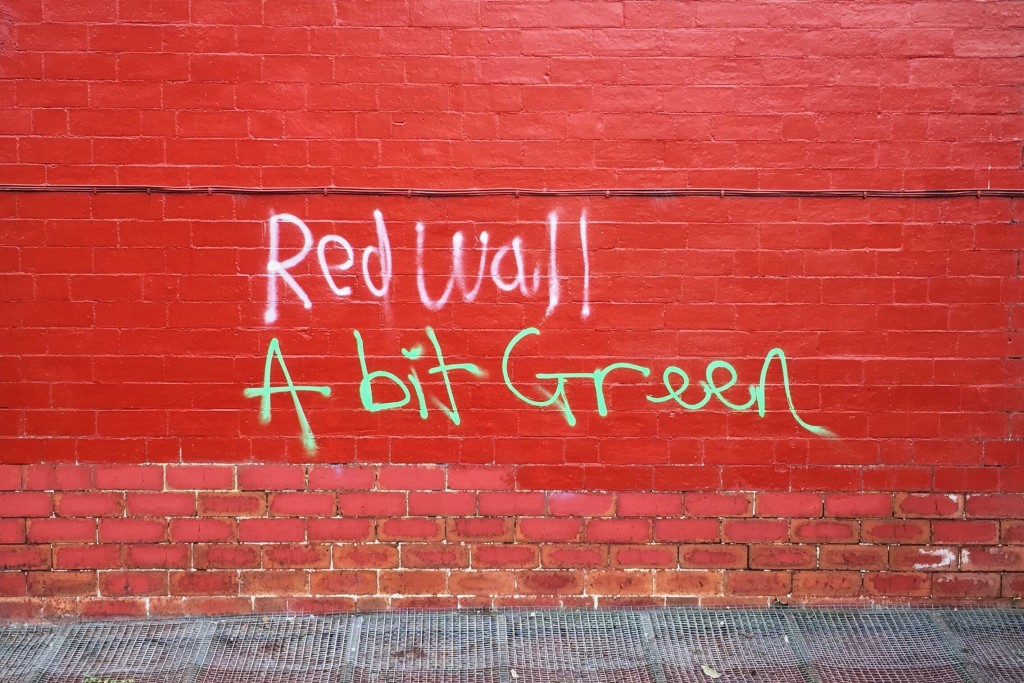
Once again, as with the beginning of last semester, I was amused by the decorations which adorn Hyde Park. This ironic piece of graffiti, which I found a few blocks from my house, made me laugh.
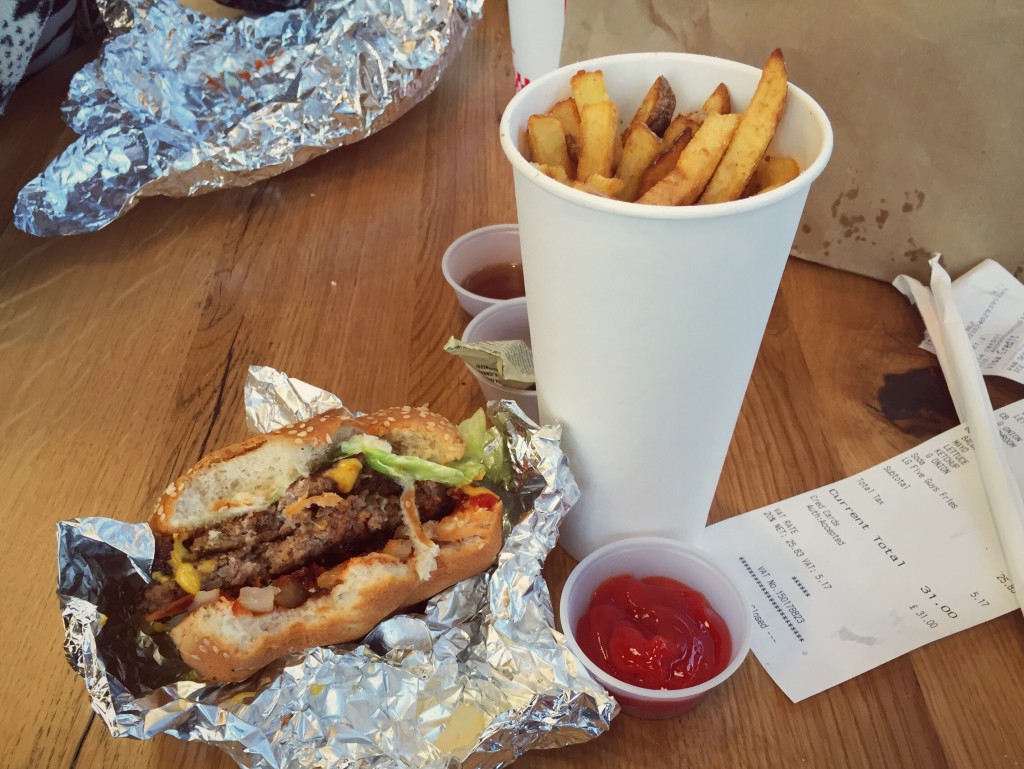
When my dad kindly drove me over with a car full of my stuff, we picked up Luisa from our house and decided to grab some food from Five Guys after a quick shop around Aldi. Having seen many Five Guys outlets dotted around America during my trip to Florida, I had’t thought much of them, with their pretty bland red and white colour scheme and industrial.
But the food we had their was delicious! Luisa got a hamburger, my dad a cheeseburger, and I went very over-the-top in true American style and ordered a bacon cheeseburger. What we didn’t realise was that every burger they sell is a double!
With unlimited peanuts, a huge cup of chips fried in peanut oil and a soft drinks machine which dispensed approximately a million different drinks, we were well fed! Also, as the reviews adorning the walls of the eatery testified, it was all delicious.
But as of today we are all back to the grindstone that is daily uni life. Bring on afternoons spent in the design school, curly fries in Old Bar and hours spent lost in the maze that is the Roger Stevens building.
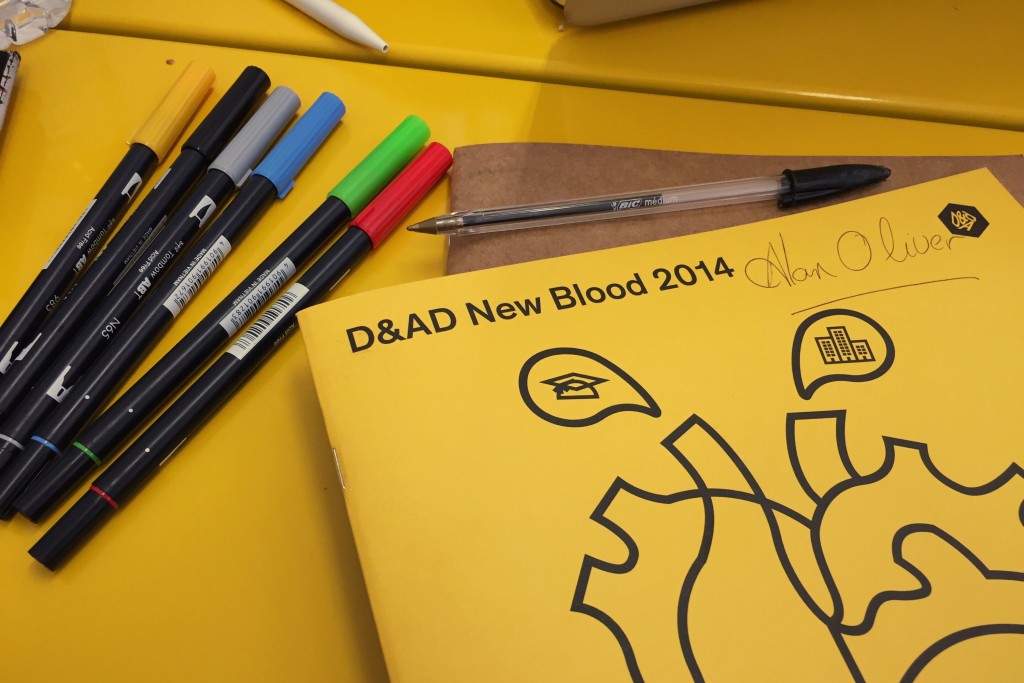
Today we all sat in the Design Common Room to begin some light work, and our programme leader came over and dropped us a copy of the D&AD Winners Annual from last year (2014). This semester we will all be completing D&AD briefs for our core graphic design module, and it was great to have a look over past successful entries.
Today I also began my elective module for this semester – ‘Principles of Typography’. For this module I will be researching, analysing and comparing examples of typography, and I will be keeping my blog updated with my findings and outcomes, which I will also collate on this page of my site.
For now it is time to do some work on my Behance, read over my chosen D&AD brief (all to be revealed soon), and get an early night in ready for the first workshop of the year tomorrow. Ah – it’s good to be back!
So after our four days of adventuring around Copenhagen (read my blog post on that half of our trip here), me and Izzy hopped aboard a plane to Stockholm! We arrived, jumped on a coach to the city centre and then made ourselves comfortable in our new home for three nights, the cool little City Backpackers Hostel.
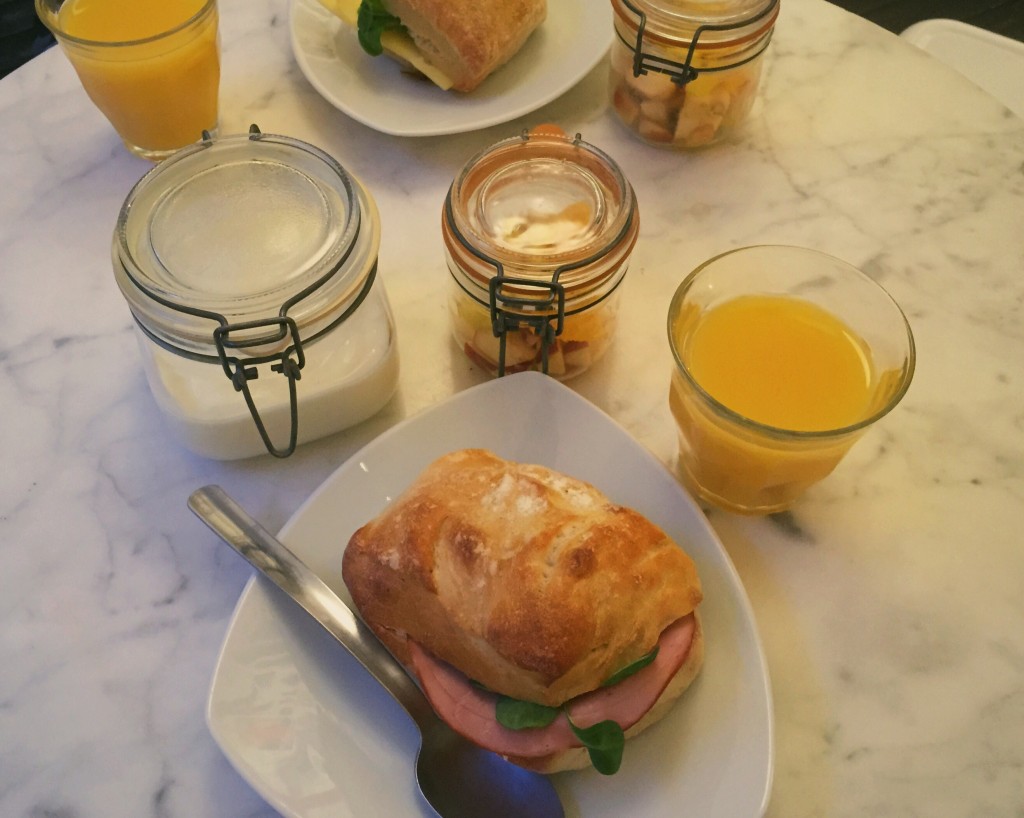
Arriving late in the evening, we opted to leave the majority of the exploring for the next morning, which began with another lovely Scandinavian breakfast of muesli, yoghurt, fruit and a delicious sandwich.
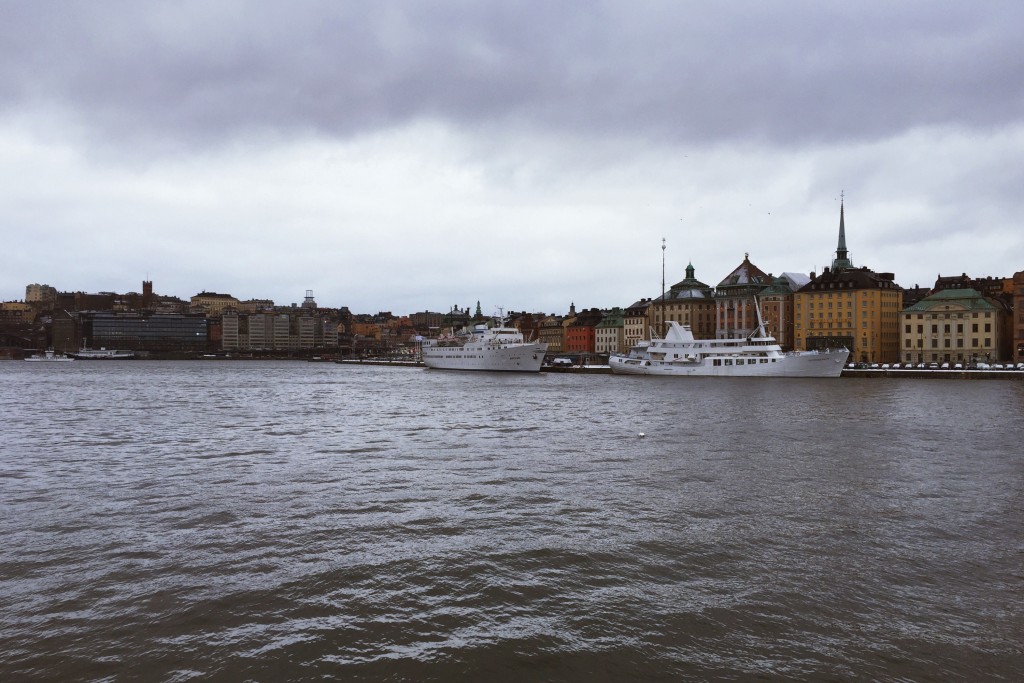
We then promptly headed out to see what we could see across the many islands of Sweden’s sprawling capital. We headed over to an area of the city called Södermalm, a quirky island to the south full of bars, little independent shops and places to eat. We took a tour of the island, learning of it’s history, and befriended a fellow traveller from Holland named Arjan, who had taken a train to the city from another city in Sweden where he was studying for a semester.
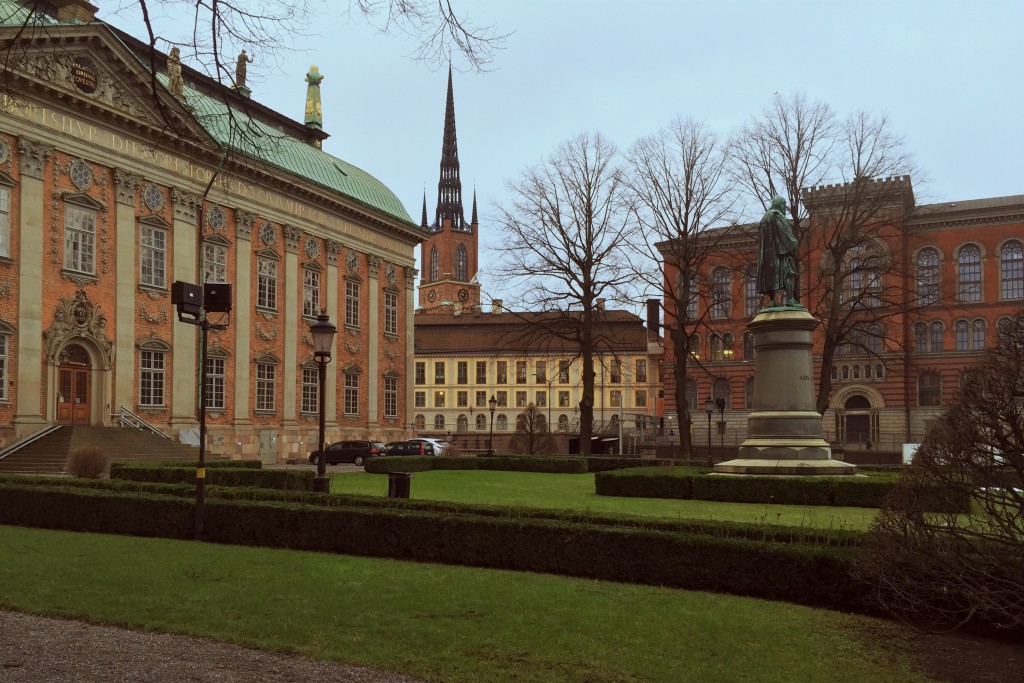
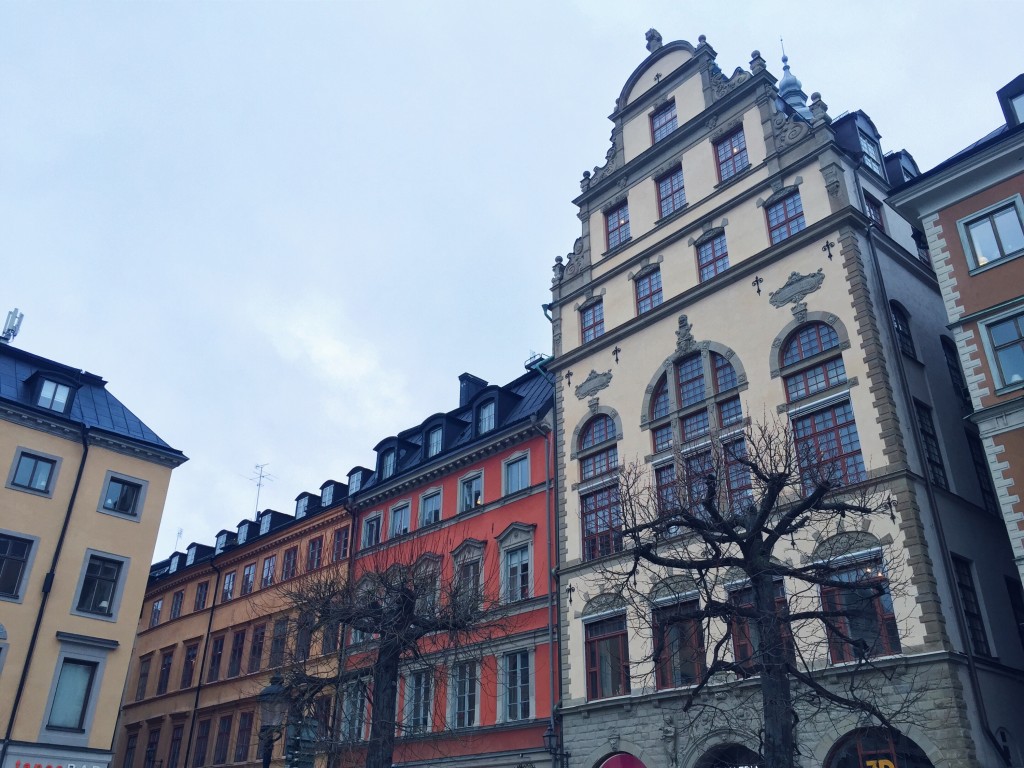
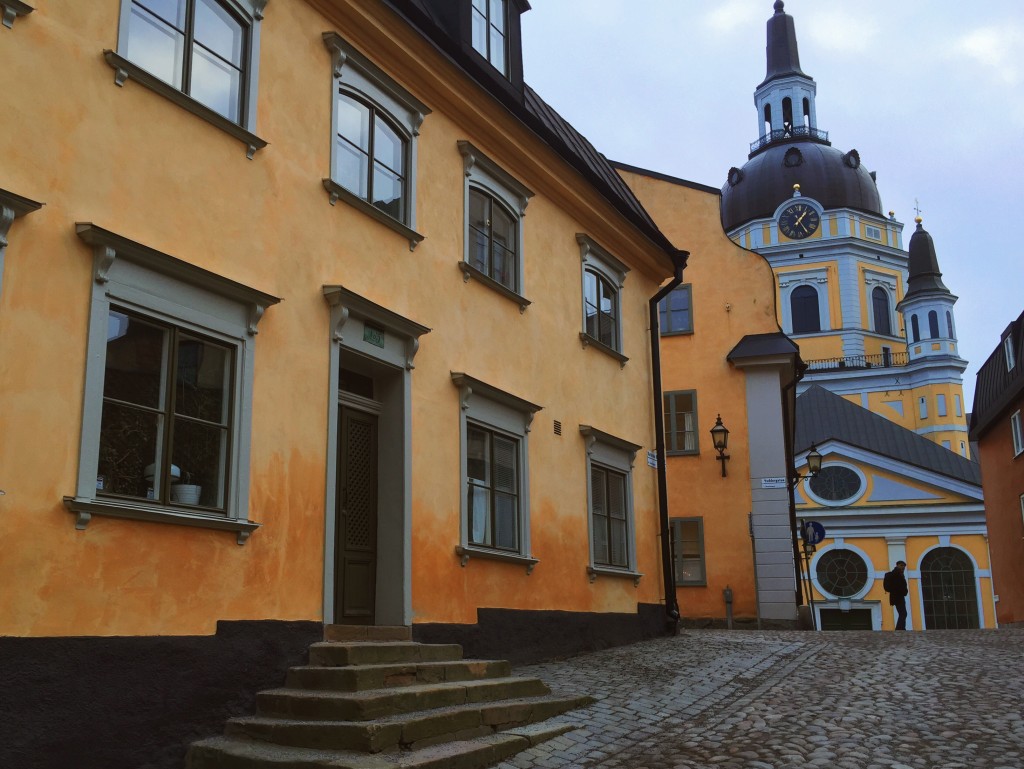
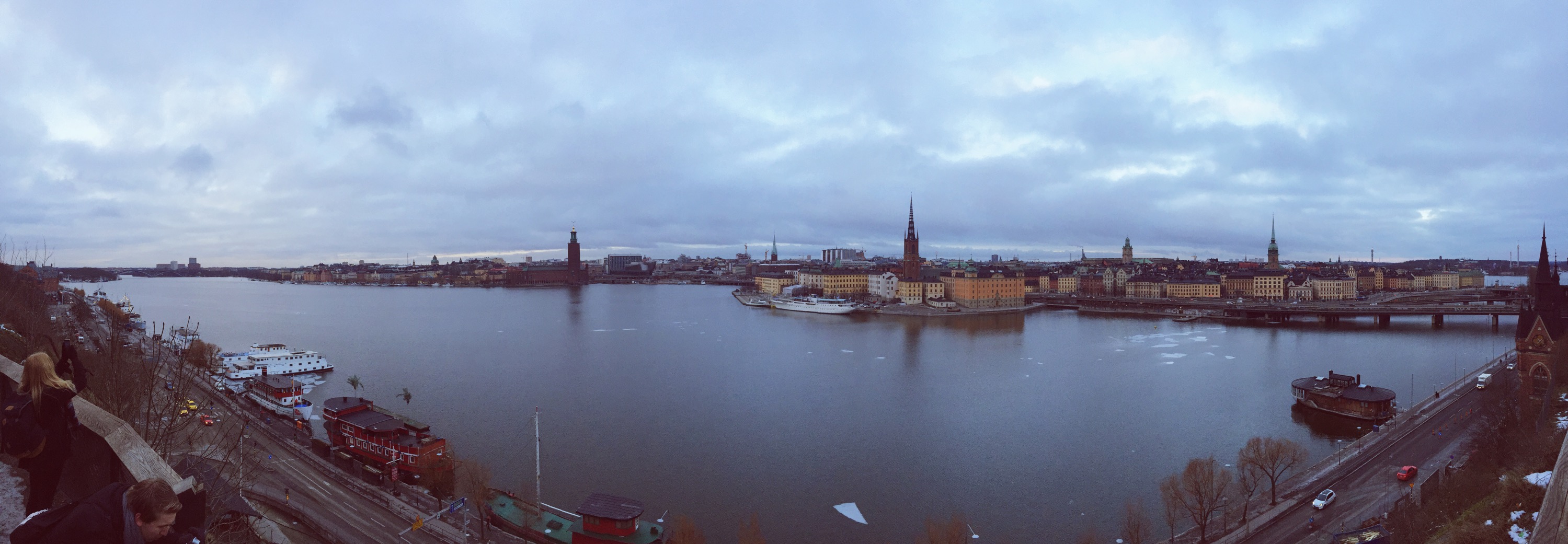
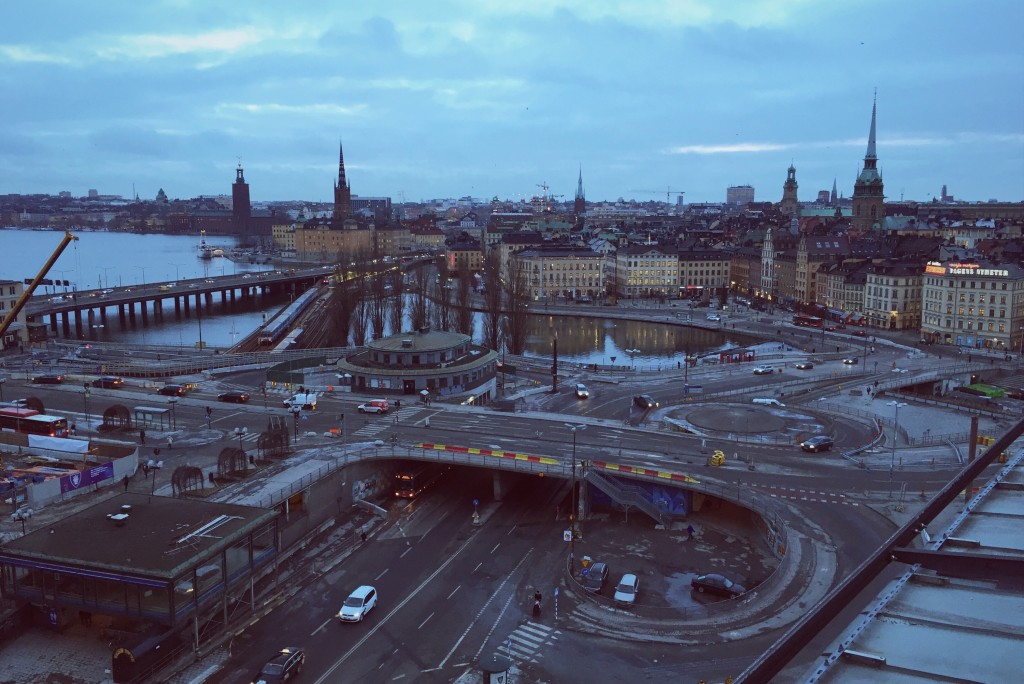
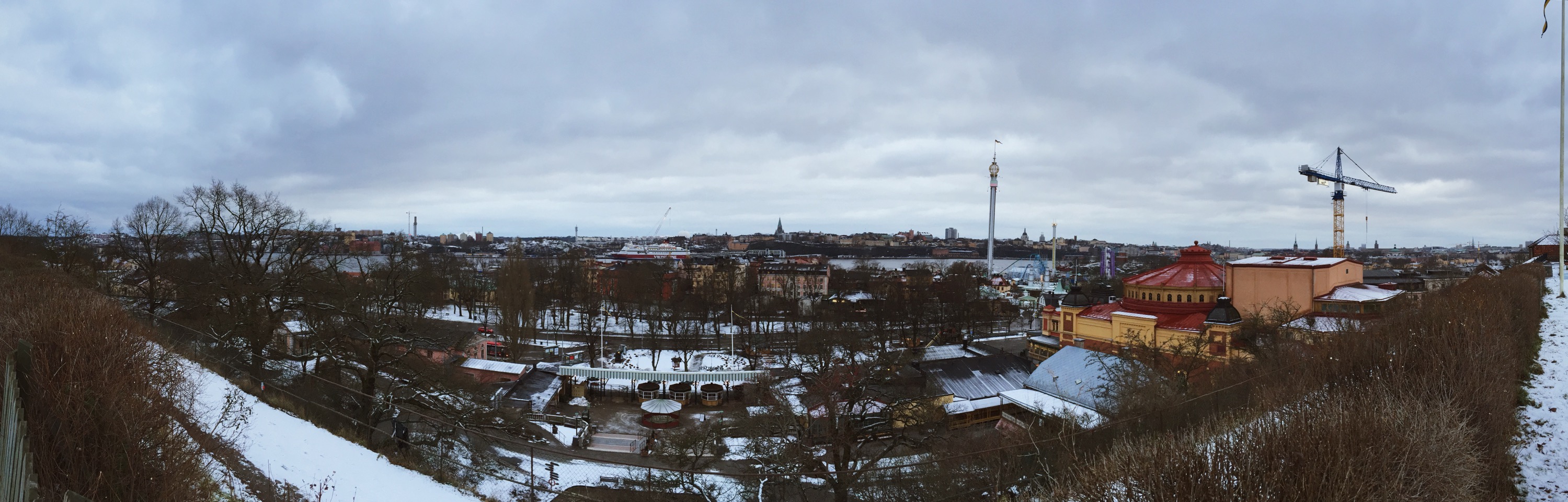
Södermalm proved a very hilly, quirky and interesting place, steeped in a lot of gory history and rebellion. Towards the end of the tour, our guide pointed out a couple of great spots to take some photos of the island and views back over the city centre, so here are some of those…
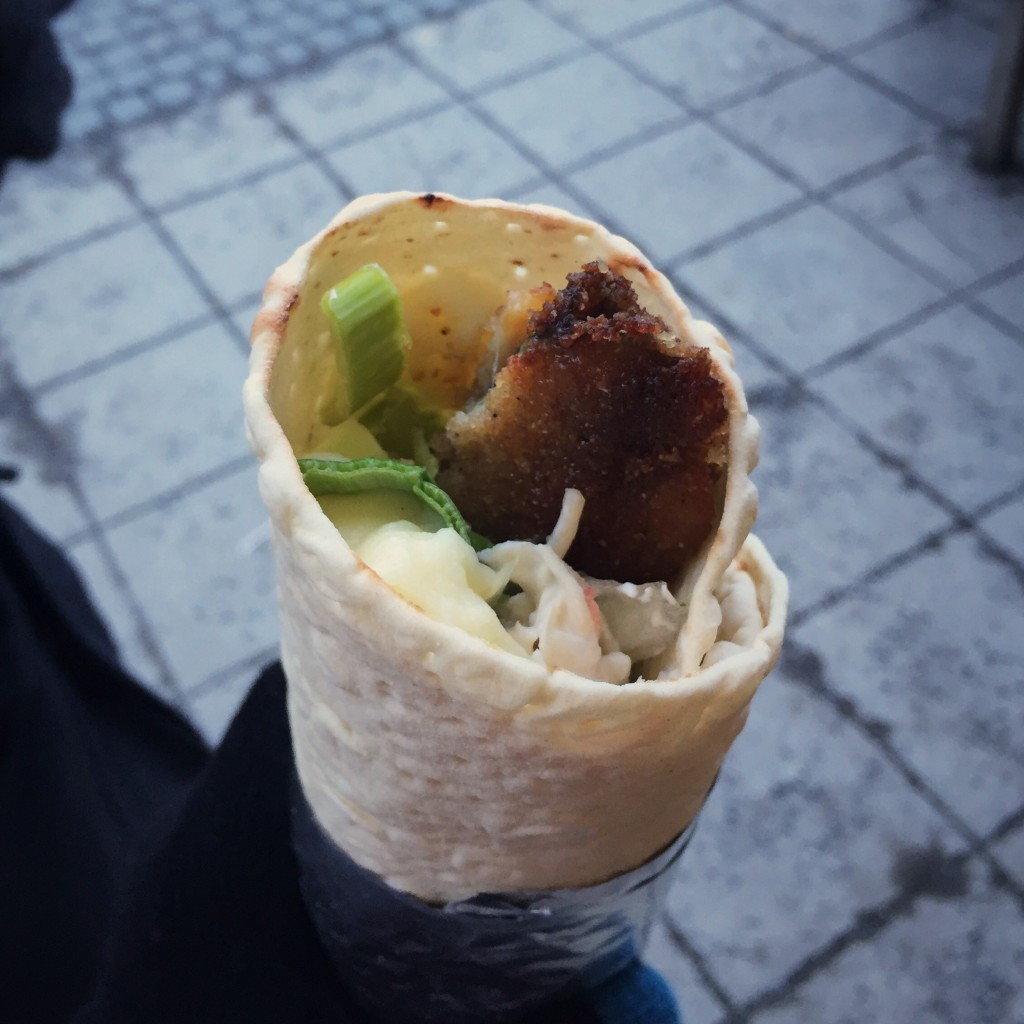
Our guide, Peter, had also suggested that we visit a food truck in the main square to try a wrap with fried herring, mashed potato and salad. Dubious, we wandered down and bought one – and it was delicious!
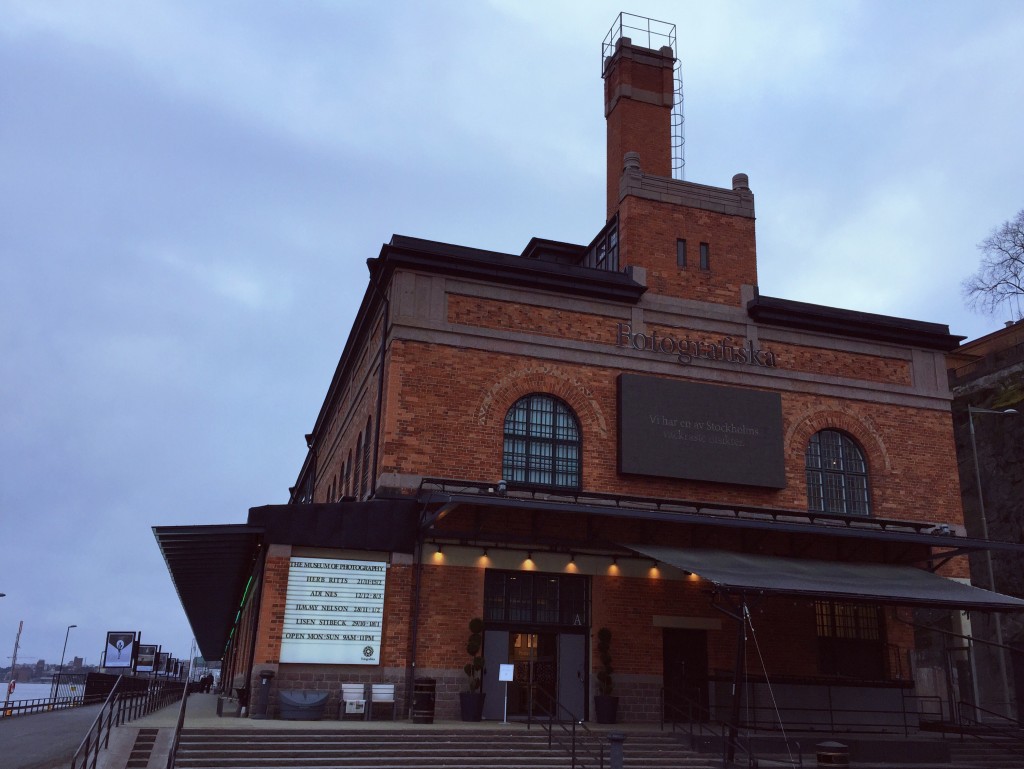
We also paid a visit to Fotografiska, a world-famous photography museum, which was showcasing beautiful exhibitions from Adi Nes, Jimmy Nelson and Herb Ritts. We spent a good time wandering round the exhibitions, which were beautifully considered, arranged and lit.
Ari Nes’ “Narratives” caught my attention in particular, as a homosexual Israeli he captured scenes which seem to encapsulate themes of political unrest, religion and homoeroticism whilst demonstrating strong influences from art history. These clashing influences made for an interesting collection, which seemed to complement the other two exhibits, both of which also focused on people.
Herb Ritts’ collection “In Full Light” seemed inspired by the human form whilst still striving to capture the essence of how the subject of the image would like to be remembered. The series of black and white images took up an entire floor of the museum and included celebrities such as Michael Jackson and famous works such as “Stephanie, Cindy, Christy, Tatjana, Naomi“.
Jimmy Nelson’s collection, entitled “Before They Pass Away” was a series which captured indigenous cultures, with the aim of preserving their essence before their cultures are lost. The rationale provided by the collection’s curator was particularly interesting, as it spurred the debate over whether the fact that Nelson had staged the photographs really captured a honest and true essence of the subjects and their cultures. Rather refreshingly, however, the curator had not tried to defend nor attack Nelson’s choice – only to open it up for discussion.
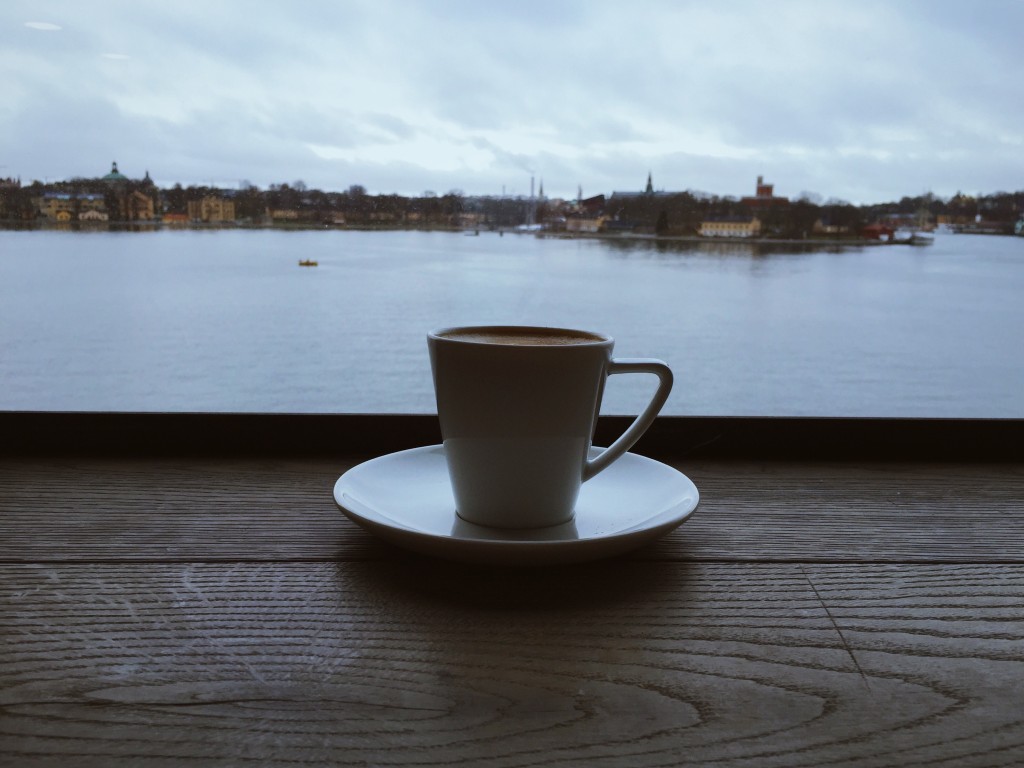
After browsing through the three exhibitions, me and Izzy headed up to the café on the top of the building for a Sewdish ‘fika’, meaning time out with coffee and a snack. The café had been said to be worth a visit purely for it’s views – and it was!
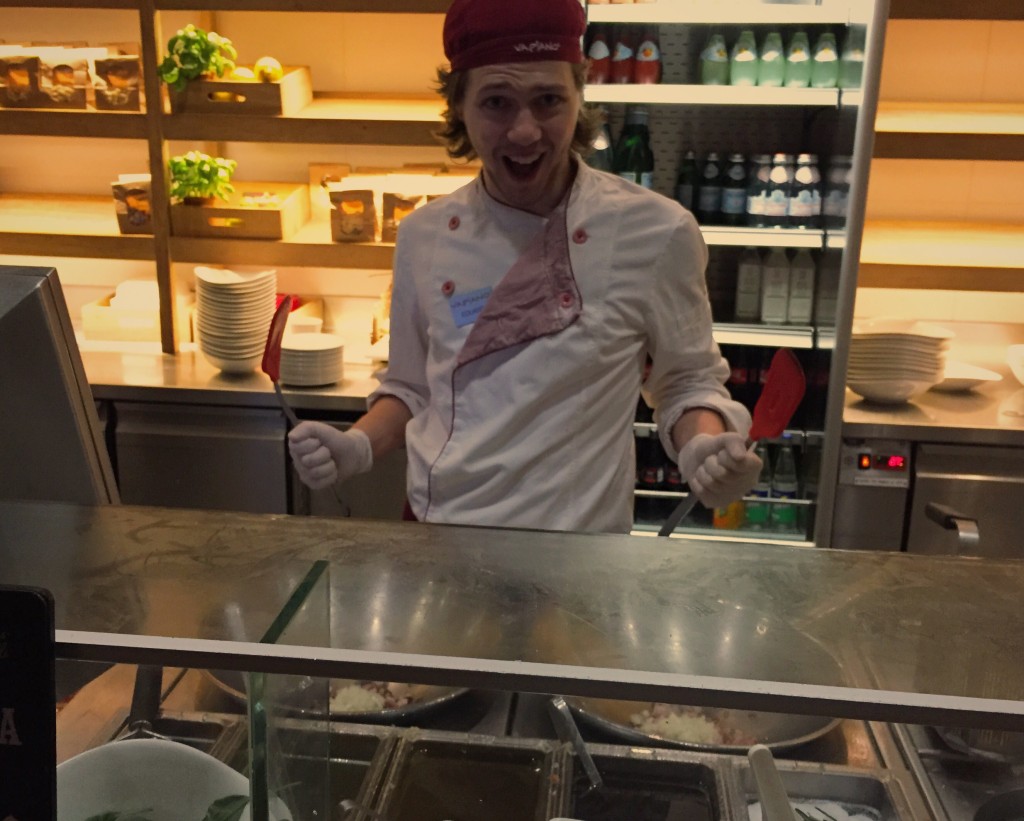
That night we headed back to Södermalm with Arjan to try out an Italian restaurant one of his friends had recommended, Vapiano. The restaurant works on an efficient and interesting concept, whereby you sit down, choose your dish and then take an electronic card to the counter. Your food is cooked there and then in front of you, and the dish is billed to your card, the balance of which you pay on exiting the restaurant.
I had a delicious carbonara cooked by this fine fellow!
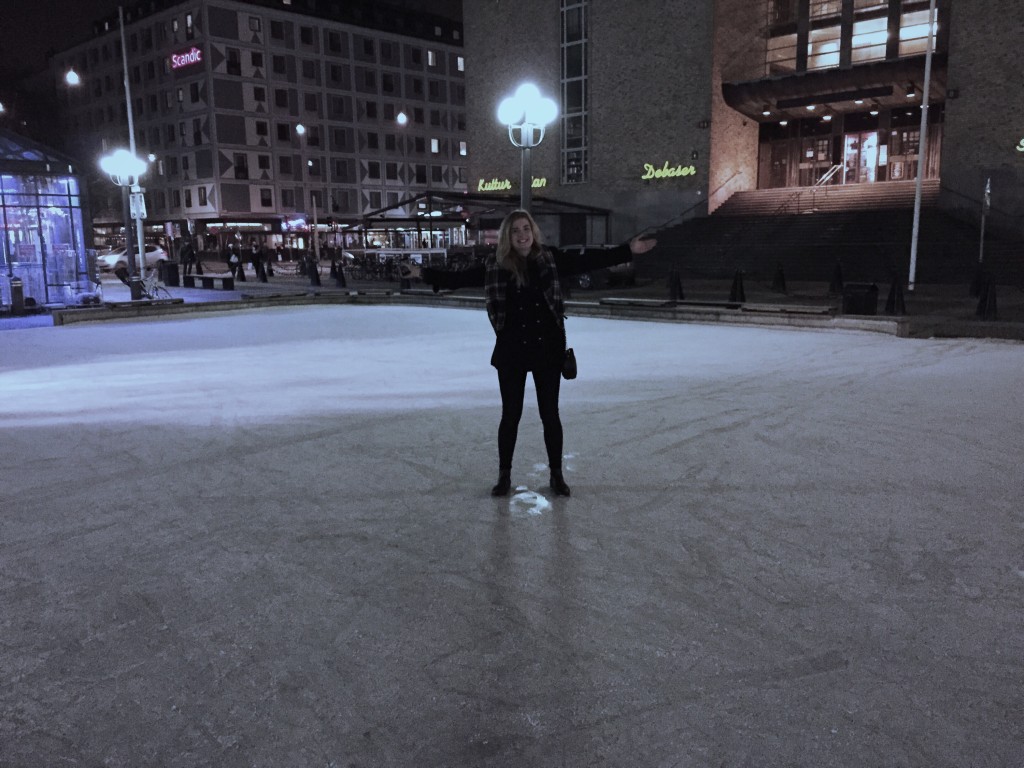
On the way back to the hostel we discovered the first of what would be many open and free outdoor ice skating rinks! We headed on in our shoes and slid around for a while, suddenly realising why the hostel had a case full of free ice skates which you could borrow.
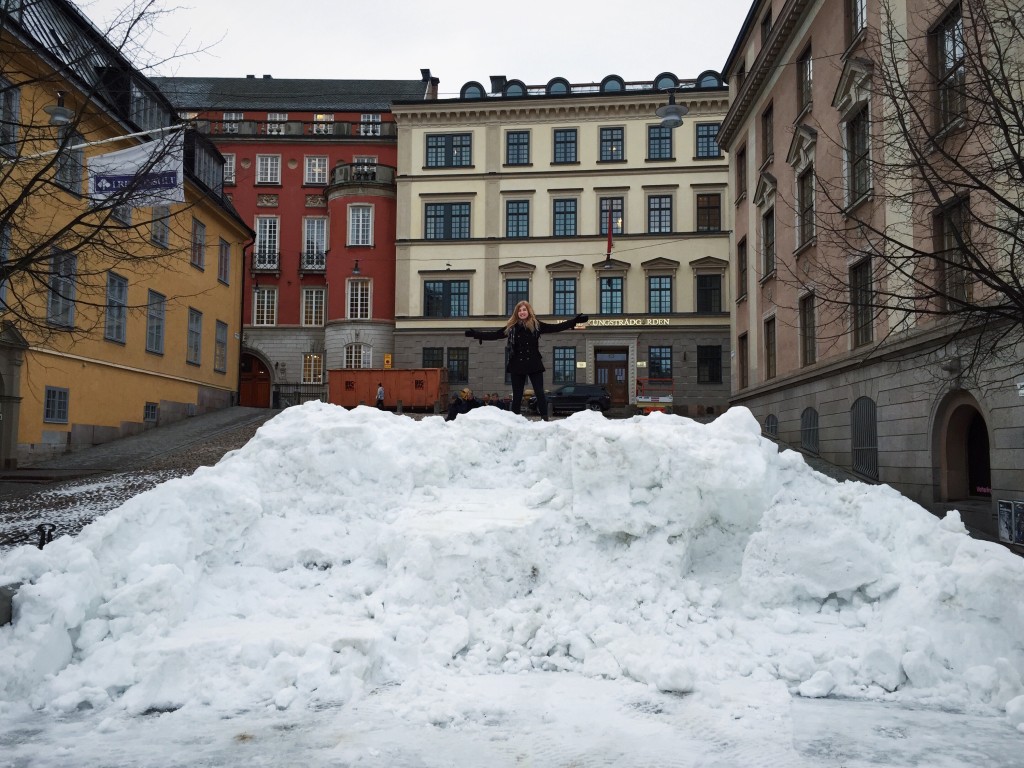
The next and final full day was spent on another tour, this time of the main city, during which we ran into people who we’d been on a tour with in Copenhagen! The tour was once again great, and having discovered much about the city and it’s history, we winded up atop a huge snow pile where an England vs. Holland snowball fight broke out…
From here we boarded a ferry for a sixty second ride over to another of Stockholm’s many islands, to visit the large outdoor museum named Skansen. As Sweden’s first and largest outdoor museum, the museum’s creator had deconstructed various buildings from across Sweden and throughout history and re-erected them in Skansen, forming a vortex of time and space.
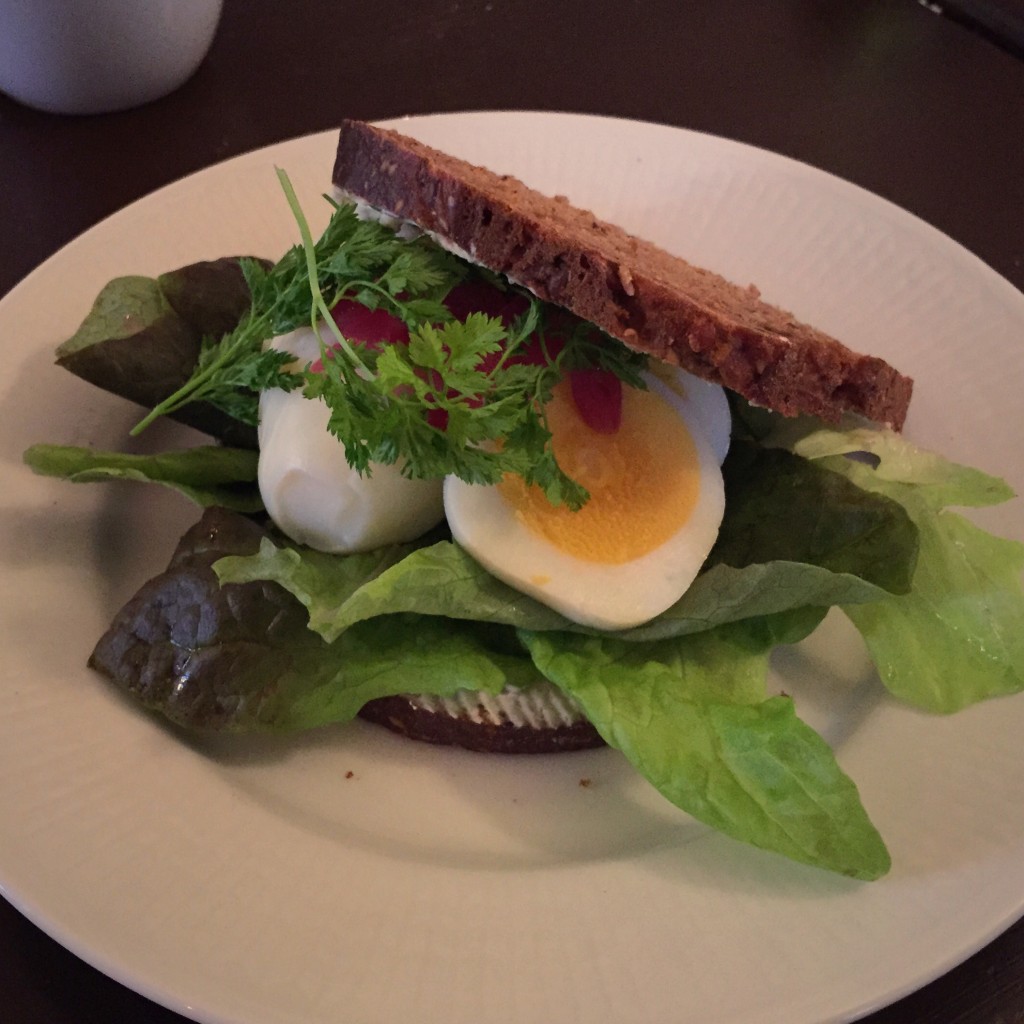
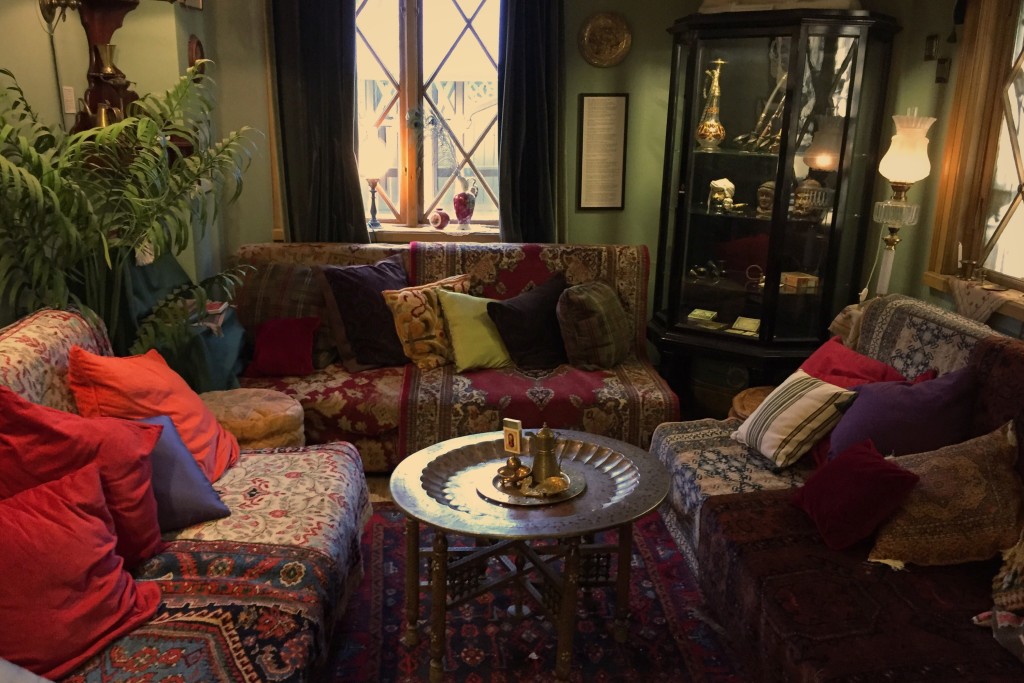
Upon our arrival we were tired, cold and hungry, and so we stopped for a delicious egg sandwich in a restaurant which housed a reconstructed room called the Ottoman Room. We then headed out into the vast expanse of the park, and not everything was as it seemed…
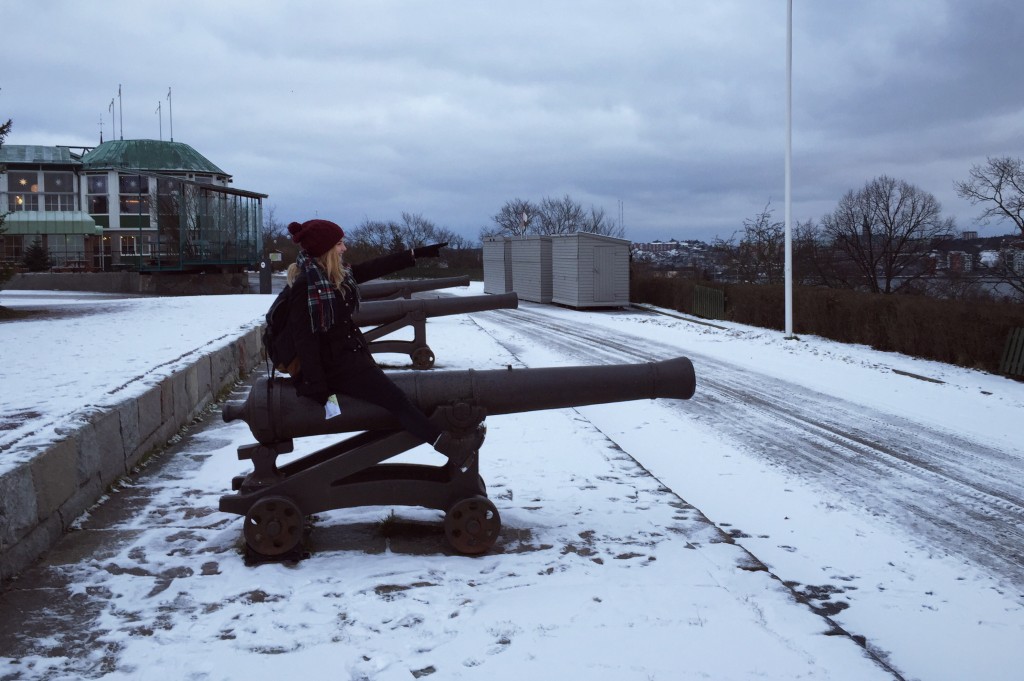
As we wandered through the snow, it soon became apparent that there were hardly any other human souls in the park, and that the reduced entry fee was due to most exhibits being either closed or, in the case of the rose garden, dead. It was crazily surreal to walk through what felt like an abandoned theme park, but we found some interesting exhibits such as monkeys (which we watched being fed), some huge blocks of ice, and an array of cannons. Izzy in particular appreciated the cannons.
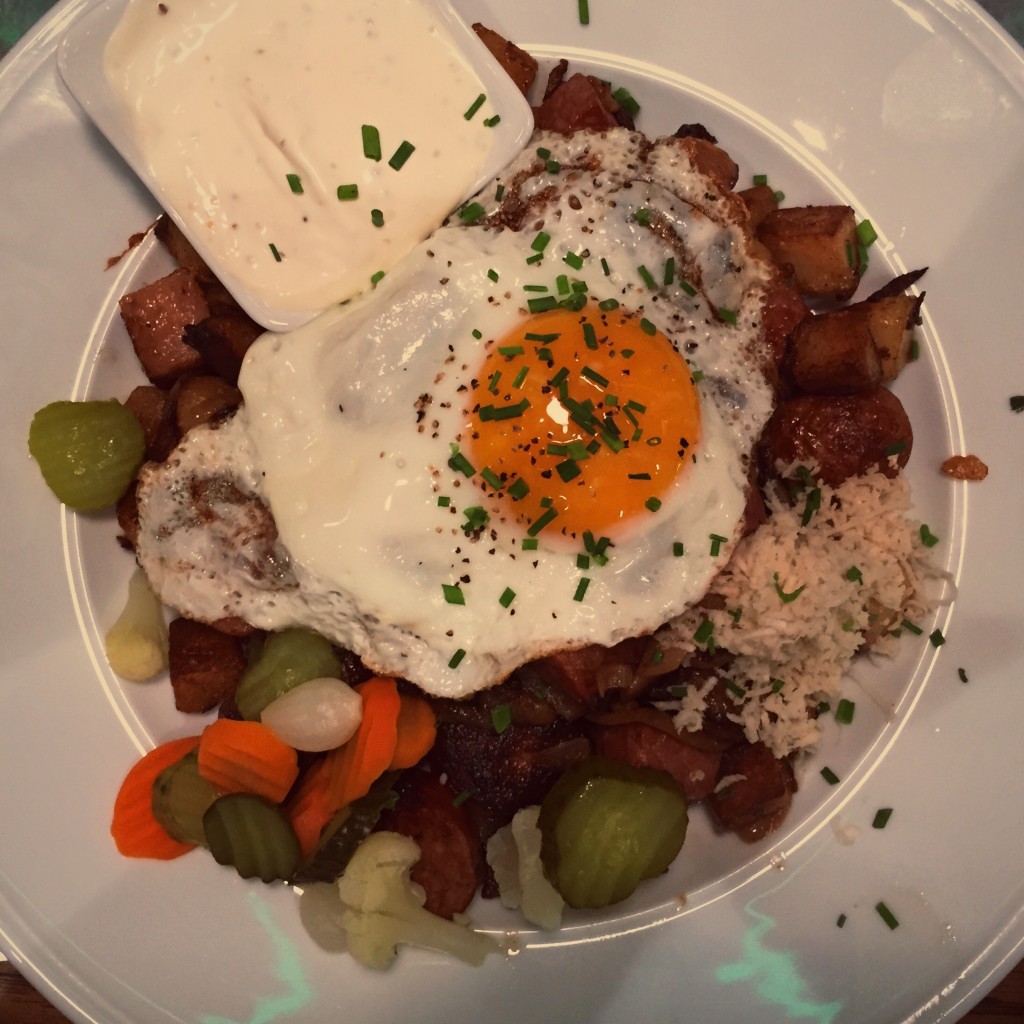
That evening we headed down to try some traditional Swedish food, after a heartbreaking revelation by our tour guide that meatballs are in fact considered a children’s food there. We were advised instead to try a potato and meat hash from a local restaurant, which we did.
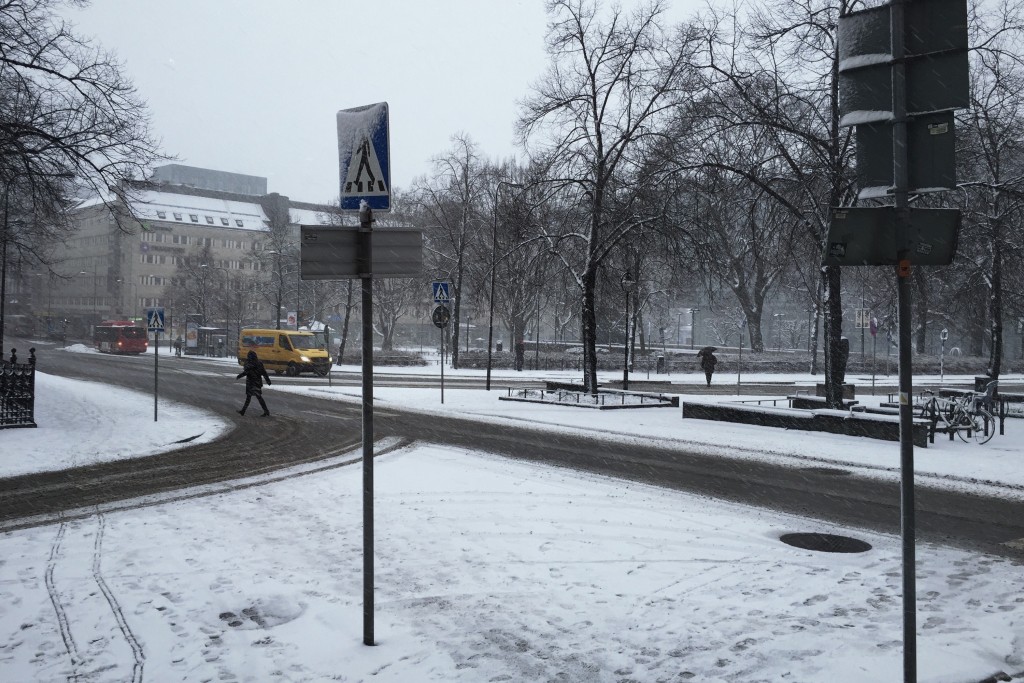
The dish was delicious, and it was lovely to end with another true taste of Sweden. However, in our final morning, things got decidedly even more Swedish when we woke up to see a thick blanked of snow had enveloped the city!
Worth a mention also was a strange venue which we opted to visit to kill a few hours before our coach in the morning, which was the Kulturhuset in the city centre. This multi-use cultural venue housed a theatre, exhibition space, a library and many cafés, one in which me and Izzy opted to stop for another fika to use up our remaining Swedish kroner.
But all good things must come to an end; and so, after browsing the design section of an open library in Kulturhuset, we headed back to pick up our bags and head off through the snow to catch our airport transfer coach.
To summarise, Stockholm was another gorgeous city, albeit slightly more modern and industrial than Copenhagen. Once again, I would definitely recommend a visit if any of you guys get the chance. Just be sure to fully explore all the islands, and try out their coffee, pastries and anything with lingonberries in it. Delicious.
Don’t forget to check out my blog post on Copenhagen, as part of me and Izzy’s Scandinavia trip, and also my overview of the Danish Design Museum which we took a trip to whilst we were there.
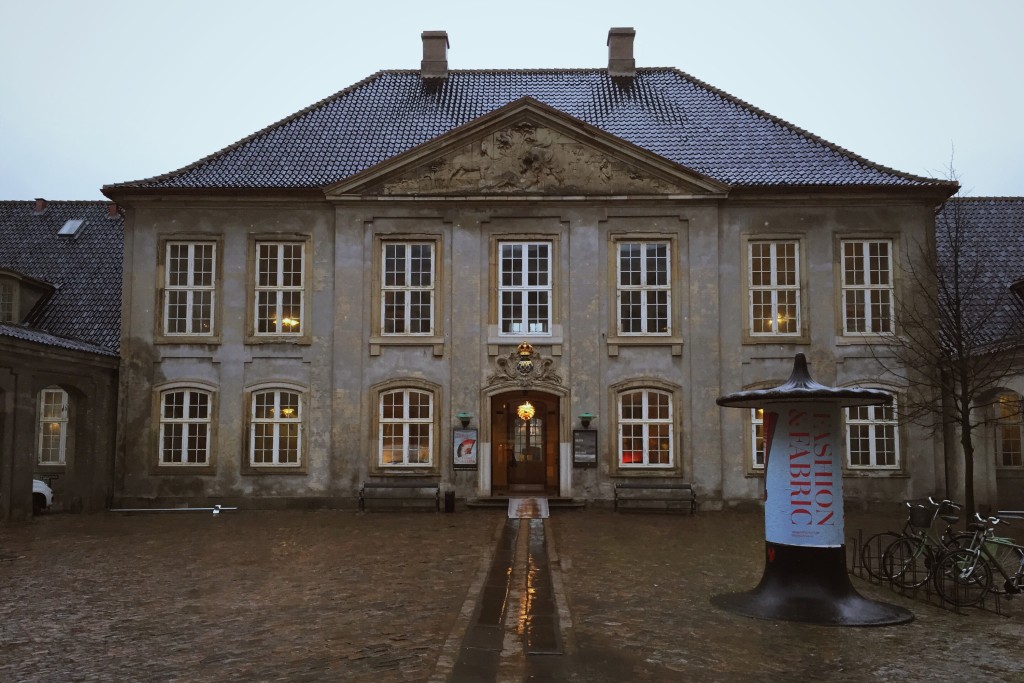
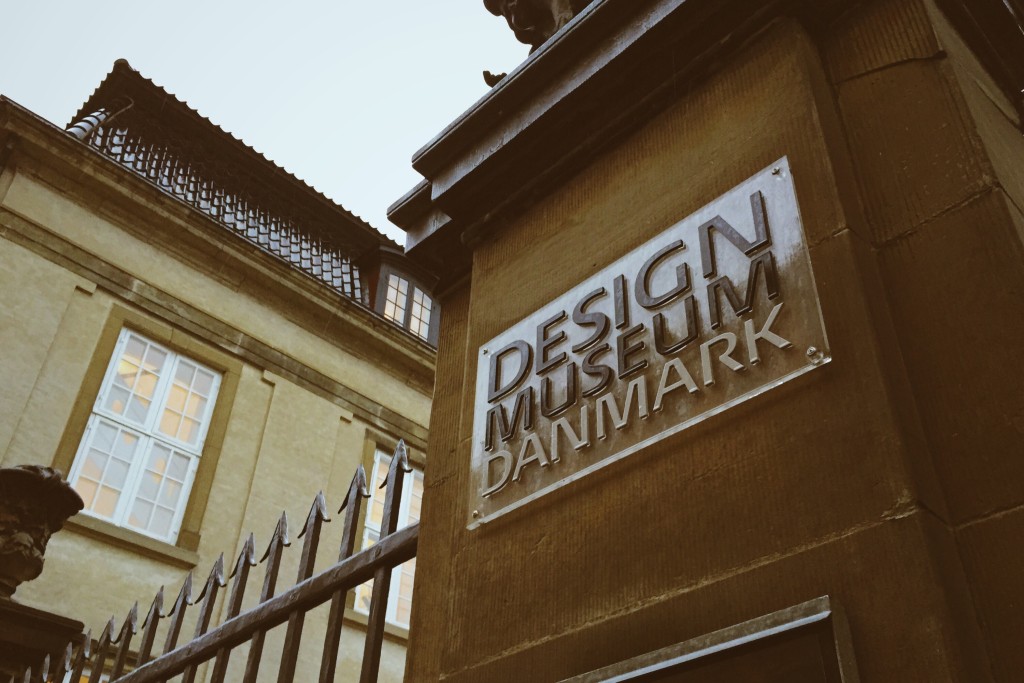
As part of me and Izzy’s trip to Copenhagen we stopped by the Danish Design Museum for a tour through some of history’s greatest Scandinavian design.
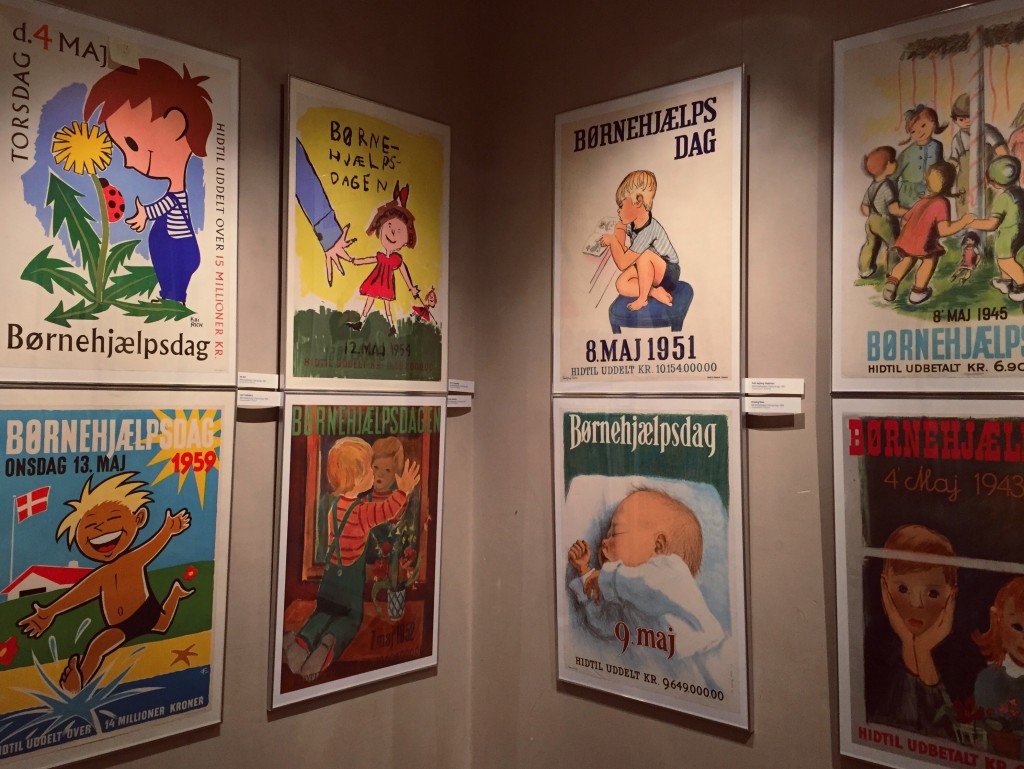
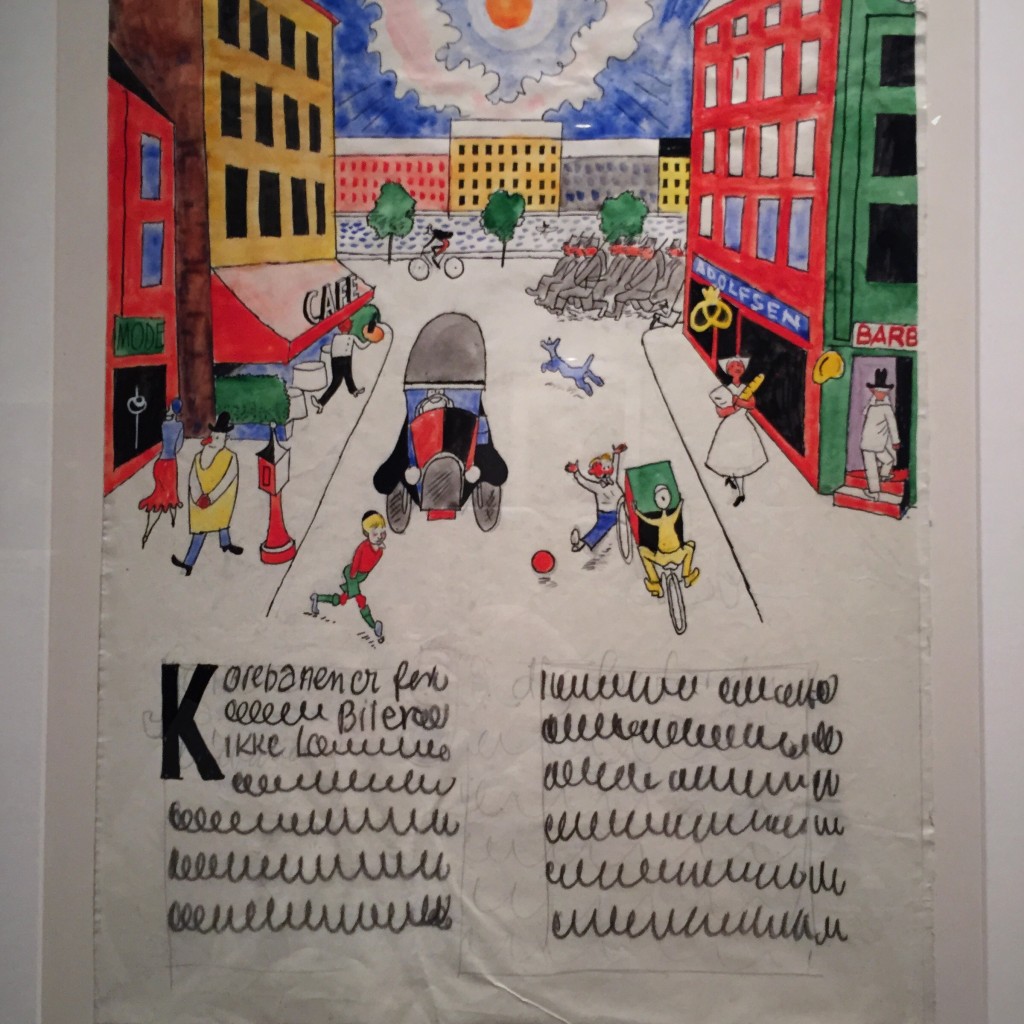
The museum began by showcasing the visual history of children’s books (all in Danish of course) which pleased my graphic designer sensibilities.
Issues of Børnehjælpsdag line the walls
The installation focused on a publication called “Børnehjælpsdag”, and was intriguing in that it showcased various techniques through different styles. From traditional pencil illustrations to blocky nearly-constructivist screen printed compositions, it made me wonder – had the change in Danish style necessitated the change in technique, or was the inverse true? Did emerging and increasingly cheap and more common techniques push designers to adopt these new modernist styles?
Watercolour page design
In a city surrounded by an abundance of great design, I was apprehensive as to whether a design museum was necessary – in this beautiful city one only has to look around to see countless examples of architecture and design in all its forms dating from the 18th century right up to the modern day.
However the museum proved to be well worthy the wander down, as it was free to enter for students (under 26) and hosted a wealth of design history: covering fields from industrial to fashion to graphic design.
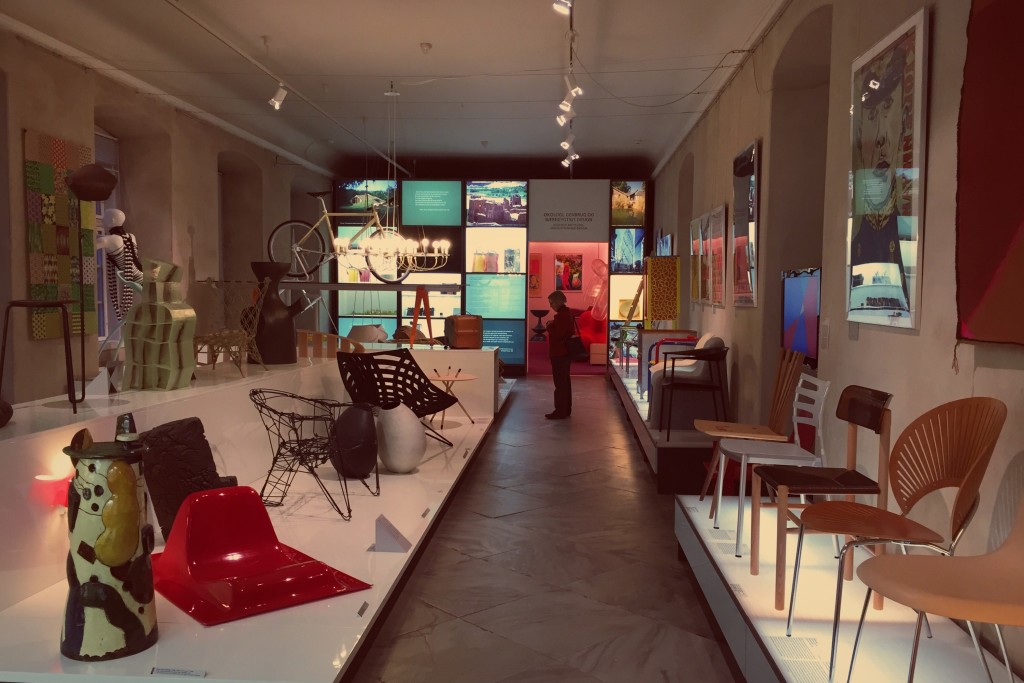
Chairs, chairs, chairs
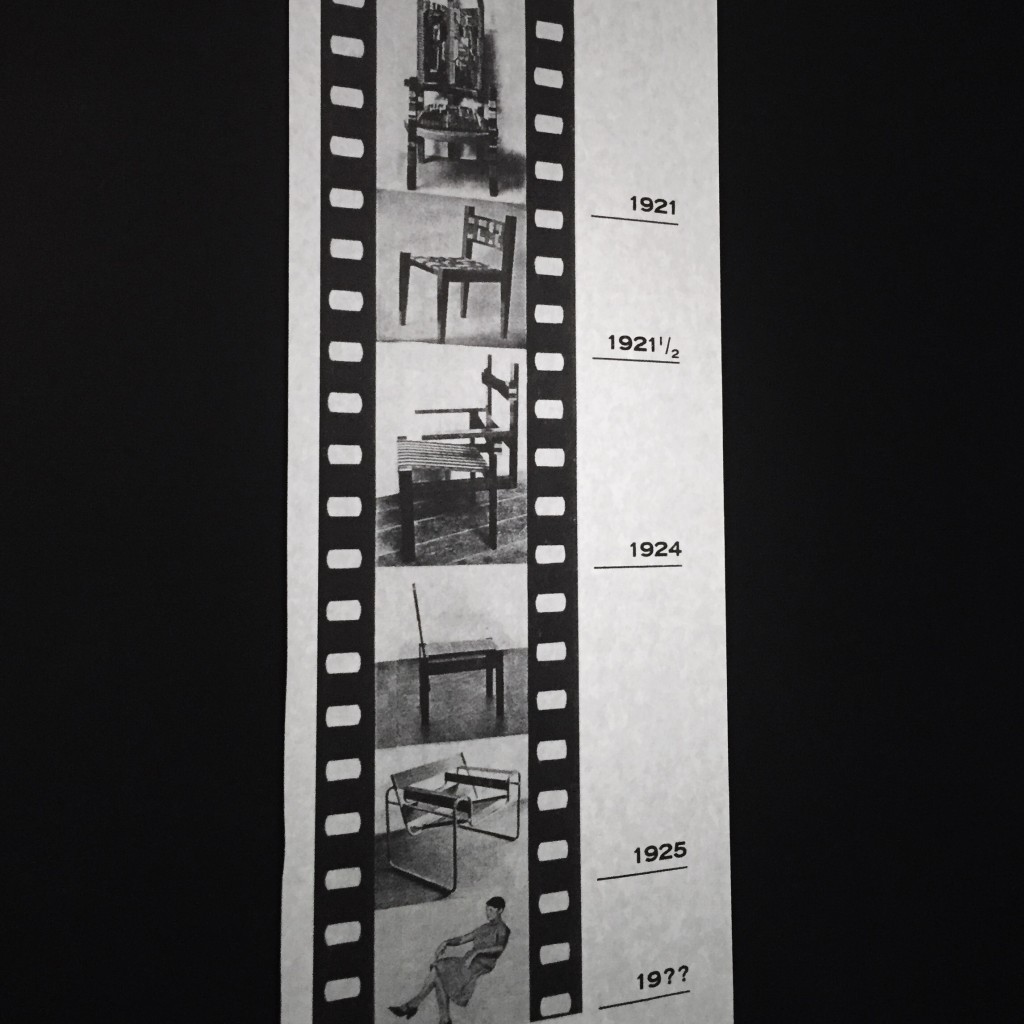
The most prominent and recurring installation was, of course, the designer’s favourite: the chair. Chairs from all periods of history were on display throughout the museum, including a Danish favourite: the egg chair. This old timeline suggesting the future development of the chair made me chuckle – cynicism of minimalism at its best.
First Bauhaus, what craziness comes next?!
I am reminded here to defend the minimalist attitude, with a quote from one of my personal design heroes, Dieter Rams: “Good design is as little design as possible.”
Some beautiful type composition
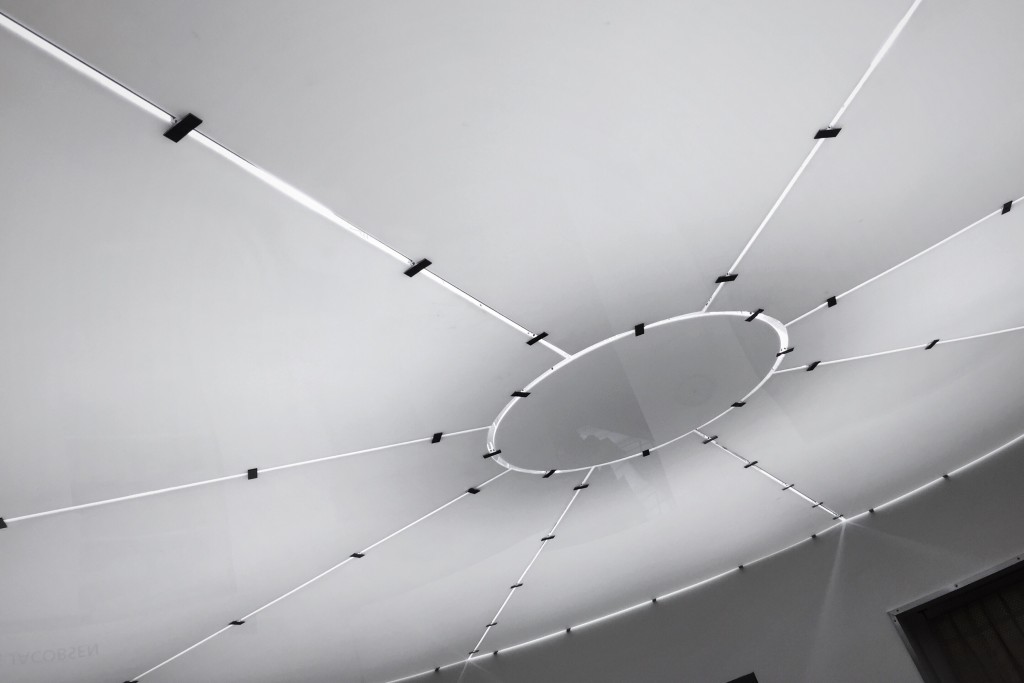
The museum was split into themed sections, dealing with either fields of design, specific designers or design eras/styles. One section which caught my imagination was this futuristic house and design philosophy by Arne Jacobsen, the former of which consisted of a circular construction with an abundance of pure white, described by the museum curators as a “utopia of movement and lightness.”
“The House Of The Future” by Arne Jacobsen and Flemming Larsen
A section which also caught my interest was one which transported me straight back to Leeds – the textiles and fashion design section. With the University of Leeds’ International Textile Archive right on campus, I have already been exposed to and taken interest in the patterns and shapes used in textile design through the ages and across cultures. It was very interesting to be able to see such beautifully intricate designs, some of which were even woven with silver and gold threads.
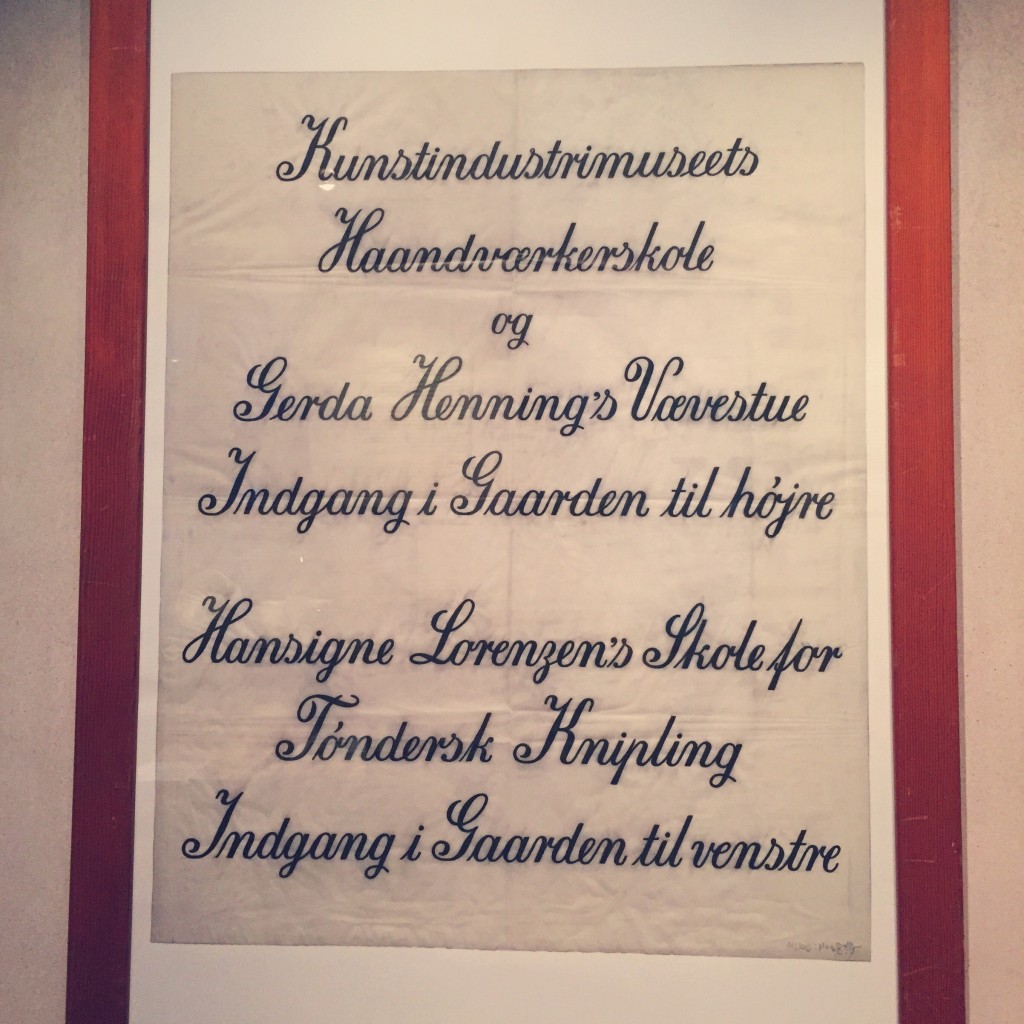
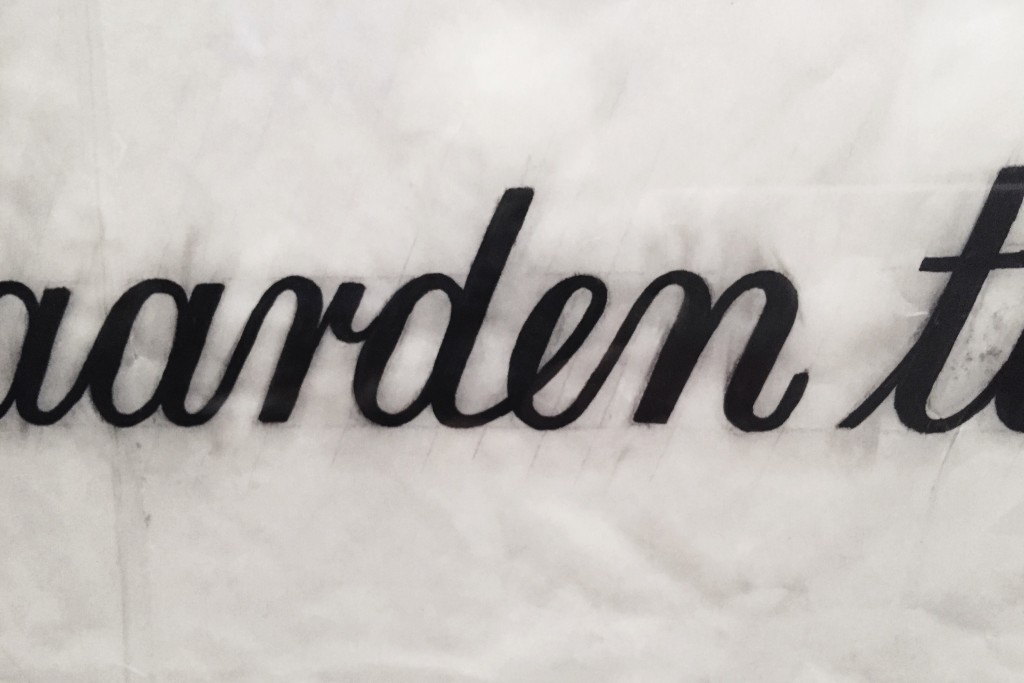
A beautiful calligraphy-style posterThe underlying pencil grid still just about visible
Something which I noticed as we wandered through the industrial/furniture design section towards the end of the museum was the intricacy of the work and the overlapping of layers for both structural and ease-of-working purposes. As mentioned above, the grids behind seemingly freehand script type were visible upon closer inspection, reinstalling an appreciation for this precise craft.
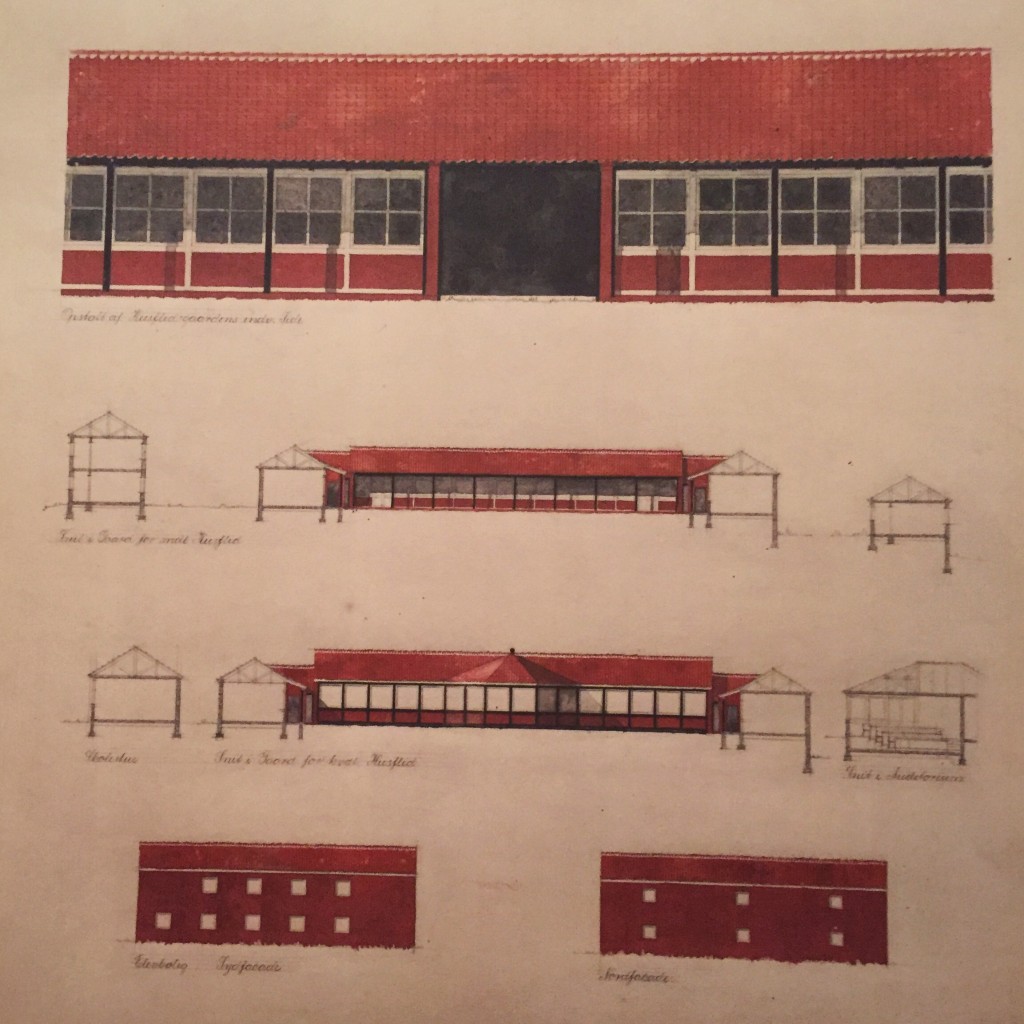
An architect’s plans
Seeing the many perspective views of a structure or product around each other made me appreciate that there was a time where photocopying wasn’t viable, and the fineness of the details in these plans was awe inspiring.
The museum concluded with the oldest trick in the tourist-trap book – a gift shop. Excuse my scepticism there, it was actually a really great shop full of some beautiful Danish designs. Being as skint as we were though, me and Izzy opted to sit down and drink our bottled water instead. The life, eh?
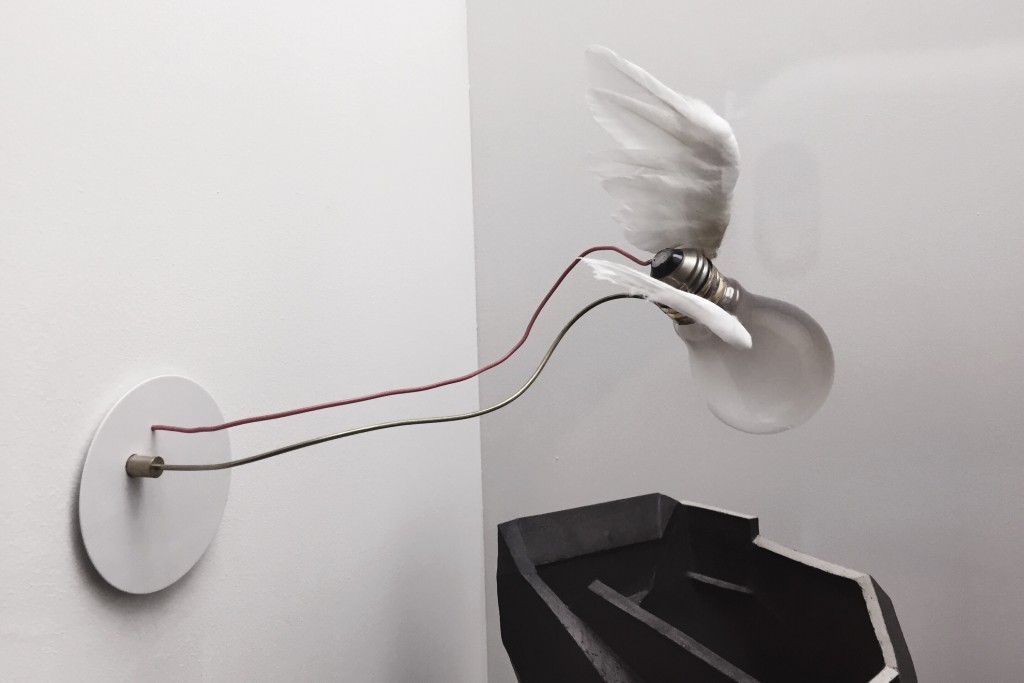
A funky (but seemingly unsafe) lamp
To conclude the Design Museum was more than just a few examples of graphic design, it provided a fascinating look back on the history of all areas and facets of design as a practice. I thoroughly enjoyed spending a good couple of hours browsing through the collections, and would suggest that any design-minded people passing through Copenhagen make sure to give it a visit.
Having landed at Copenhagen Kastrup airport mid-afternoon, Izzy and I made quick progress in finding the way out towards the metro, and with our 36 kroner tickets in hand we were soon flying through subterranean Denmark en route to our hostel.
After a breeze of a check in and dropping off our bags, we headed out for a spot of exploration and to find something for dinner. Little did we know we’d find our way straight to Nyhavn, the infamous old dock with colourful buildings adorning it’s length, all steeped in history and rather beautiful.
From there we managed to get totally lost looking for the recommended eating area, and ended up stopping by for a burger at an American themed eatery. It was lovely, and gave us the chance to get used to the strange currency and realise that everyone we met spoke perfect English. We made it back to the hostel before too late and got an early night in.
We woke up pretty early and enjoyed the delights of Generator Copenhagen’s buffet breakfast, with a plan to meet a tour guide in reception at 10am to head off on a free walking tour around the city. We hoped to get a feel for the history of the beautiful city and also orientate ourselves a bit better!
Wandering out with Magnus, a tour guide for Free Walking Tours Copenhagen, we were soon on our way through the city. First thing’s first – it was cold. Very cold.
We visited some beautiful places on the tour, including the Royal Palaces, the courts, the Town Hall and many more. One of my personal favourites was the final stop of the tour at the Marble Church, a breathtaking round building constructed entirely from marble…
The tour was brilliant and Magnus did an amazing job of immersing us all in Danish history and teaching us all about the culture. He made a very beguiling case as for why we should either live or study there, and with such a safe and pretty city with such nice people I see no reason why I shouldn’t seriously consider it!
Anyway, excuse my gushing, I’ll continue. That night me and Izzy decided to join Magnus and another tour guide, Luis, on a pub crawl, both to sample the city by night and to meet and socialise with other travellers who we’d met on the tour. It was a lovely evening, with free popcorn all round, and we met people from Canada, London, Bristol, Australia, Germany and more! We even got talking to some of the Danish Royal Guard!
The next day we were up early once again, headed out to visit a rather niche store, the Playtype concept store. Playtype are a Copenhagen based type foundry, and their concept store stocks various products and prints bearing typefaces they have crafted. We passed by Tivoli on the way, a compact amusement park in the heart of the city which was sadly closed for the winter season. Magnus had mentioned that this is where Disney apparently got his inspiration to begin designing Disneyworld.
Anyway – back to Platype. As over-excited graphic designers, we arrived half an hour before the shop opened, so we opted to stop next door for some tea and coffee.
After this we could finally step inside, and an array of beautiful gifts and keepsakes greeted us.
I winded up eyeing up the above set of prints, picking out the “O” one with such gusto and admiration that the lovely lady running the shop said I could have it free of charge. We then conversed with her for a while and racked up some local recommendations on where to eat and visit whilst we were there.
After eating cookies in bed and an early night, we headed off early once again for a visit to the Danish Design Museum (click here to read my blog post on this, it was too much to fit into one!) and for a tour of an area of the city called Christianshavn, which ended in a more interesting ‘city within a city’ called Christiania (or Freetown Christiania). This kooky little area, formerly a restricted military zone, was reclaimed and repopulated by hippies in the 1970s and has since become a haven for creatives and those who prefer an offbeat lifestyle.
It was a strikingly different place, but equally as fascinating and beautiful as the rest of the surrounding city. As photography is restricted in certain areas of the town, I only managed to get a few photos, but I would highly recommend a visit if any of you just happen to be passing through Copenhagen.
Another structure I found particularly interesting on Christianshavn was the Church Of Our Saviour (or ‘Vor Frelsers Kirke’ if you’re our tour guide), with it’s counter-clockwise spiral staircase spire and funky carillon (a series of many church bells that can play any number of melodies) which rang out every hour on the hour. Unfortunately I didn’t manage to get any decent photos of the church but a quick visit to Wikipedia won’t leave you disappointed.
Throughout our trip, of course, we tried to make a point of stopping to sample the local cuisine. I had a ‘smørrebrød’ (open sandwich) with beef, homemade horseradish, onions, pickled cucumbers and ‘sennepssovsen’ (a Danish sauce made with mustard), and also a dish akin to the Danish national dish, ‘stegt flæsk med persillesovs’ (fried pork steak with potatoes and parsley sauce).
On our last day in Copenhagen, me and Izzy visited the Rundetaarn, a round tower which offered beautiful views over the city. Naturally we stopped for photos!
What stuck me the most though was the method via which one ascended to the top – a spiral ramp! I found this wide spiral incline very fascinating, as I’ve never seen anything like it. I went to the tower expecting a daunting climb up a grimy stone spiral stairwell, not a slowly curving floor, which you can make out in the photos below.
We also took some time afterwards to track back through the city, nipping back down to the docks to see the modern architecture of the Opera House and National Theatre before taking one last stroll down the docks of Nyhavn.
For our final evening we opted to head north and visit Nørrebro, another district within the city, where we stopped for a traditional Danish hot dog (which is topped with mustard, ketchup, sennepssovsen, pickled cucumber, onions and fried onions) and a drink.
So that was our four days in Copenhagen, a beautiful city full of lovely people, where the hygge (feeling of being comfortable, click here to read more about this beguiling concept) flowed in abundance. We then moved on to Stockholm, which you can read about in my next blog post here. Also remember to check out my blog post on the Danish Design Museum (the link will open in a separate window).
I would absolutely recommend the city to anybody who is considering a visit, and I will definitely be back to Denmark, be it for another holiday, (hopefully) for a placement later this year or maybe more permanently…
Update:I’ve recently (September 2015) visited Copenhagen once again! Click here to view some scenes from my latest visit…