Burnley Research Trip

08.02.15 — Burnley

Just the other day I went on my strangest research trip to date, and boarded a train from Leeds to Burnley to take photos and hopefully some inspiration from my hometown.

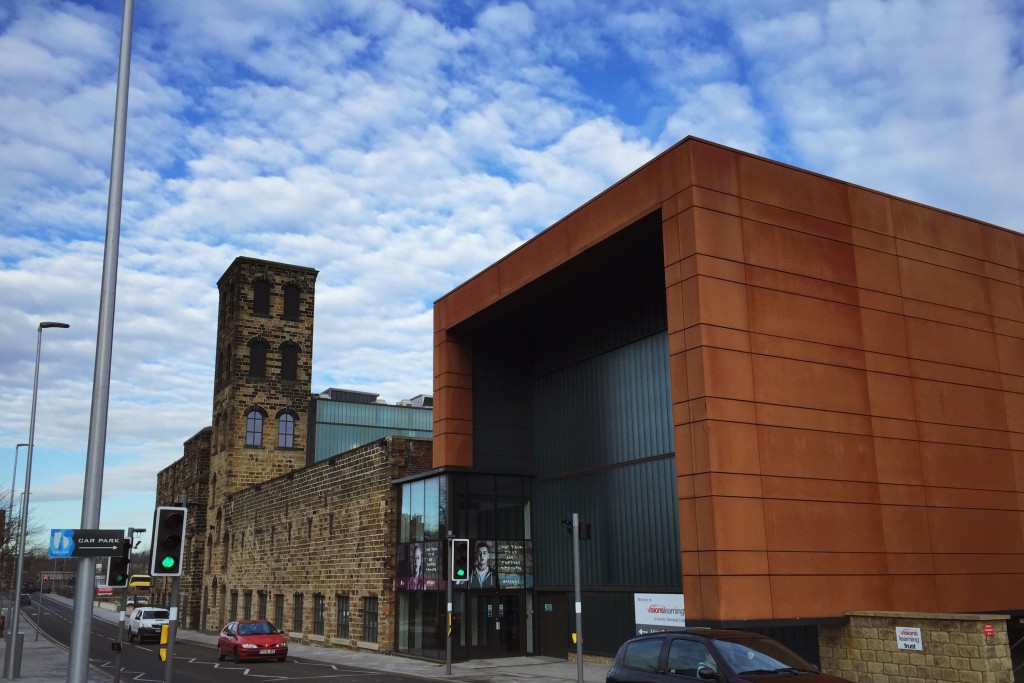
I landed at Burnley Manchester Road train station and headed downhill slightly before verging off down to check out the latest developments around the new Technical University Campus, the continued regeneration of the Trafalgar area and the Weaver’s Triangle.

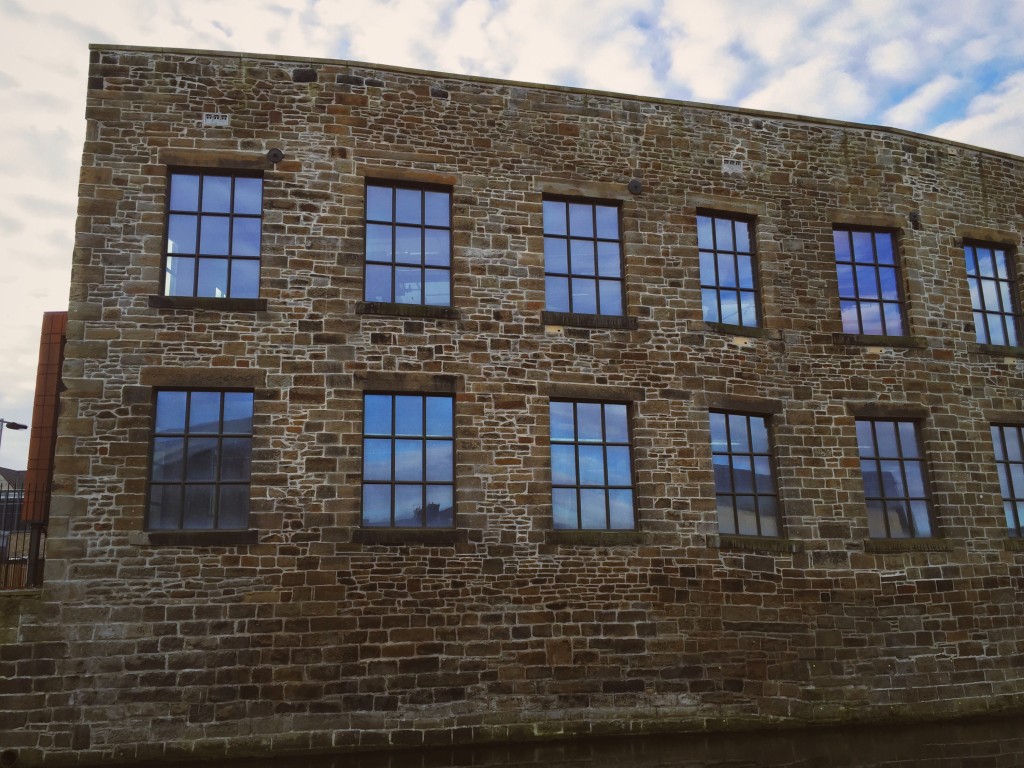
The new university building in the old mill
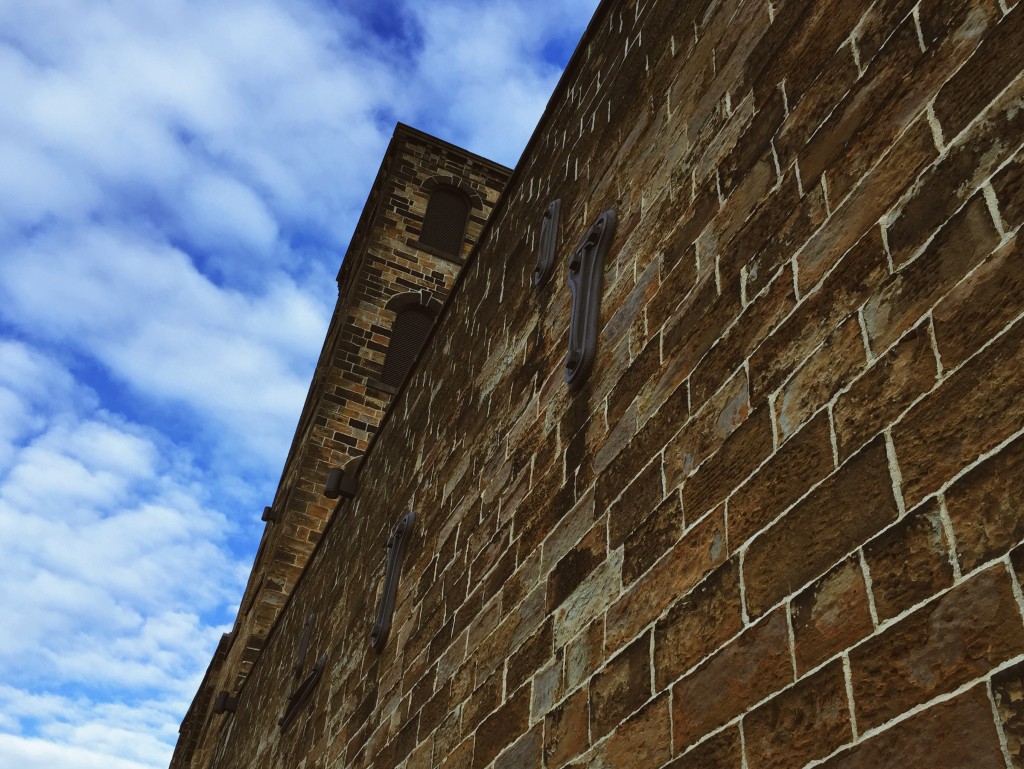
Looking up at the mill

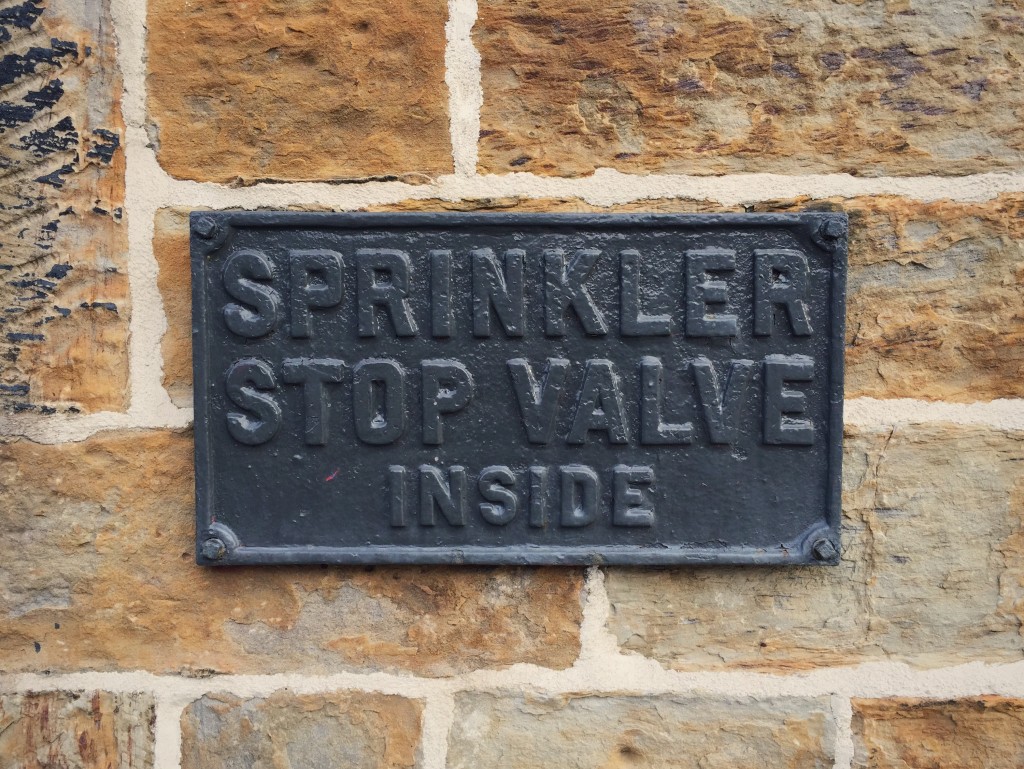
Naturally I was drawn to an example of ambient typography I found, and I was very happy that those in charge of the mill’s renovation had opted to maintain this old plaque, albeit painted in this cool new grey.

An old plaque in some irregular typE

From there I found my way down to the canal, which offered some strange perspectives of the back of the old mill buildings. I was struck by the fact that the canal does form a major artery through the town, with all the grand old buildings backing into it.

From there I found my way down to the canal, which offered some strange perspectives of the back of the old mill buildings. I was struck by the fact that the canal does form a major artery through the town, with all the grand old buildings backing into it.

Some slightly lopsided windows there!

I soon left the canal, wandering down through the city centre, the markets and into my favourite park: Thompson Park. It was strangely beguiling in the winter sun, with it’s lake drained and a relaxing lack of people. I was joined only by the park rangers working away and another guy who sat chain smoking on a bench.

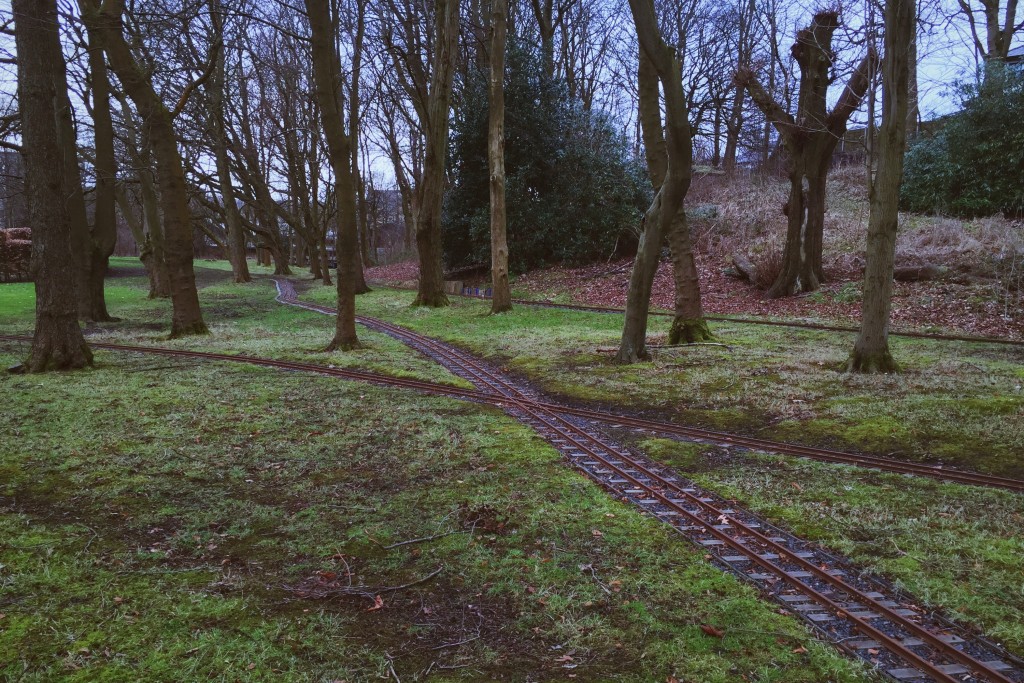
Train tracks cross through the trees

I was happy to see that the miniature railway has now be come a permanent fixture in the park, however naturally it was closed for the winter season. I took some time to wander along its tracks and take in the rather zen ambience.

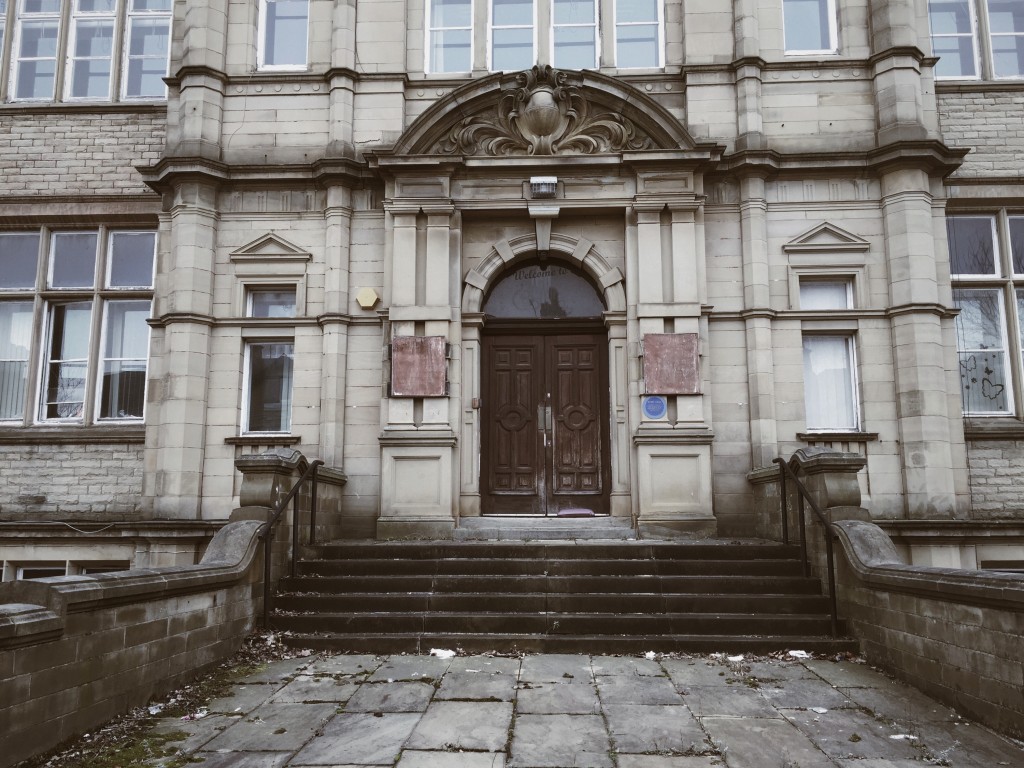
After an hour or so of sketching and idea generation on a wall by the river running through the park, I left in search again of the canal. I took a moment to see what had happened to the grand old Burnley College building – which is now in a very sorry state.

The old college building

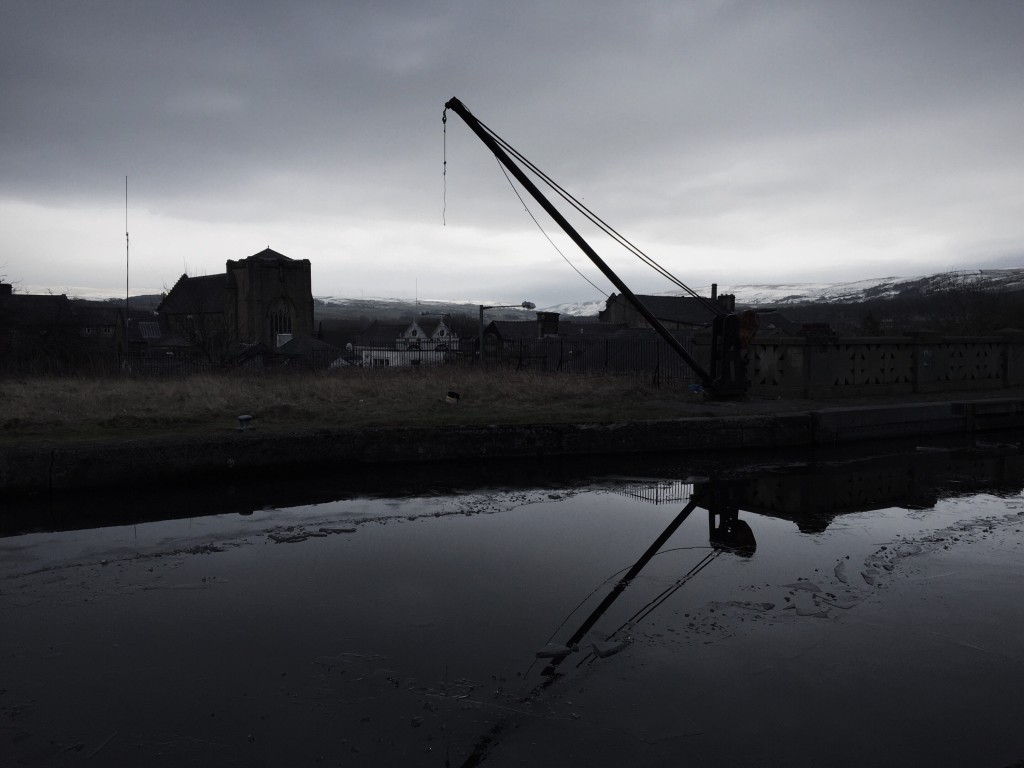
However the easiest way to the canal, I gauged, was to nip back into the park and hop onto its bank from there. I was soon, from entering under a bridge, seemingly on top of he whole town. It was very surreal and rather beautiful, and I have since decided that the canal should play a prominent role in my project.

A view from the canal

In my 19 years of living in Burnley I have never really taken the time to wander along and see the town from the canal, but I will definitely be doing so again, and would urge any residents to do the same. It was a refreshing break from the hustle and bustle of the town centre, and offers some lovely views as well as a look back at our rich heritage. The views here are taken from the ‘straight mile’, one of the “seven wonders of the British canal systems”, a 60ft high embankment which forms a mile of dead straight waterway through the town centre.

Overall my trip back to Burnley was strange. So why so strange? I shall explain. Normally when I go to Burnley, I avoid the town itself and head pretty much straight to where I actually live, in a small village just outside the main centre. Coupled with the fact that I went not for leisure but for purely research purposes, made for an alternative but thoroughly enjoyable trip.

Being a tourist in my own hometown definitely opened my eyes to how lovely my town can be, and has filled me with ideas for my D&AD + Pantone brief to reimagine my hometown through colour. Up the clarets!

(I did once go to a Burnley match and it was a tonne of fun. Evidence here.)

Parts of a text are not mere objects of varying shapes and sizes to be arranged like ornaments on a mantelshelf or pictures on a wall.

Hartley & Burnhill

Maria dos Santos Lonsdale includes this very valid observation in the opening of her paper, “Typographic Features of Text: Outcomes from Research & Practice”. A typography specialist, graphic designer and researcher, Maria recently joined us to teach on our course at the University of Leeds after time spent teaching at the University of Hull, in Portugal and completing a PhD at the University of Reading.

Maria noted in her introductory speech to us that she had recently had this article published, and I immediately headed off to the library to source a copy, as this kind of research into typographic practices and legibility has become of increasing interest to me. I also decided to give it a read and quick review on here for my typography module, which I am blogging in between my usual posts, however you can access the collated typography related posts here.

An interesting point which Maria makes in the opening chapter of her paper is the claim that typeface choice, be it serif or sans-serif, is almost irrelevant (discounting decorative typefaces) and does not affect the legibility of a piece of type. Rather, the argument transpires, it is the construct and spacing of the set type which can serve to either hinder or aid legibility.

I was once again reminded of Jan Tschichold’s argument in “The New Typography” that sans-serif is the sole reasonable choice for the ‘new typography’, a point which Maria brings up by referencing one of Tschichold’s later works.

Another argument that seems to again call into question the way in which we approach type is that it is not the point size of the type which is important, rather the size of the x-height. By this logic, typefaces such as Futura with a relatively small x-height will need to be set at a slightly larger size to be as legible as typefaces such as Helvetica. I have always pondered this issue, but Maria here provides detailed study and explanation as to why this is the case, which was for me quite exciting to read.

The paper also provided me with unbeknownst tips and advice on setting type, such as suggesting that a typeface is set in a slighter thicker weight when it is to be set in white on a black background. Also of note was Maria’s choice to concentrate solely on legibility in printed typography, the reasoning behind which came apparent later in the paper, where the effect of typography on examination and educational papers is explored.

A concept which is prevalent throughout the paper is one which I have battled with on multiple occasions, and that is line length. Maria’s approach in the paper drew on sources which I have already read such as Bringhurst’s “The Elements of Typographic Style”, amongst others, to come to a conclusion (60-70 characters per line) which I have already adhered to for some time. However what I found the most interesting was the scientific reasoning behind why such line lengths are more suitable, namely the ‘visual span’ and the use of peripheral vision whilst reading, as well as the difficulty of making a ‘return sweep’ (returning to the left hand side of the page) when moving on to the next line of text.

As I read over the entire paper, a question which I kept asking myself was whether some of the theories and recommendations were transposable to web/screen-based typesetting. I was aware that Maria had chosen to omit such studies, however I believe that I may be interested in pursuing a research project/essay which challenges the use of conventional typesetting techniques on the internet.

References

  1. Hartley, J. and Burnhill, P. 1976. “Explorations in space: a critique of the typography of BPS publications.” Bulletin of the British Psychological Society, 29, 100.
  2. Lonsdale, M. dos S. 2014. “Typographic Features of Text: Outcomes from Research & Practice.” Visible language, 48(3), 28.

Carmen

04.02.15 — Leeds

Yesterday evening myself, along with Izzy and Luisa, headed off to Leeds University Union to see our good friend Emily perform in LUU Opera Society’s performance of the French opera “Carmen” – and what a night it was! As is customary when I write a post about a performance, you are obliged to click here and play the official soundtrack to this blog entry.

Having seen Emily last year in another Opera Society performance, Gilbert & Sullivan’s “Ruddigore“, we were apprehensive as to weather Carmen would be as good, and as funny – seeing as Carmen is not a comedy like Ruddigore.

We were not disappointed! Although Emily had a smaller role than her main part in Ruddigore, it was great to see (and hear) her up on stage alongside what turned out to be another fabulous and incredibly strong cast – Carmen herself really stole the show (and not just because of her amazing outfits!)

The ending of the show in particular had us all in stitches – maybe rather strangely. I won’t reveal all on here, you’ll have to go and see it yourself!

Once again it was a really lovely evening, and a great opportunity to do something different with all my colleagues from the graphics course. I urge anyone who has not yet done so to go and see it, tickets are only a fiver for students from LUU and the show is running every nigh at 7:30pm until this Saturday evening.

PS: Sorry that this post has no images – I was so caught up in the action that I forgot to take any!

Homebrew Stencil Type

03.02.15 — Leeds

So yesterday, somewhat inspired by the talks at Leeds Print Festival, I decided to try my hand at a spot of printing! As this was a spontaneous decision, and because I was confined to working in my student house, I had to get a bit creative with my techniques and materials…

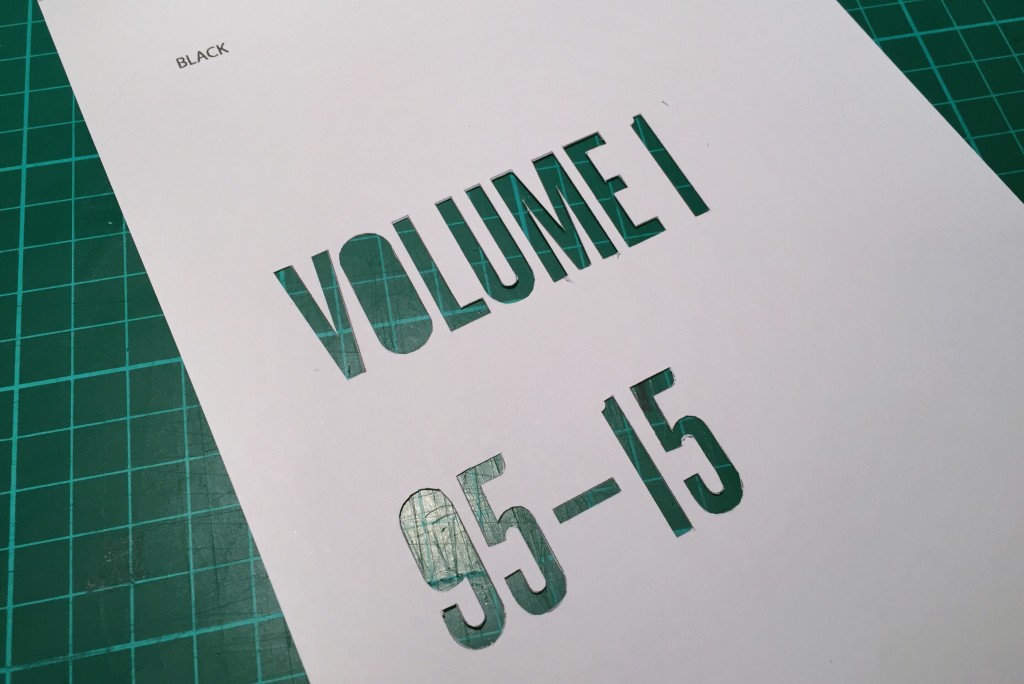
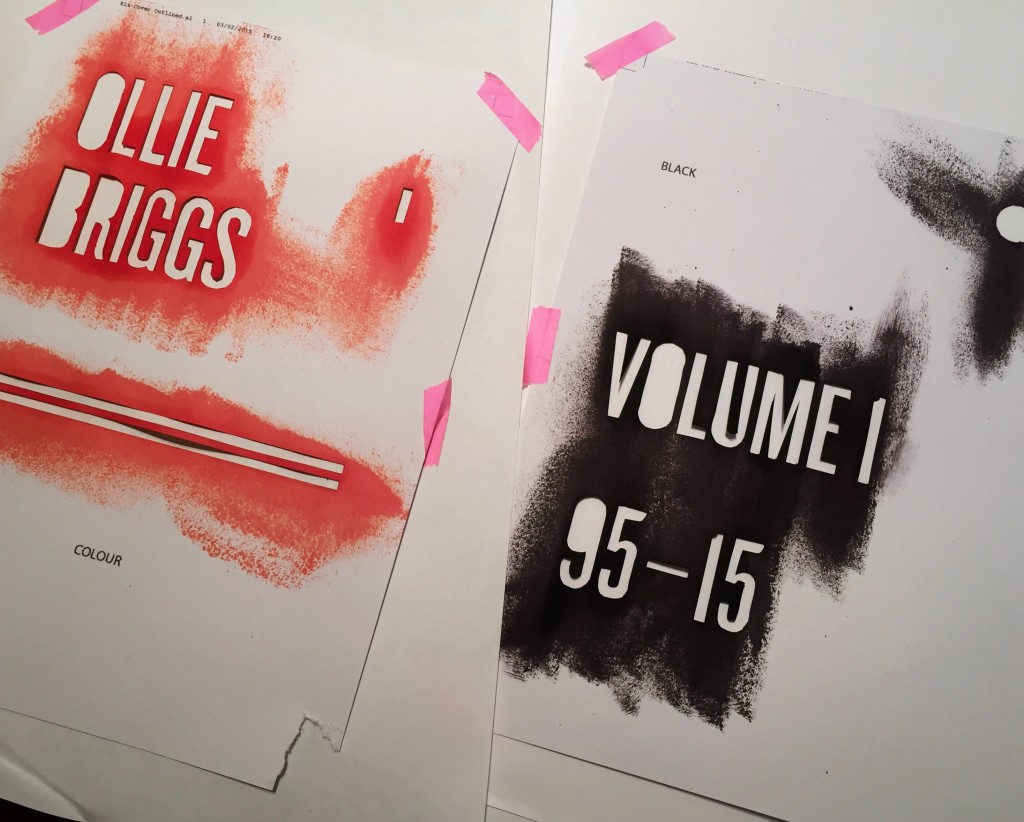
I decided to create a two-colour print using a rudimentary stencil technique. I firstly drew up my design (for a project I am working on in my spare time) and then split the document into a black layer and a colour layer. I then printed these two layers on two separate pieces of card before rather tediously cutting them out with a craft knife.

A cutout of one of the two stencils used

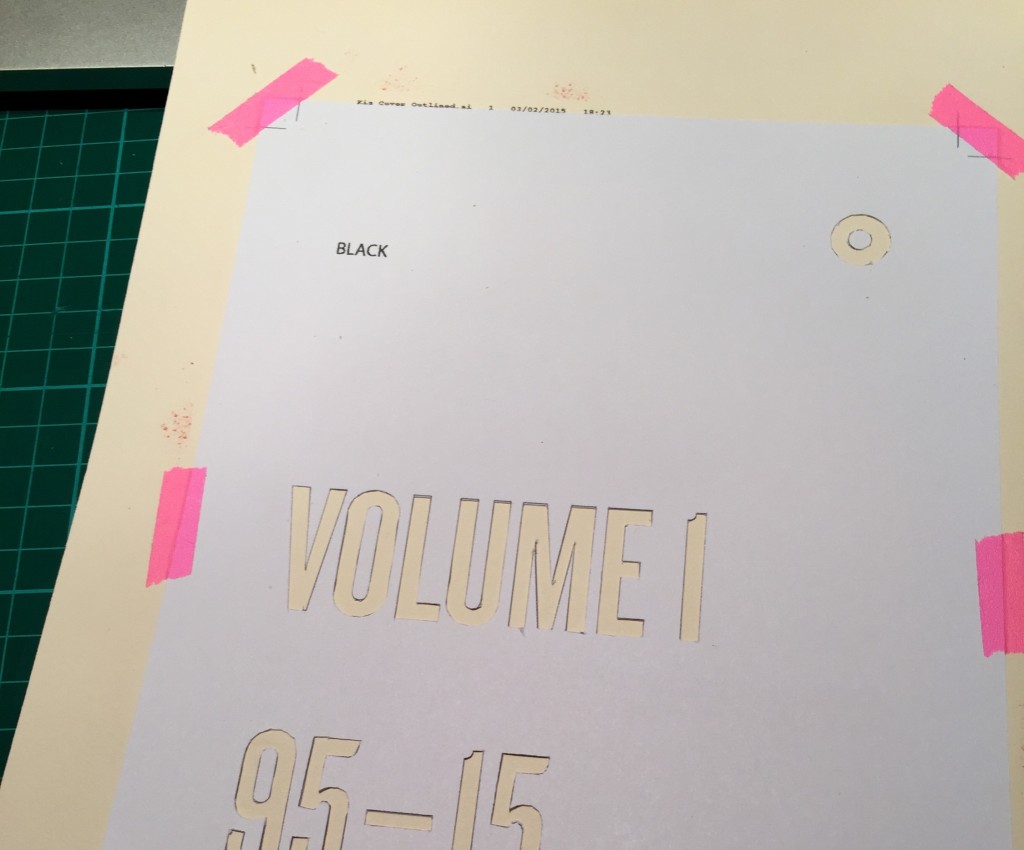
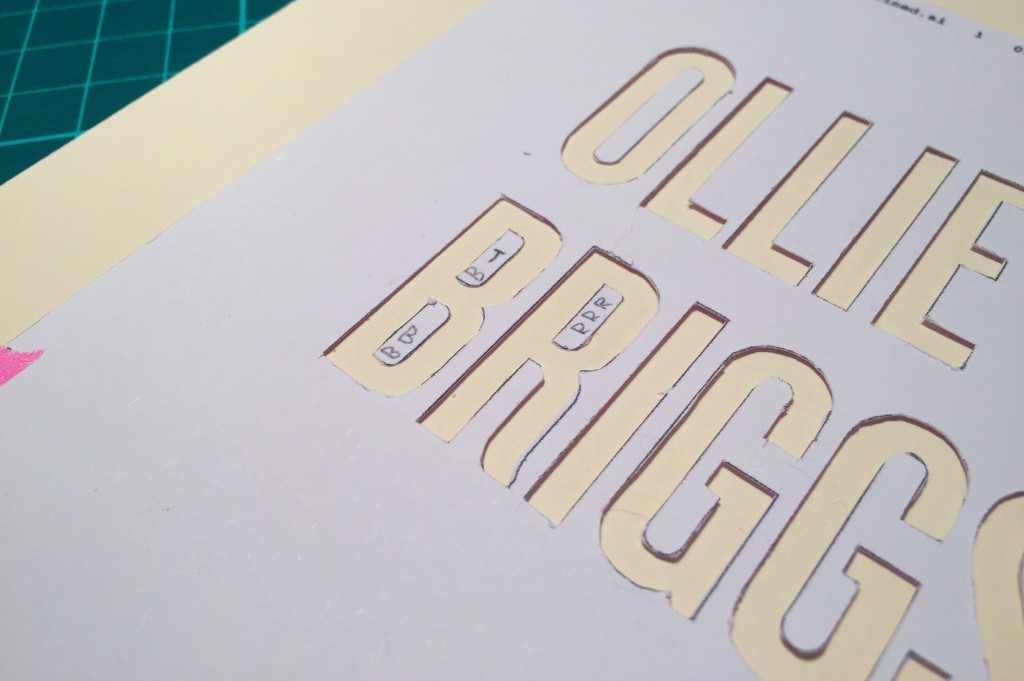
I had decided from the off to abandon my usual purist attitude and embrace any imperfections, so I wasn’t too bothered that the cutting was dodgy in certain areas. I did, however, want to retain the counters in the letterforms, so I cut those out also and then used some temporary glue to adhere them to the surface to be printed on before I put down the ink. I used crop marks printed on both the card to be printed on and the stencils themselves to align the stencils.

The stencil in place over the card to be printed on
The counters in place (note my notes on which is which)

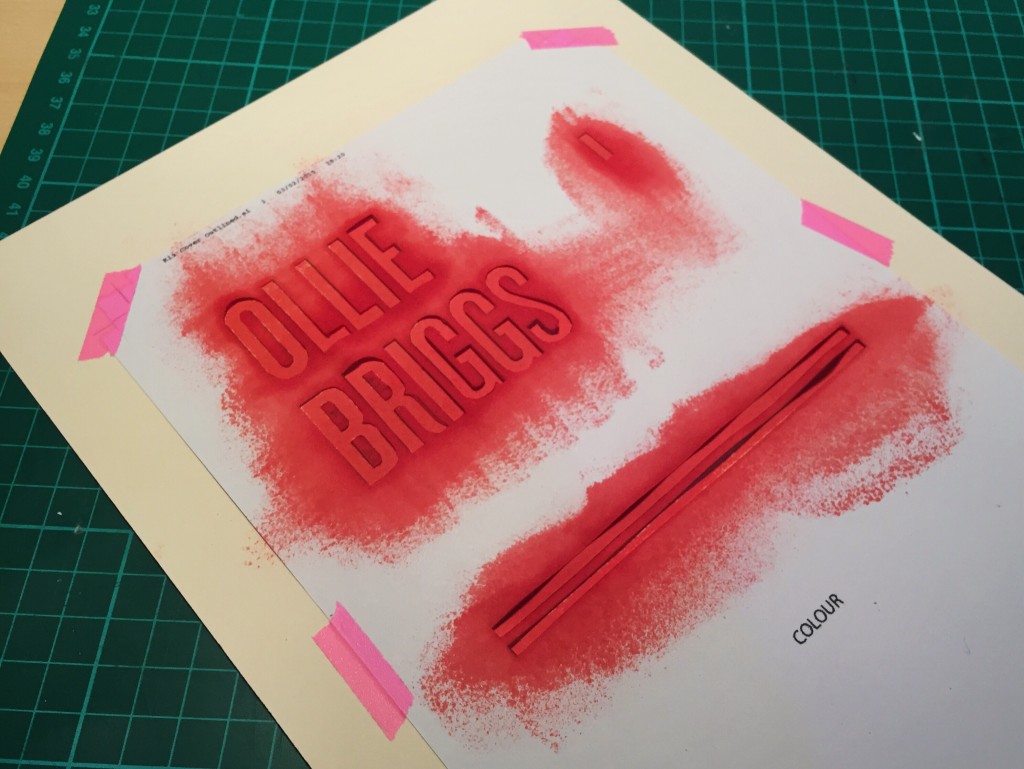
I then had to get creative all over again. I had no proper acrylic print medium, so I rooted through my drawers to see what I could find. I winded up making use of a set of inkjet printer cartridge refill pots which had been laying dormant in my drawer. Using the sponge end of a scourer from my kitchen cupboard, I doused it with the ink and then brushed the excess off on some spare paper before dabbing it repeatedly over the stencil.

One of the stencils after the ink was applied

Again, I was aware that this kind of low viscosity ink wasn’t ideal for this method of printing, however I thought it’d add to the handmade appeal of the final outcome – and it was the only stuff I had lying around! I may rename this post “Stencil Type On A Shoestring.”

Anyway, those familiar with printing will know that there is no such thing as red inkjet ink, so the vibrant shade of red you see above is actually a custom mix of magenta and yellow ink.

The two stencils after use

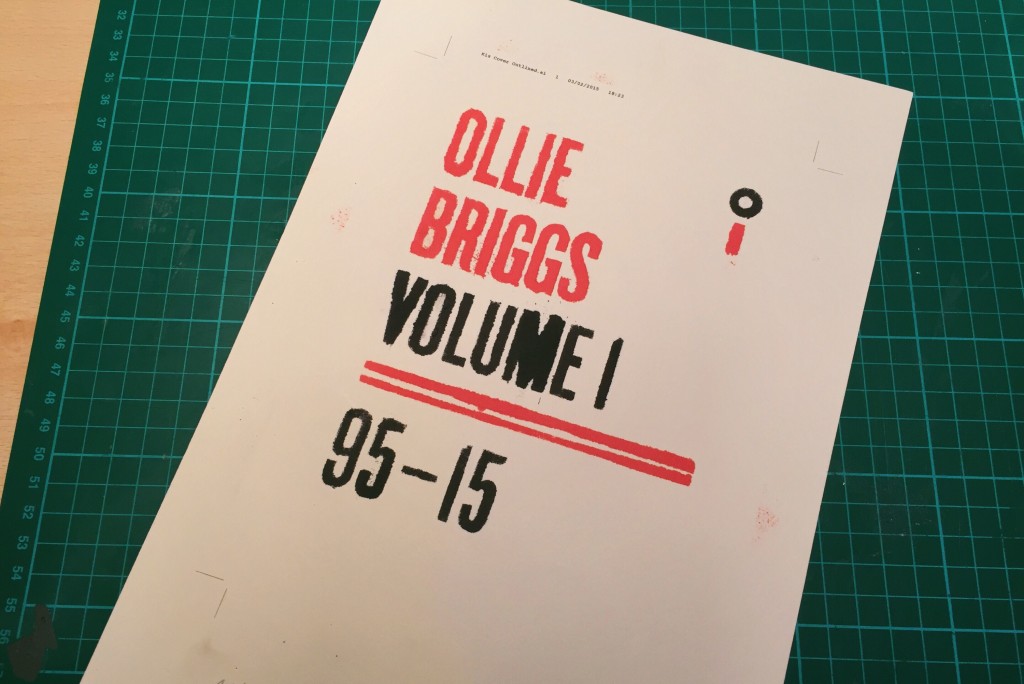
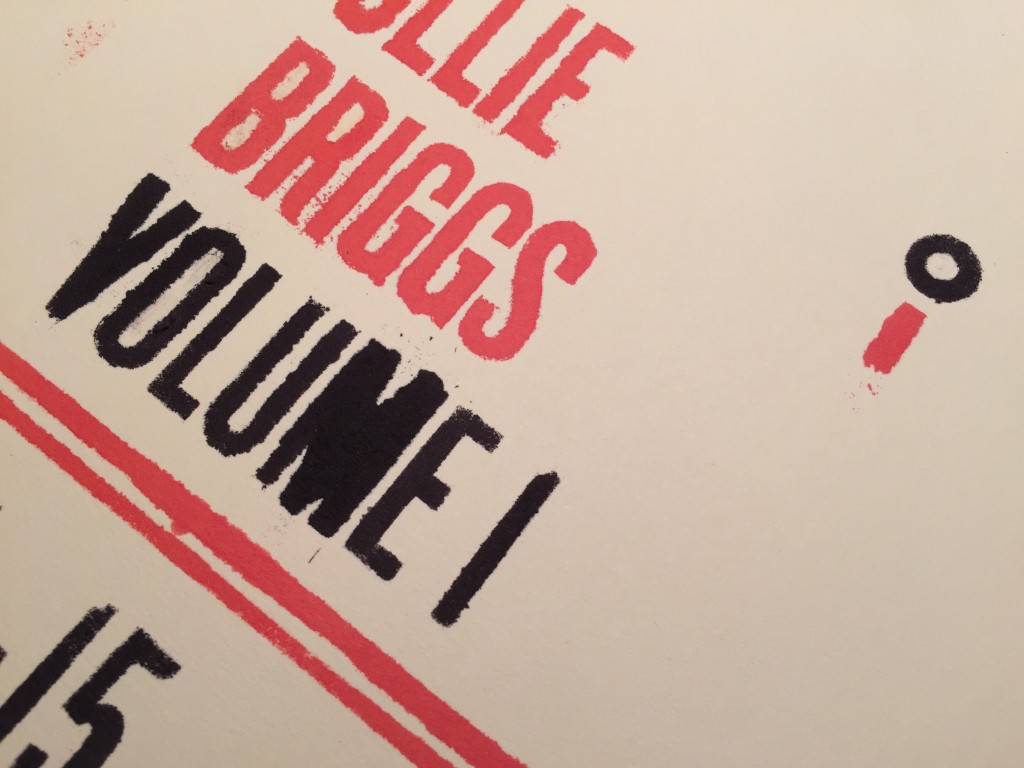
After applying the two colour prints and picking off the counters, I was presented with the final product! As I say, it’s not in any way perfect, but I do like how the ink has seeped beyond the boundaries of the stencils, most noticeably around sharp angles like those of the ‘V’ and the ‘M’.

The final print (before being trimmed)
A close up look

So there you have it – an unconventional technique using unconventional materials which resulted in quite a messy but interesting outcome. I am unable to photograph this, but the absorption of the ink by the paper has actually raised it slightly on the letterforms, giving the print a slightly embossed feel. I didn’t plan this but it’s an intriguing side effect of using such a watery ink.

The messy process took about two hours (most of which was spent cutting the letters out by hand), but it was great fun to do some typographic work without being sat behind a computer. Moan as I do about cutting each of the letters by hand, it was actually a great learning curve, as it instilled a newfound appreciation for the delicate forms of even the simplest typefaces.

Leeds Print Festival 2015

31.01.15 — Leeds

So after being stranded in Leeds on Thursday after planning to go to Burnley to conduct some research for my Pantone D&AD Brief, which is to “reimagine your hometown through the language of colour”, myself and a bunch of other designer friends headed down to Leeds College of Music for the Leeds Print Festival (#LPF2015) talks.

A dusting of snow over Hyde Park
Sketching and research for my brief

After wandering round the foyer and picking up my invite and a tonne of free print goodies, we took our seats and the first speaker was up: Alec Dudson, editor and creator of Intern magazine. He made a strong case for the retention of print as a medium and also as a craft, with points such as:

  1. Print presents a unique method of discovery, free of algorithms and associations as found online.
  2. Print is an art form, as you are creating and working with physical materials.
  3. Print is permanent.
  4. Print forces you to consider ideas more carefully, as mistakes cannot be rectified later on.
  5. You can interact with print, it is an object that you can take, lend and want back.

The points he made (which were more numerous than the select few above) really made me consider focusing more on print in my work, and treating the process as more of a fine craft, rather than just taking for granted my handy little inkjet. The talks continued with two speakers from Counterpress, a letterpress studio in East London.

They also made further compelling points – noting how that print, rather than dying out, is just becoming more of a specialised process. This idea that print is becoming a specialist craft, rather than just a standard method of mass-producing environmentally unfriendly copies of something, was an optimistic new take on print’s seeming decline which I agree with.

Counterpress take the stage

After a quick break, Paul Heys, a senior lecturer of Graphic Design at Sheffield Hallam University took the stage. He had an interesting story to share on a project he embarked on with the Stanley Kubrick Archive at UAL, and also some other wisdom, my personal favourite being “find what you love and let it kill you.”

We then took some time for lunch, where we headed just across the street to Café 164 for a delicious chicken and chilli sandwich. Situated just next to Colours May Vary, it’s a lovely spot to stop by for a snack and a coffee if you’ve treated yourself to a lovely new book.

As part of the Print Festival events, the exhibition space by the café was housing a selection of beautiful prints from a variety of designers and artists. Two of my favourites are below…

I love the colours in this set
I love this because I love pizza, and the style is beautiful

Before too long it was time to head back to the auditorium to recommence with the talks. Patrick Burgoyne, editor of Creative Review was there to greet us (as he did last year), and he introduced the next two specialists to deliver their talk: a father and daughter duo who run Perrot Bespoke Printing, a print studio down in London.

Having been featured in a video during last year’s festival, it was great to have them there to deliver a speech, which they began by reshowing the original video. It’s a beautiful piece of filmmaking showing the equally beautiful work that the workshop produces, and you should definitely go and give it a watch.

Next up we had Ben Freeman from Ditto Press on stage to give a talk on the work he does at his London studio, where he seemingly pioneered the introduction of the risograph printing process for decorative work rather than simply batch copying of boring ol’ documents. One of there most famous pieces of print work is the Ninja Turtle Porn Museum (check it out here, it’s quite obviously NSFW, however).

To finish of a long day of talks, a design legend Ken Garland took the stage, to present a talk entitled “Protest Graphics: Professional & Amateur”. Ken had us all in stitches as he talked us through some gabel end art in Derry, the use of amateur and professional designs in signage used during protests, and other pieces of famous graphic designs protesting against issues such as nuclear war (including some of his own!).

The talks ended with a panel discussion, where the audience were invited to ask questions of a panel including Ken, Patrick Burgoyne, Paul Heys and the guys from Counterpress. It was here where Ken dropped another pearl of wisdom, which I am very much tempted to print out and stick on my wall: “What we need is less graphics. Graphics can be a pain in the ass. There are too many signs everywhere. I love it here. I don’t see a single sign. Lovely. Wonderful.”

I have since made it home from the festival and unpacked my backpack full of delicious print loot, including a copy of Intern Magazine which I picked up for just £5. I had another amazing day at the Print Festival and would strongly urge that anyone with any interest in graphic design, art or just the medium in general heads down there next year for what I am sure will be another wonderfully informative day!

Some print goodies from the festival