Today, fellow readers, I am very pleased to be writing to you whilst I being caressed by the cool breeze of my very own air conditioning unit – but all this luxury came from a right royal fiasco in which I realised I hadn’t booked a flat for the dates when I needed one, and hence had to jump on the first thing I could find which I could afford – which just happened to be a lovely modern room in some student-style accommodation in the east of the city. Oh well…
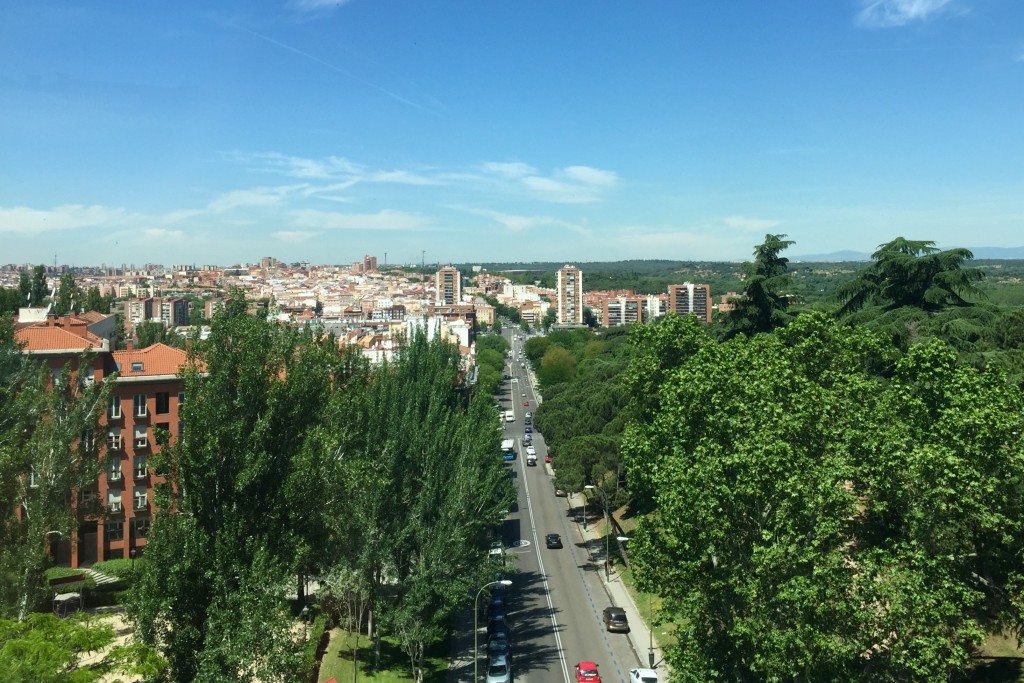
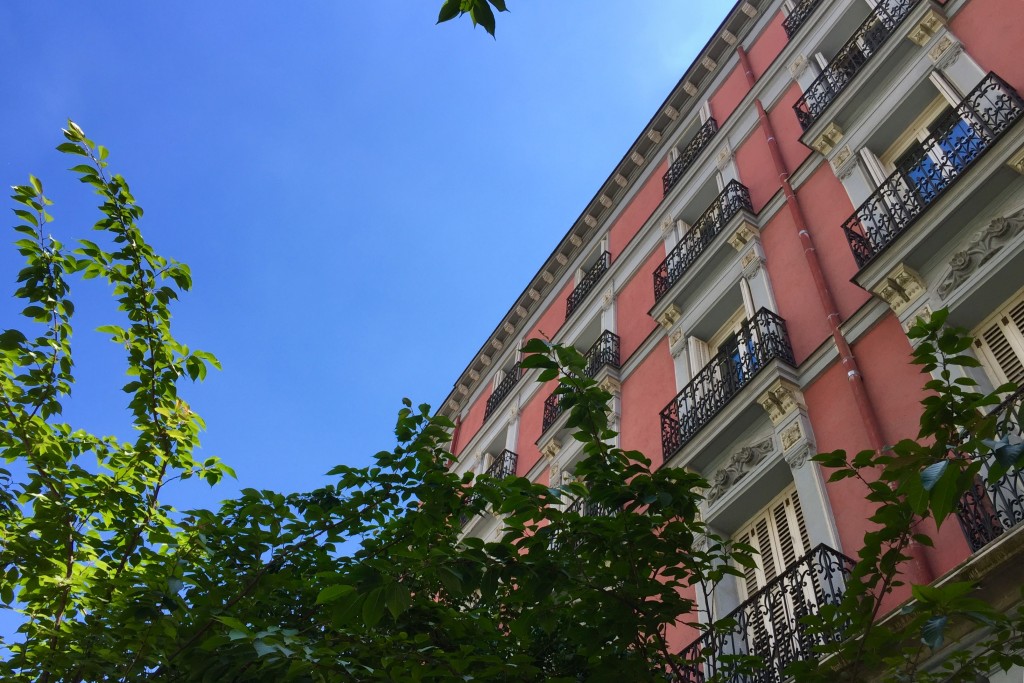
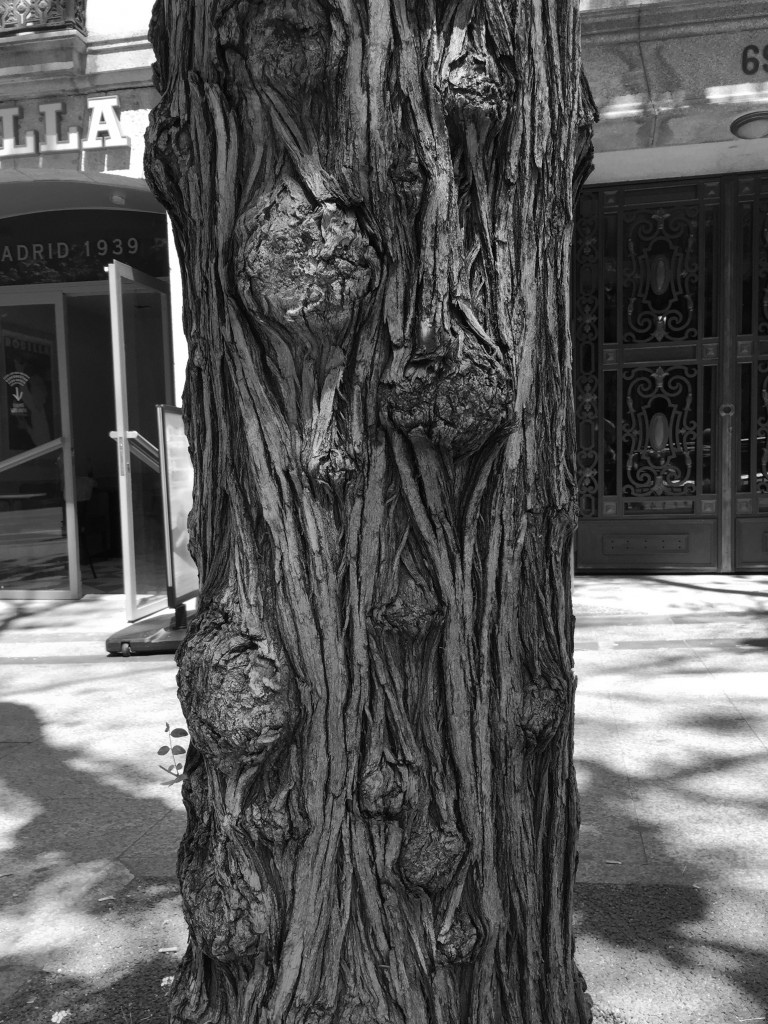
As I basque in the excitement of Danni & Abi’s visit in two days time, for the past week I have been sensing quite acutely the sudden spike in temperatures, but I somehow managed to survive a day peaking at 36° whilst commuting in my jeans. The sun may be doing it’s worst and the air conditioning unit at work may sound like it wants to break through the ceiling under the strain, but the strong light and bright evenings have made for some beautiful photo opportunities…
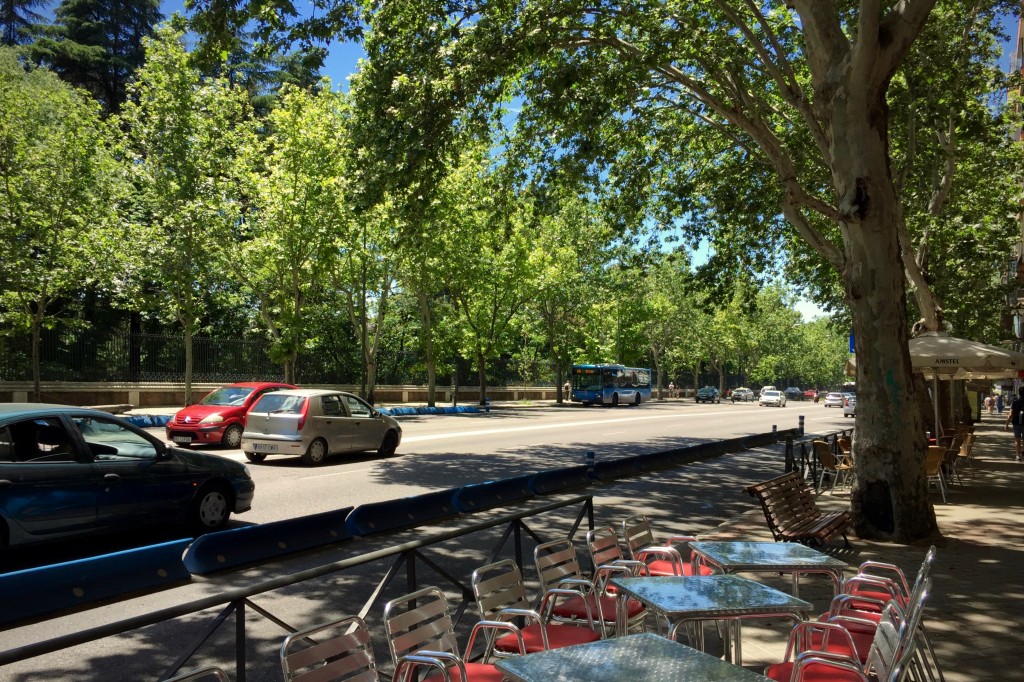
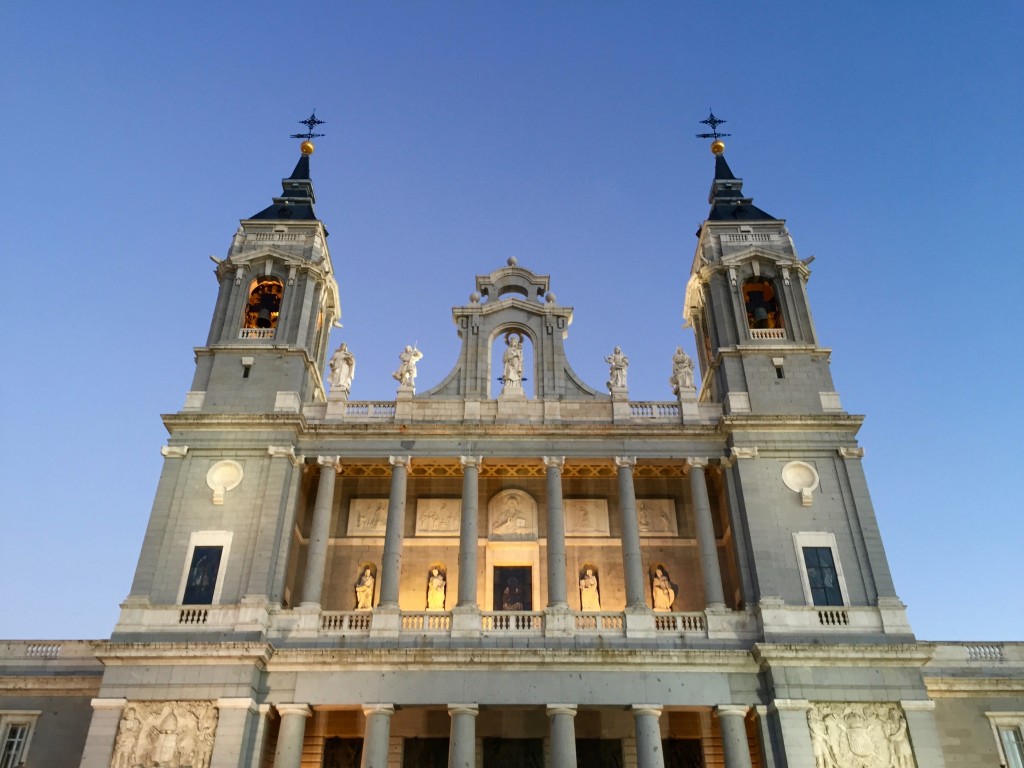
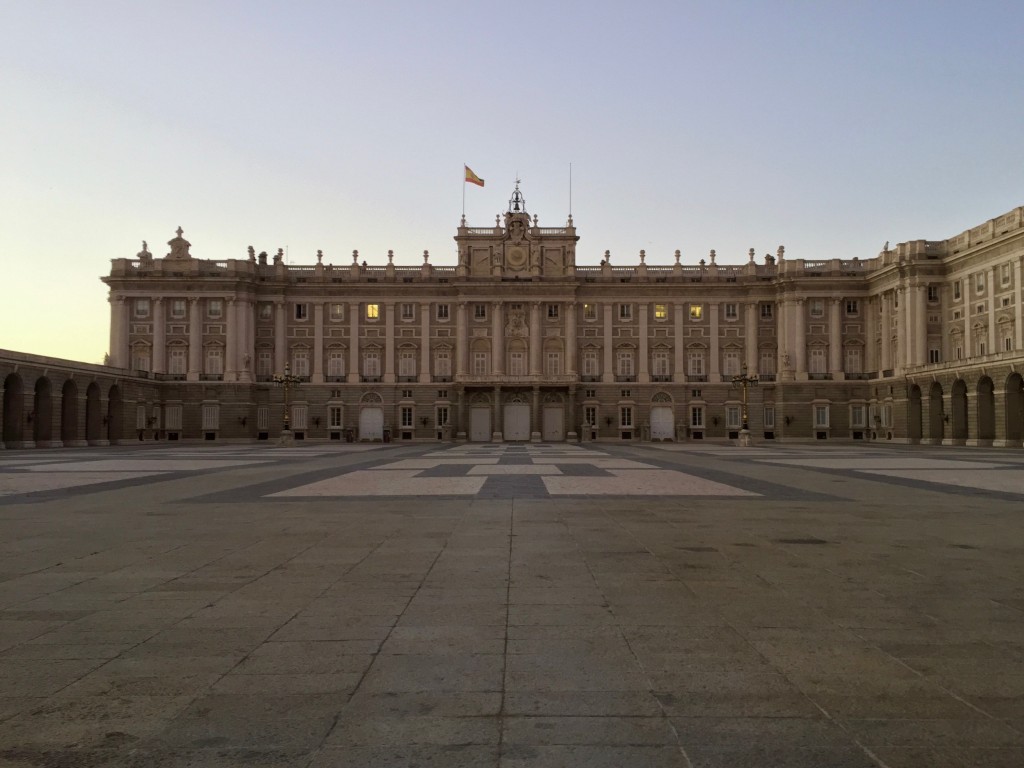
As you can see, the metal chairs are out on the streets and the trees are in full bloom, and the area around work benefits from the relief of a slight breeze. The best time of day during this weather, however, is in the evening once the sun has set but the air is still pleasant, and to this end I managed to snap a couple of lovely pics of the royal area of Madrid basking in the embers of the day’s sunlight.
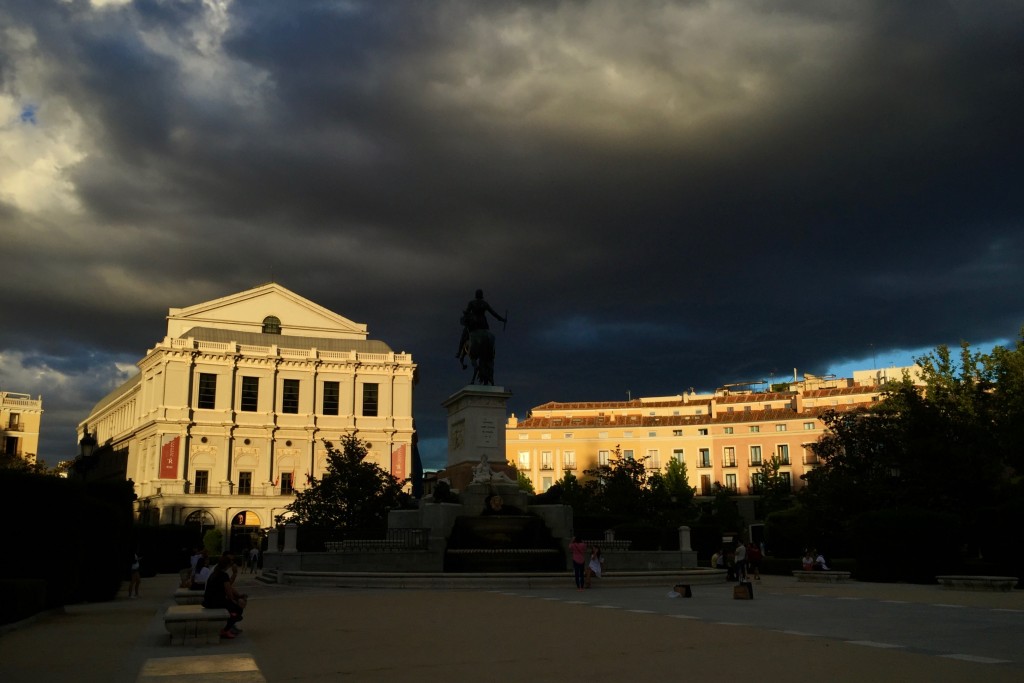
Just this evening I was sat in the Oriental Gardens enjoying the evening ambience, when the sky was suddenly filled with dark grey clouds, which naturally I took as a warning of imminent downpour – but I was informed that they come and go frequently here and rarely signal rain. The contrast of the sun illuminating the buildings and the sky in it’s eerie darkness provided an interesting mood…
I am, as I said, now tucked up in bed after a lovely evening visiting my ex-hostess from my old flat, Pilar, with whom I stopped for a caña and a chat as I picked up a bag full of snacks that I’d left at hers over a month ago… Oops. We have arranged to meet up once again soon for a proper drink and some tapas and as we say here, lo que sea – meaning whatever might take our fancy!
Until then, though, I have to pack and prep for the arrival of Danni & Abi just this Thursday… Did I mention I am excited!?
Every now and then I like to add a soundtrack to my posts, and this one’s is Hello by Martin Solveig. Click here to play it in another window while you have a read through – you’ll see why as you read on.
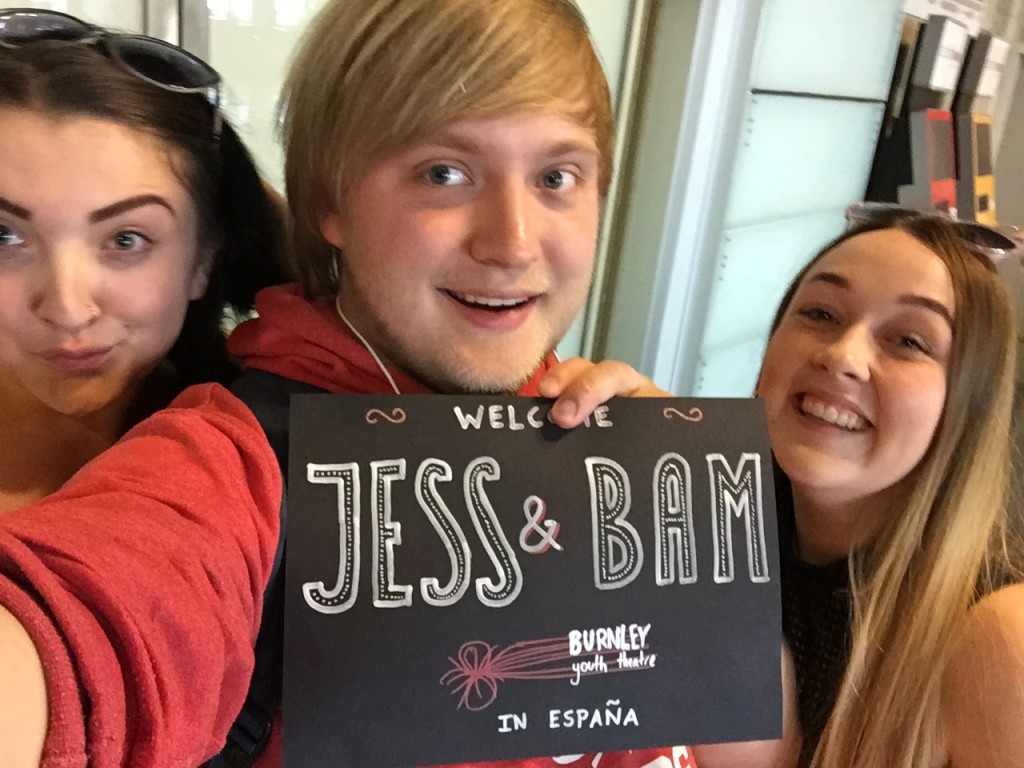
In my flailing efforts to get my blog back up to date, I’m back with the news that just last weekend my good friends from Burnley Youth Theatre Jess and Amber (Bam) landed at the stupidly named Aeropuerto Adolfo Suárez Madrid-Barajas, which I tend to just call Madrid Airport.
Having talked about it way back when I was working with the Design Council and Burnley Youth Theatre, we used to dream about how cool it would be if I ever got the chance to work out in Madrid, and now here I was all stupidly excited and making a sign for the dramatic airport greeting…
After lots of screaming and hugs at the airport, we headed down to the Metro and got on our way to check in at the hostel, and then I set them off exploring whilst I headed back for work, where we met up just before closing so that they could meet the lovely team and have a snoop around the studio space.
After milling around in the studio, we headed out into the centre for the evening, grabbing some tapas and finding ourselves getting dragged into participation in a Spanish pub quiz! I somehow managed to translate our way through it, and although we didn’t win so much as a free shot, we had lots of fun and ate lots of lovely food.
Another day of exploring the city and eating delicious Mexican food ensued, and before we knew it Saturday had arrived and we were trawling the shops for contributions to a lunch that the owner of my flat, Cati, had graciously invited us to. We were very honoured to have been invited to join the family gathering, and so we grabbed a bottle of red wine and a generous helping of jamón iberico to share and hopped on the bus to the flat.
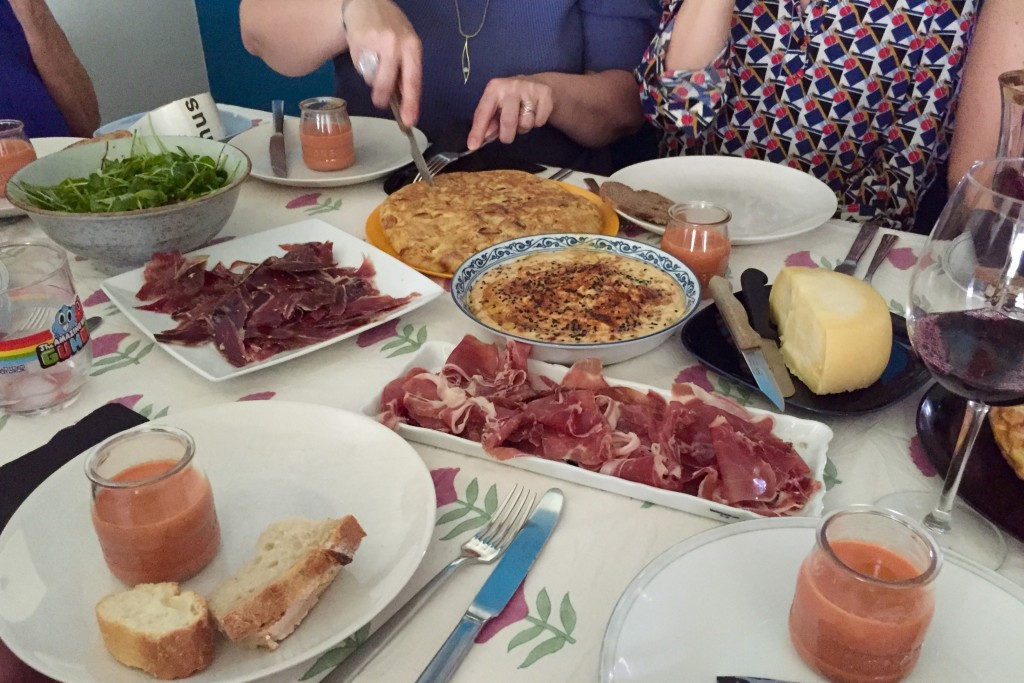
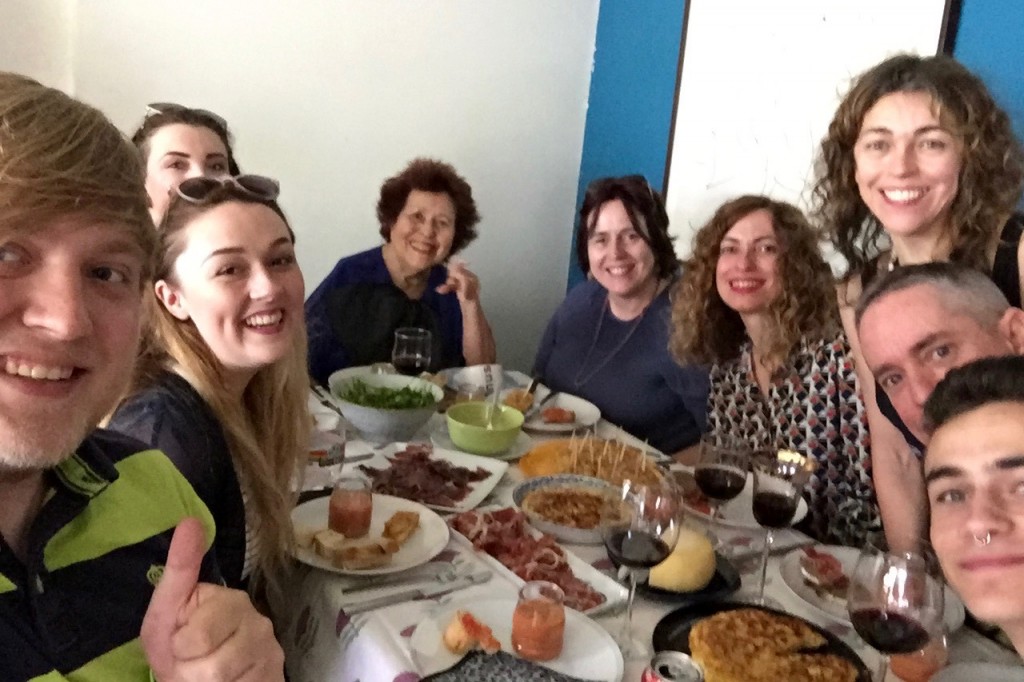
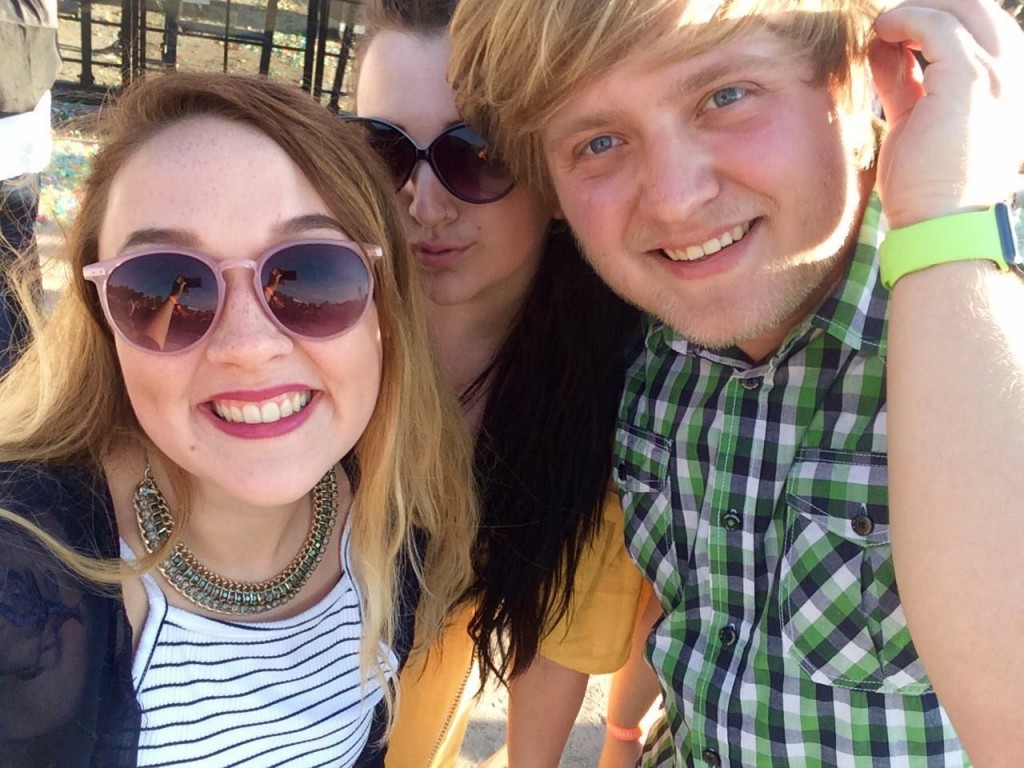
Once there the Spanish feasting began, with delicious homemade tortilla española (courtesy of Cati and a bag of potatoes from Galicia), jamón, wine, homemade hummus, gazpacho, bread, cheeses, and salad. It was truly delicious, and we snapped this kind of awfully blurry but lovely selfie to remember the occasion by!
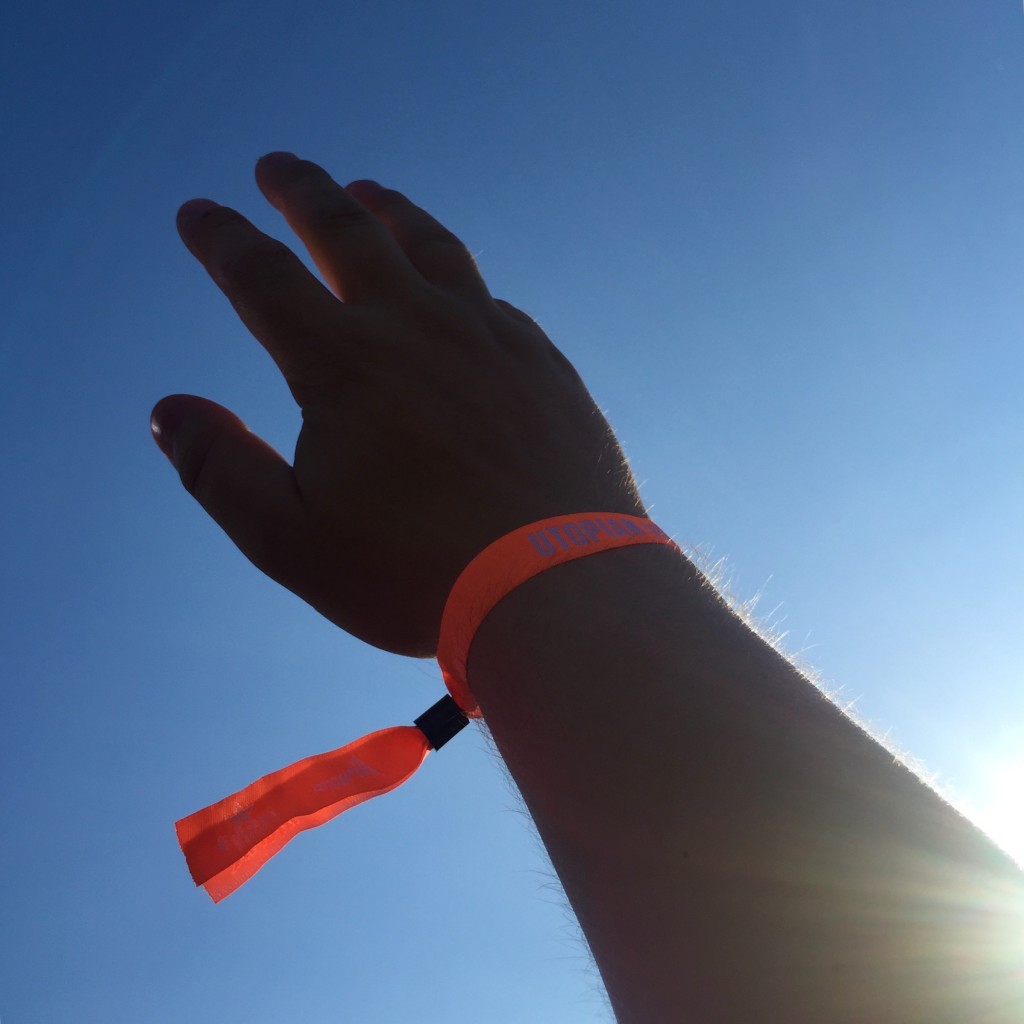
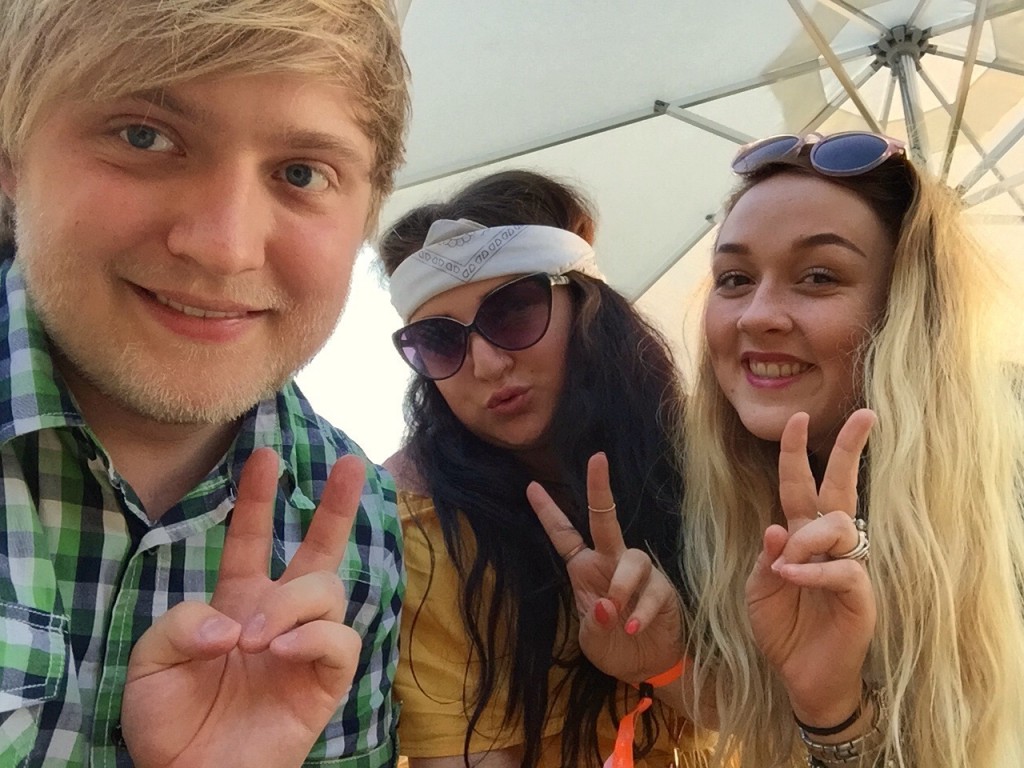
Then we retreated to my room so I could change my shoes and shirt, all in preparation for something super exciting – a huge music festival! As Erretres had done the brand design for the first ever Utopía Festival here in Madrid, we were all offered free VIP tickets, so I grabbed some for us three to attend on the Saturday night, where we’d party with David Guetta, Alesso and Martin Solveig!
We headed on foot (which may have been a mistake in the relentless afternoon heat) to the university campus where the festival was taking place, and after jumping the queues with our tickets, wound up relaxing on some picnic benches and outdoor sofas in the VIP area.
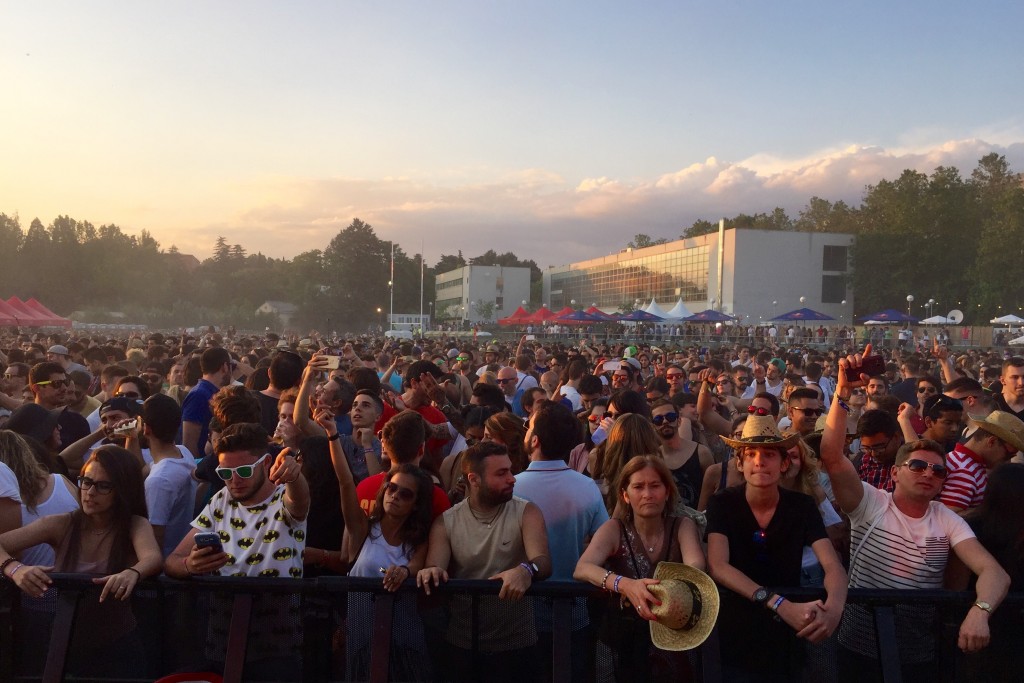
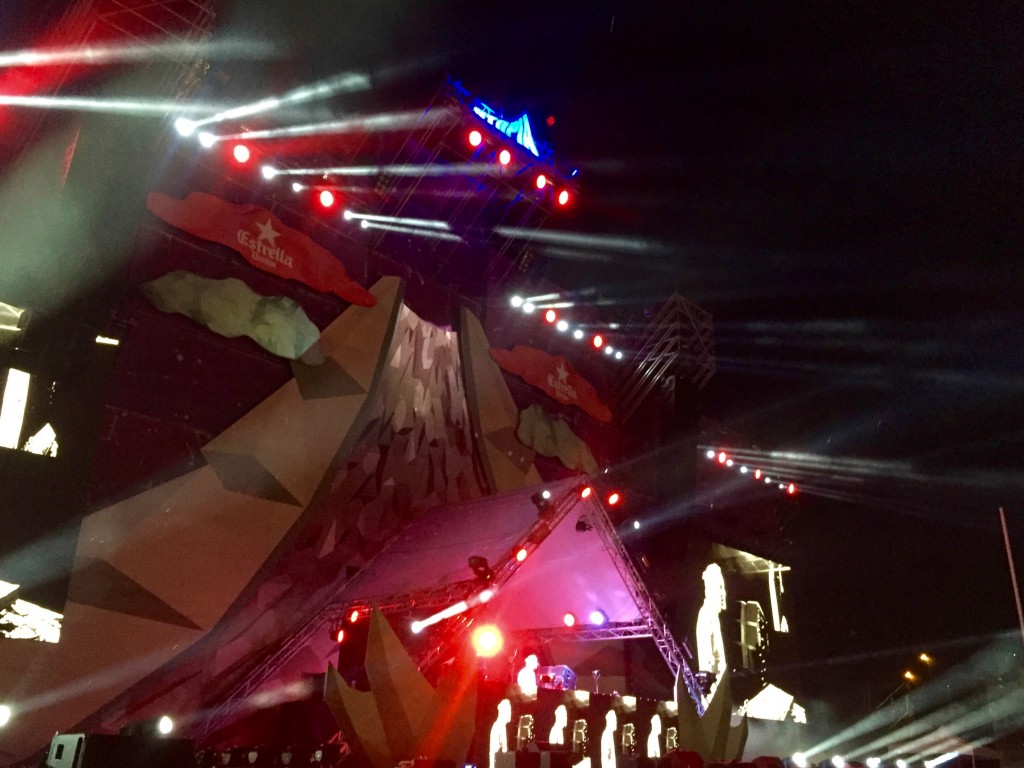
We arrived as Solveig was playing, and soon ended up in the little front-row area, dancing and singing along – especially when he played one of my all time electronic favourites, Hello, which you’ll be listening to if you followed my advice at the beginning of the post… or it may have finished if you’re a slow reader.
A lovely photo courtesy of Jess
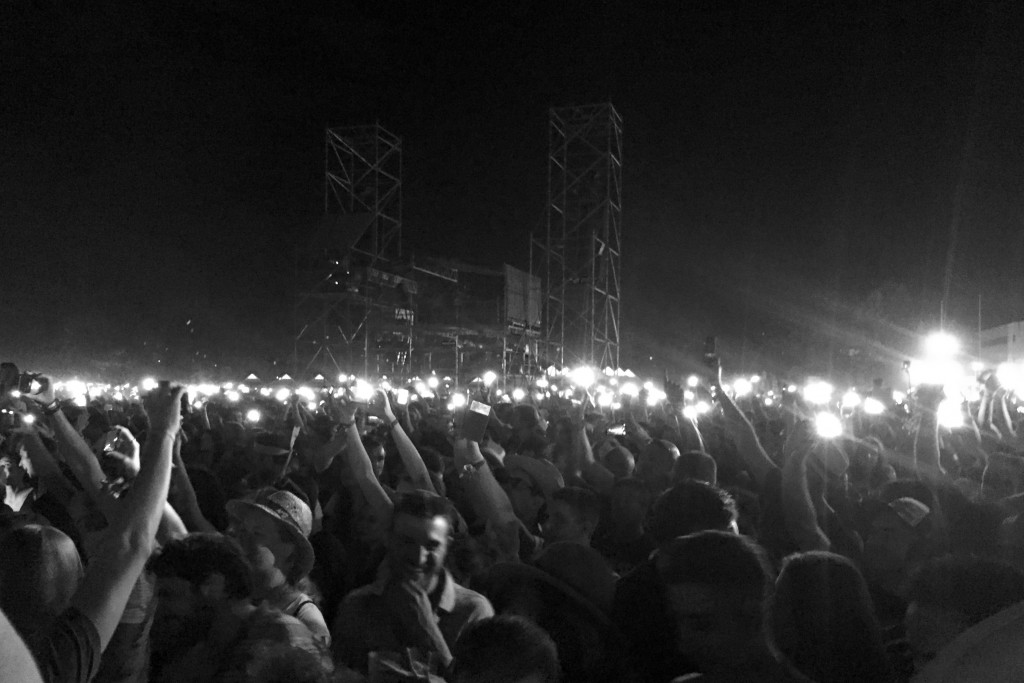
After another spot relaxing and working out the bar’s token system, we headed back to the main stage as night fell and David Guetta was due on. Suddenly there he was, and we were deafened by a great mix of classics and new material, including the official Euro 2016 anthem that he’s just released – it was the first time it’d ever been played here in Spain, and everyone loved it! Here’s a link to listen, but it’s just not the same as live in front of 20,000 people!
All too soon, though, it was getting late, and we all conceded that we really didn’t know much of what Alesso was playing, so I devoured a burger and we headed back home past a sea of light. We all decided not to rush up on Sunday morning, and after a nightmare trying to hail a cab (after a festival we should have preempted that one a little better) we were all home in bed.
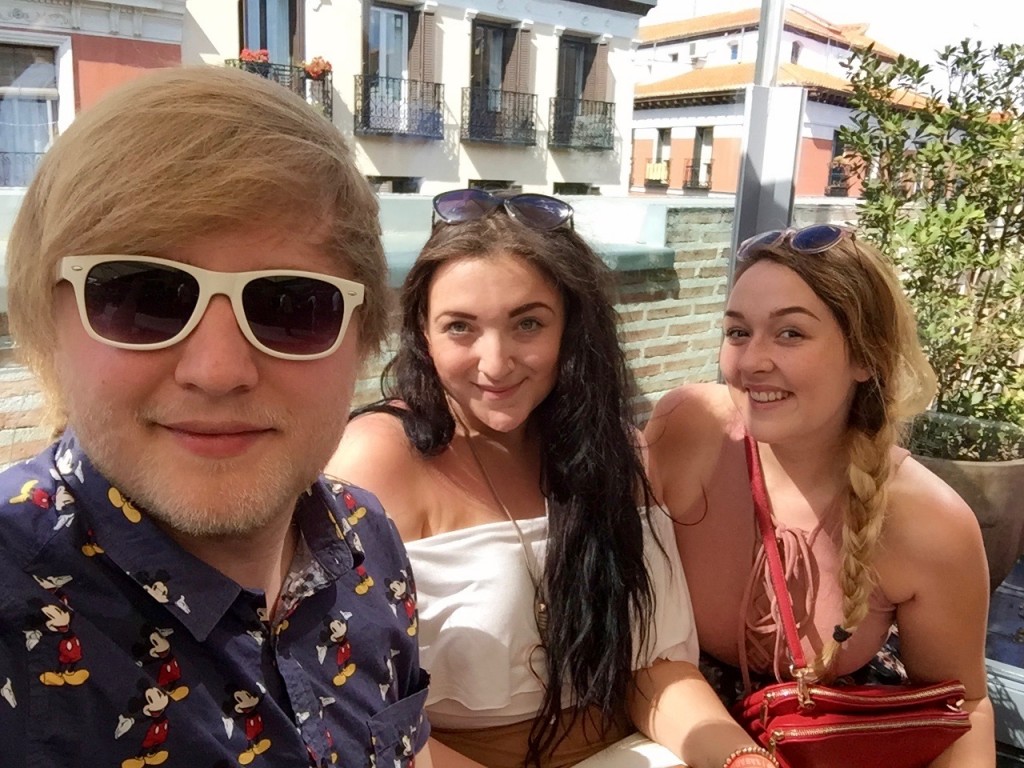
On Sunday their return journey was approaching scarily fast, and so we spent the day chilling out at El Rastro, then heading back to Chueca to sit for a big chat and drinks on the roof of the Mercado de San Antón. It was a lovely chance to find out about what’s been going on back at the theatre, in Burnley and just in England in general – I do get quite disconnected living and working here!
As I said, all too soon Amber and Jess had to leave the city back for home, and so we spent the final evening having our 5000th tinto de verano (similar to sangría) and plate of patatas bravas (a Spanish potato dish) down by the river, before emotional goodbyes had to be said as I jumped in a taxi back to the flat.
I have since been told that Jess has spoken so highly of Madrid that her parents are coming out in a few weeks on a visit of their own! ¡Hala Madrid!
Once again I am here late and I have gotten quite bored of apologising, so I shan’t. Look at me, dropping my English manners and stuff – according to the guys in the studio I am españolizando – meaning becoming Spanish in my ways. Anyway, on with the news…
I was recently joined by more of my family here in Madrid, after my dad’s visit a good few weeks back, when my mum, auntie and uncle drove up from my auntie’s flat down in Murcia (south of Spain) to visit the city for a few days. I met them at my local Metro stop, Ópera, and we were soon out and about in the city having tinto de verano (a bit like sangría) and a good old catch up.
Unfortunately we had a super busy day at work with client meetings galore, so they couldn’t drop by the Erretres studio, but we were sure to go out for lunch and take a wander round the city, exploring all that it had to offer.
In the evenings we headed back to where they were all staying down in the south of the city, which I thought was a bit of a pain as I live towards the north, however I managed to sneak into the hotel which meant that ever evening we were able to head to a tiny local bar in the district and get some authentic and super cheap tapas and drinks away from the hustle and bustle of the city.
Whilst there I acted as translator, and we had a lovely time chatting to the guys at the bar and munching our way through some delicious tapas, including lots of friend seafood which my mum was very brave to try! We enjoyed it so much that one evening we stopped by for our main dinner…
I really don’t have much else to report on their visit, as we spent most of our time trawling around bars and chatting and catching up and resting! After a round of farewells on Line 1 of the metro, they were soon on their way back to the south and I decided to have a relaxing few days, exploring the area around my new flat down by the river…
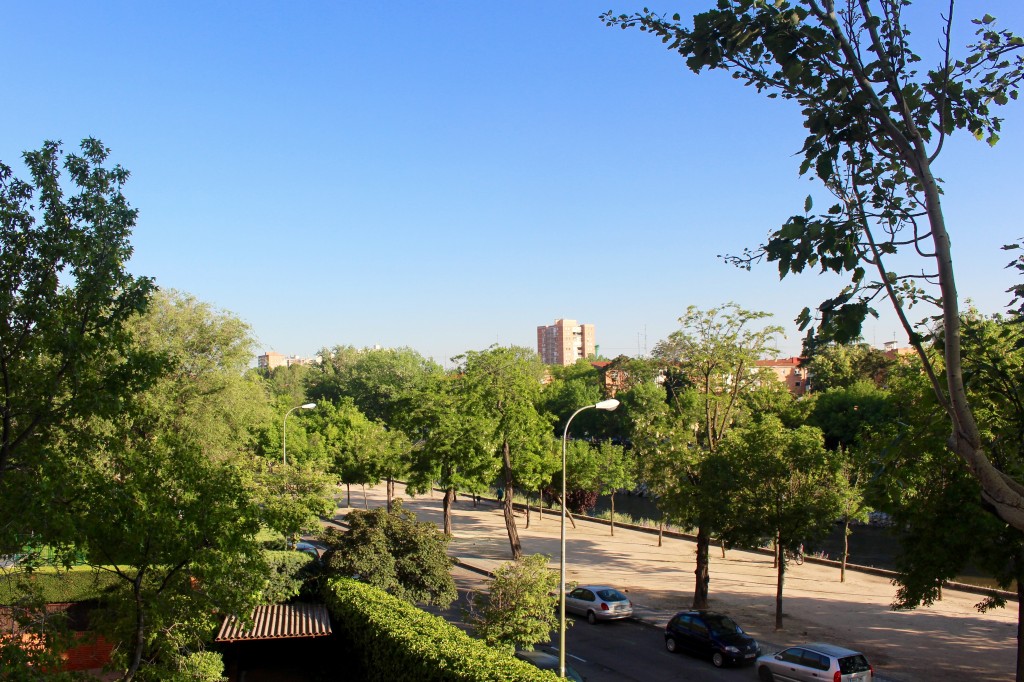
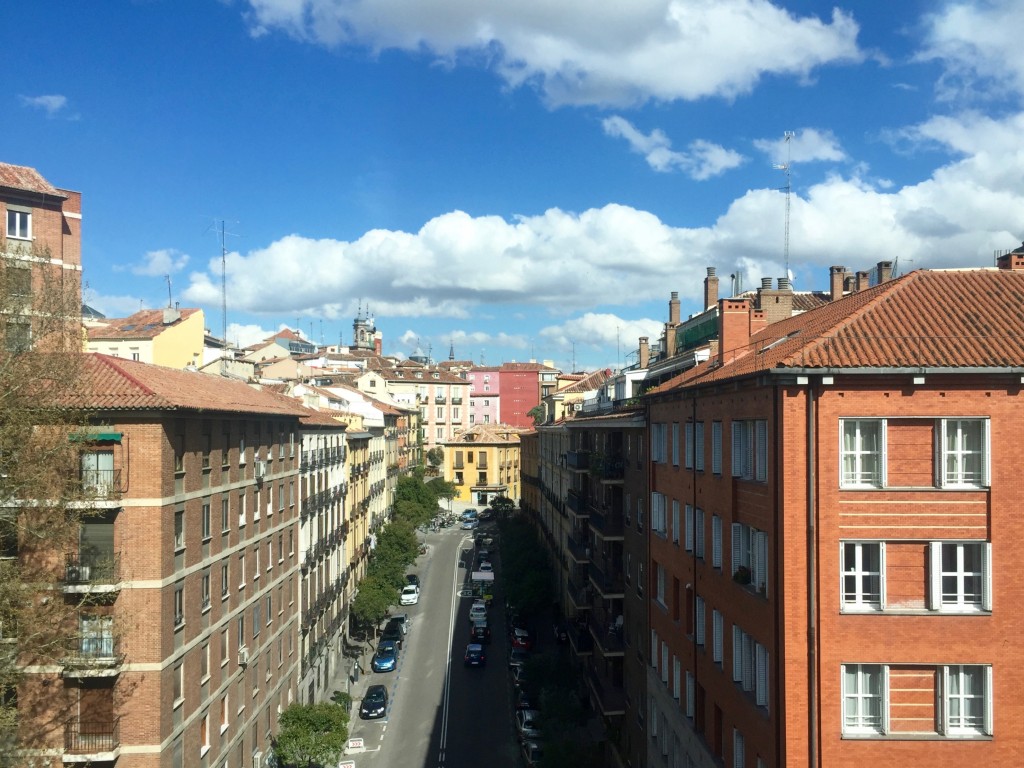
I recently moved in with a lovely mother and son duo here down by Madrid’s one and only river, and I have a fabulously spacious room with a gorgeous balcony view (above) set in a lovely peaceful neighbourhood. I recently picked up Khaled Hosseini’s masterpiece A Thousand Splendid Suns, so one evening I thought I’d take it down by the river (which you can just make out the edge of on the photo above) to relax and get lost in the pages.
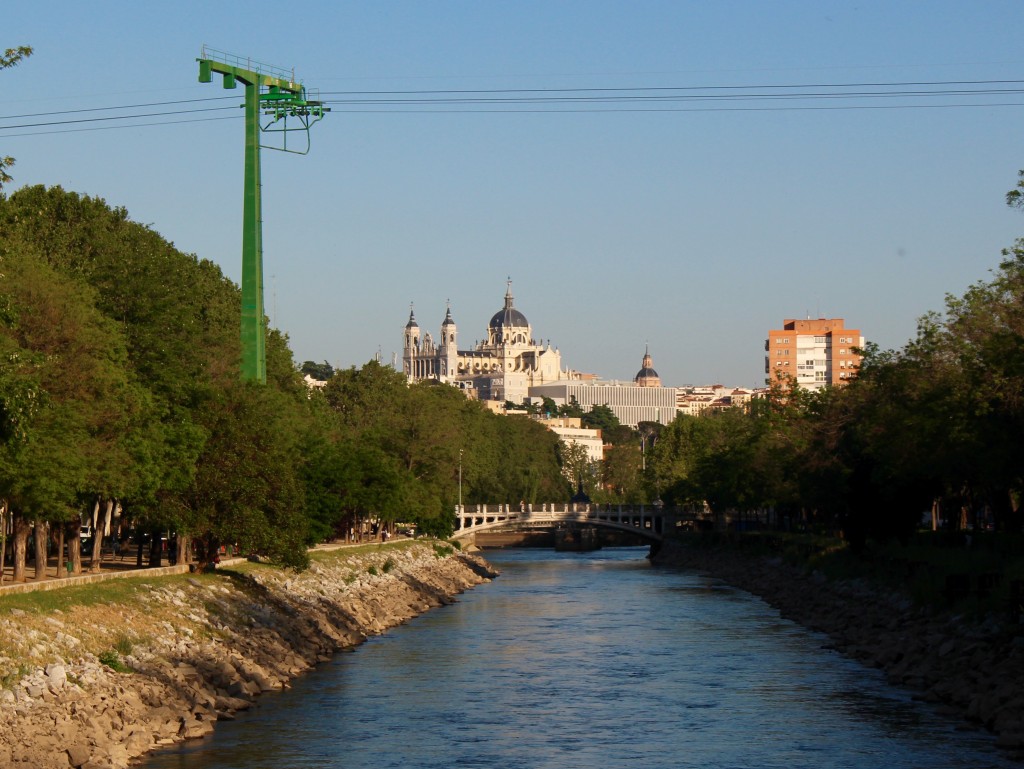
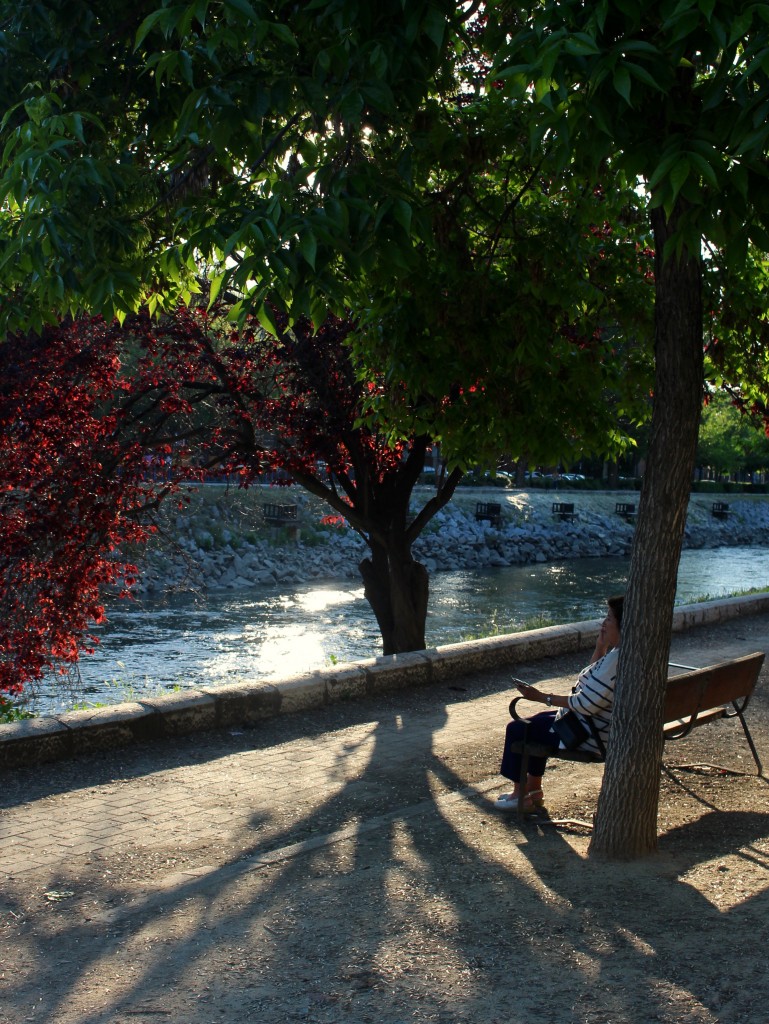
I didn’t actually get that much chance to do my spot of reading once I was down there though, as I was taken in by the amazing views towards the royal cathedral and the general relaxing ambience of the riverbanks. I do thoroughly recommend the book, however – I recently finished it and I had to take a good few minutes to fully compose myself once I’d finished. Find out more about it here.
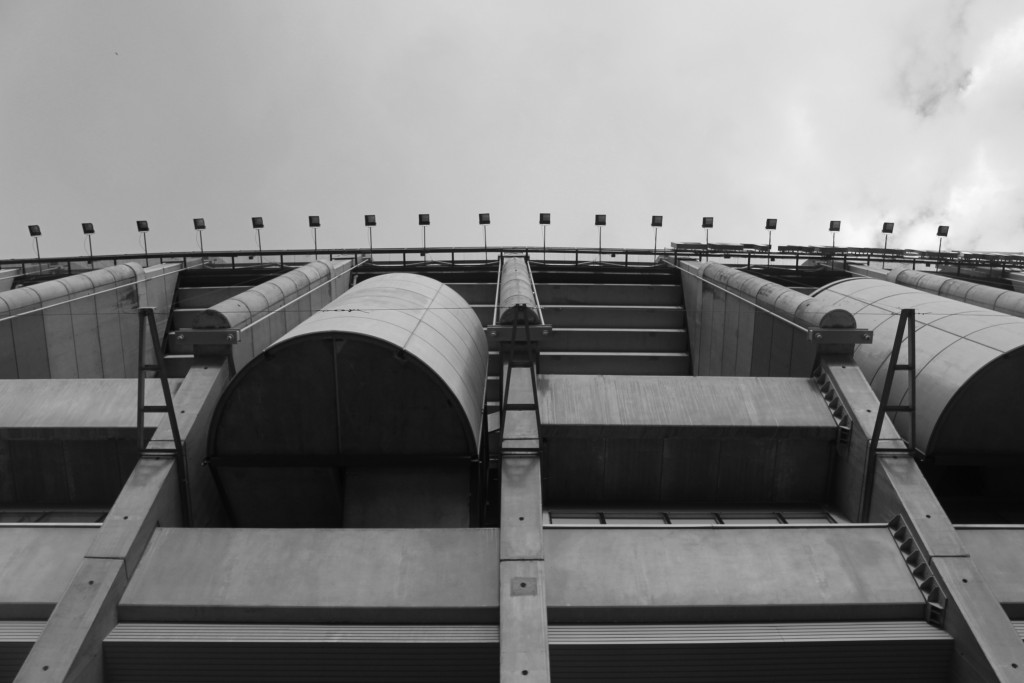
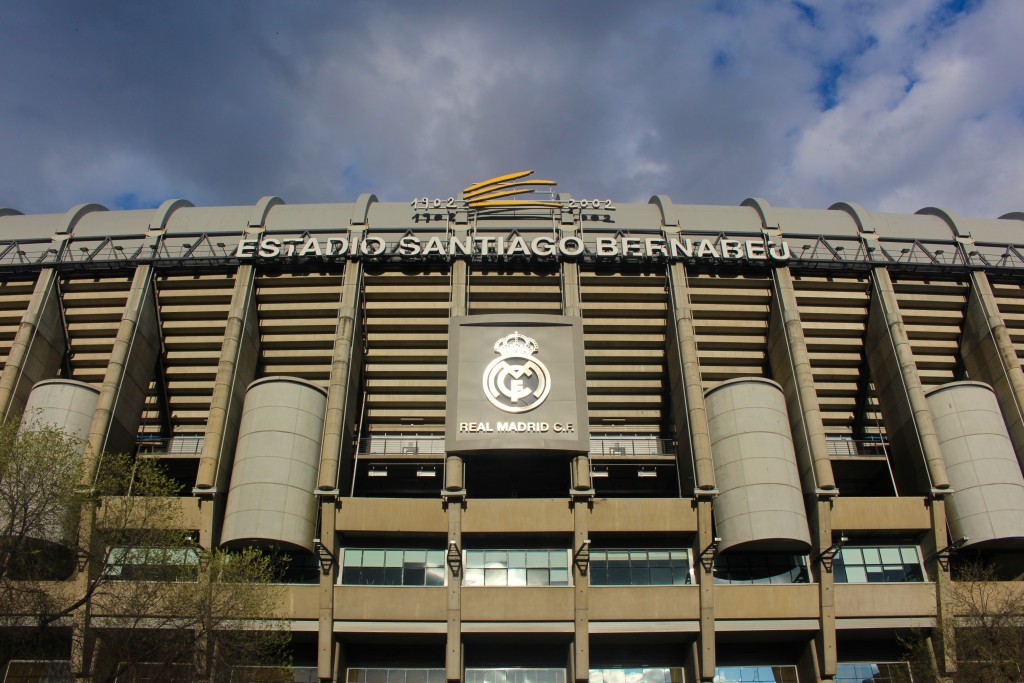
I also spent an hour or so visiting one of Madrid’s big tourist pulls, but something I am not too interested in personally not being a fan of football, the home of Real Madrid – Estadio Santiago Bernabéu. I was quite impressed by the sheer scale and brutalism of the building when I arrived, and with it being Sunday I didn’t get chance to go inside, but here’s a couple of pics for anyone who might be interested…
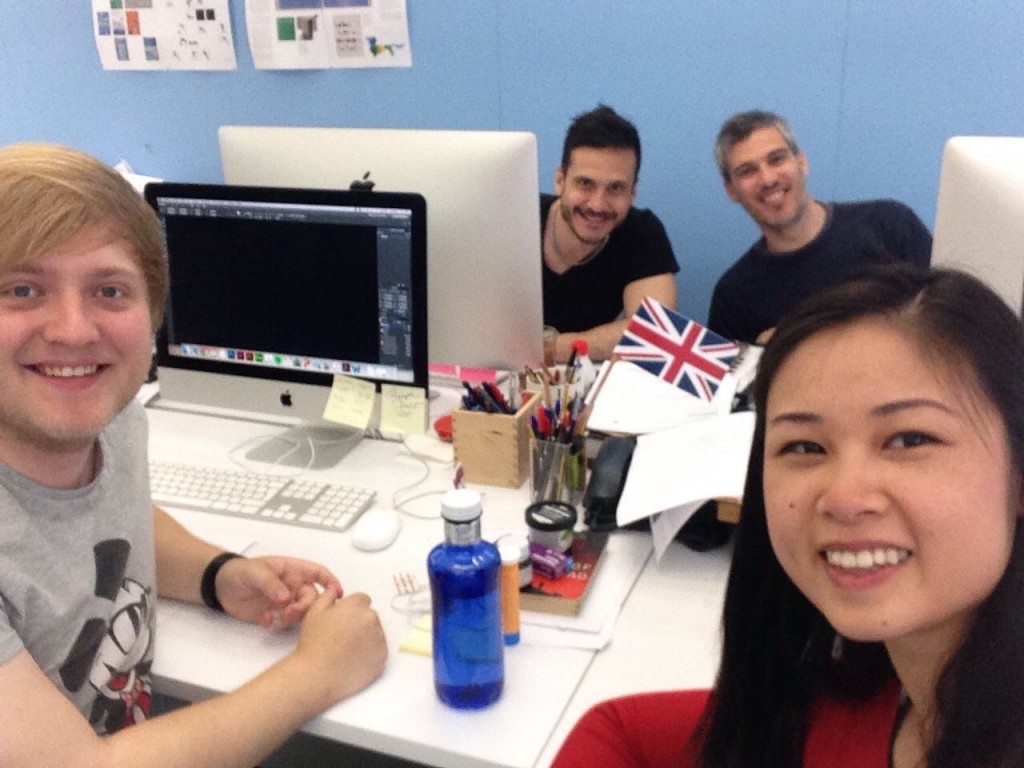
Other than that I haven’t much news – work is busy busy busy and I have been spending any free time relaxing and tidying my flat! I have sorted my next flat out for after Abi & Danni’s visit – which I just revealed as Danni’s surprise 21st birthday present! There is a little bit of good and bad news though – starting with the sad news that Thuy has recently left work at Erretres to pursue new exciting things. Here’s a photo of the table of dreams in the studio!
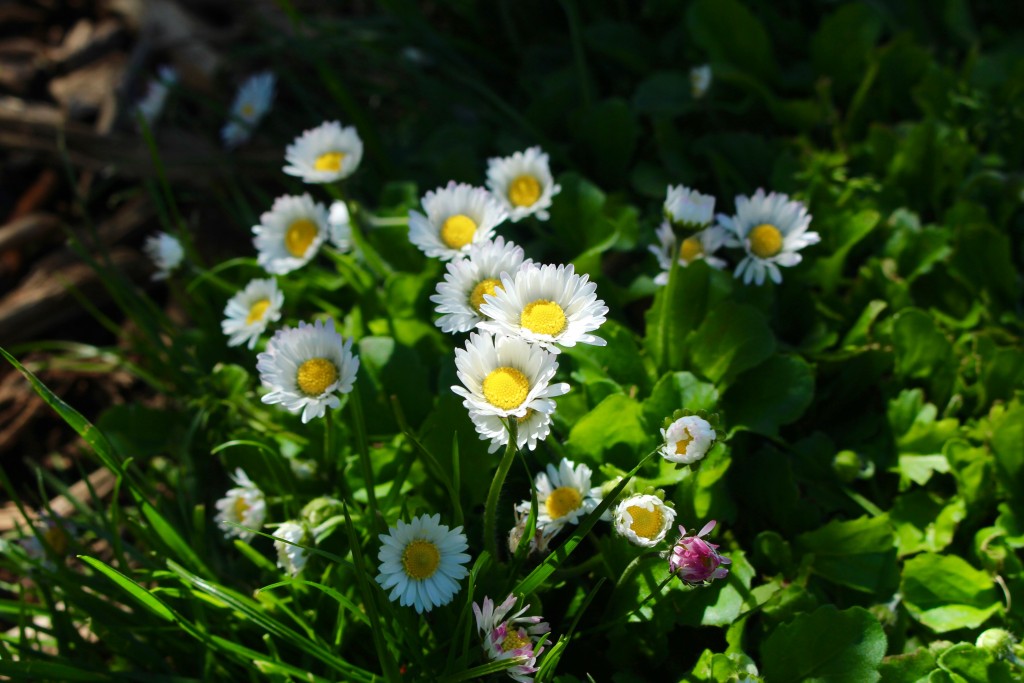
The good news, however, is that I went to a park and there was lots of daisies so obviously I gathered as many as I could and made a daisy chain crown and walked home pretending I was Lana Del Rey. Yes.
Another day, another 2-week-late blog post – but I’m here, I’m full of chorizo quesadillas, and I’m ready to bring you as up to date as I can. As you are well aware by now, I am chilling out (and also working, but it doesn’t really feel like work) here in the glorious city of Madrid. Alone until my dad’s visit a few weeks ago, I was also recently joined by my friend Georgia, who I got to know as one of the other UGRL Scholars – have a nosey at the latest UGRLS antics here…
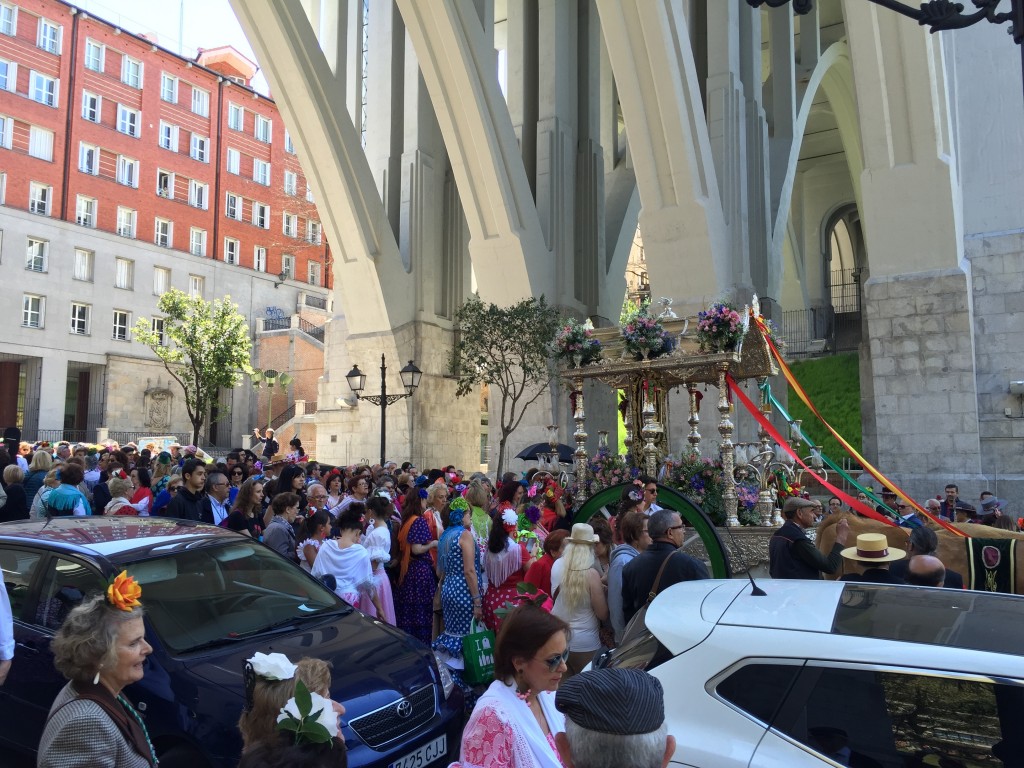
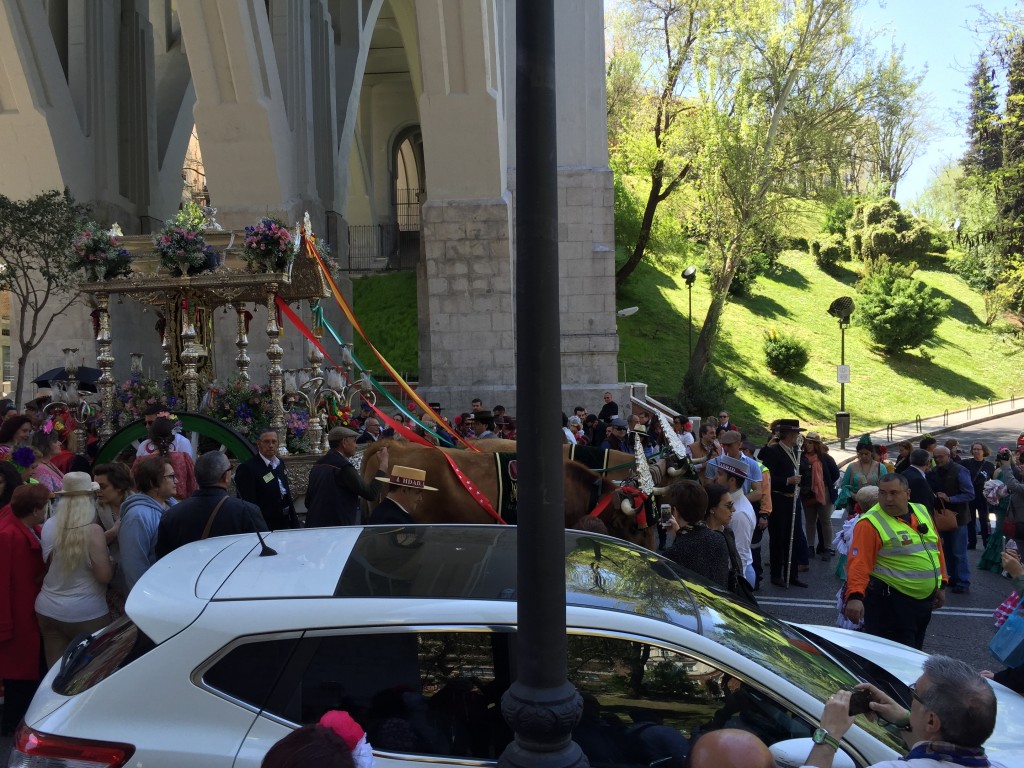
We started off by blazing through all the must-see sights of Madrid, before slowing the pace down a little, which was when we accidentally stumbled across a beautiful traditional parade, which I was told by some Spanish ladies I got talking to had come all the way to Madrid from Seville in the south of the country.
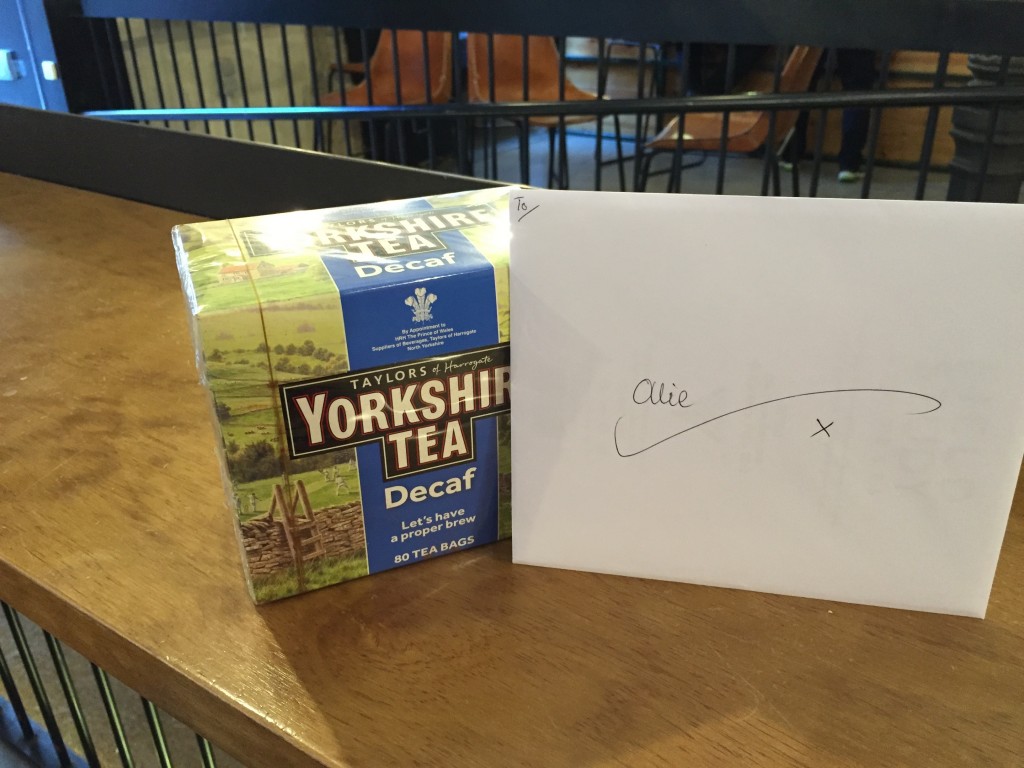
Whilst George was here in the city it was also my birthday, but I am well renowned for not celebrating it (or delaying it by months), and so we took it easy and had some Mexican food and margaritas. The best part of the day was when George handed me the present she’d brought over – a box of Tetley Tea – decaffeinated and all!
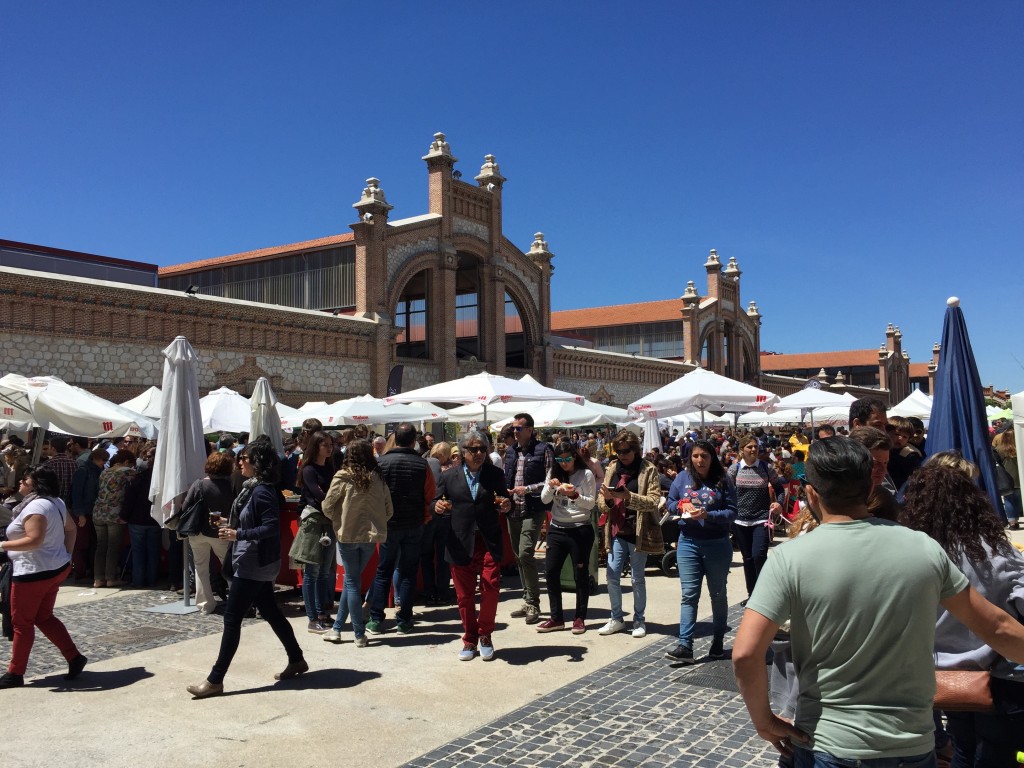
We also happened to chance upon a food market down at the Matadero, where I wasted no time in making a beeline for a paella stand. George grabbed a burger, we both grabbed a glass of tinto de verano (a little bit like sangría), and laid by the river for a while.
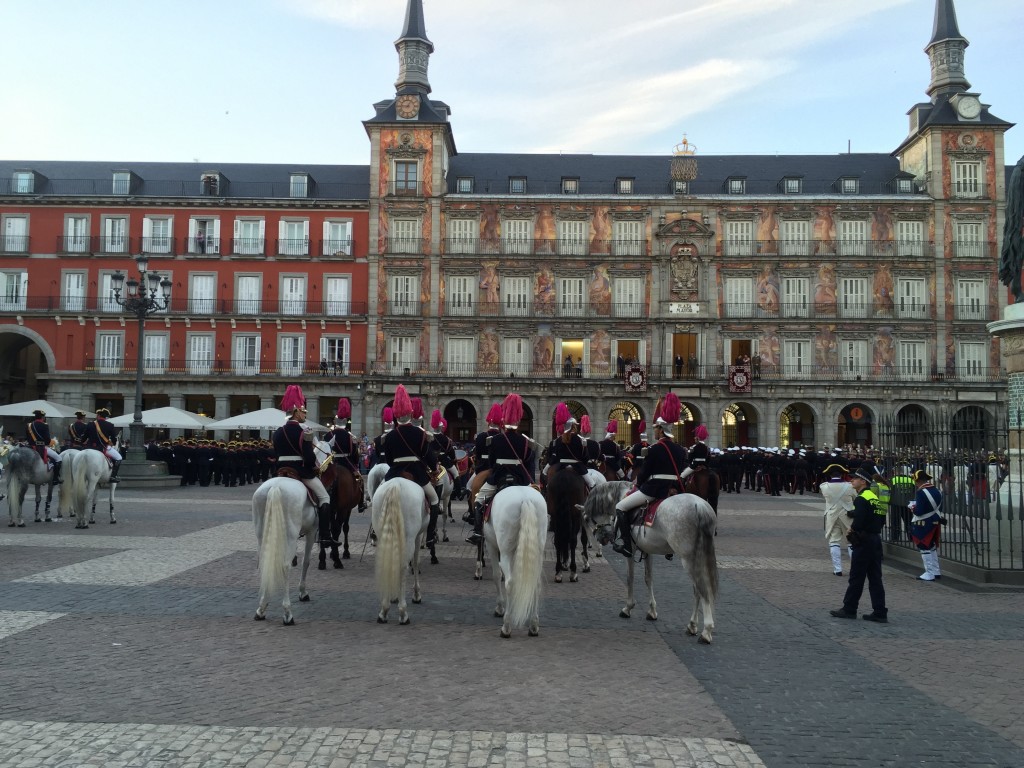
All too soon, though, it was time for Georgia to head back to the airport and to her work placement back in England, and I was off back to designing and dishing out hobnobs in the Erretres studio. It was another lovely few days though, and we even managed to catch a military parade for the “Day of Madrid” celebrations on the evening before she left!
As I write this my mum, auntie, and uncle have just about landed back down in my auntie’s flat in Murcia, after also visiting the city for an extended weekend – but I have yet to process all the photos from that, so I should hopefully be back with another update in the next couple of days!
Until then, I leave you with una de las canciones más madrileñas (one of the most typically Madrid songs) I can think of – “Una Estrella En Mi Jardín”. Click here, wait at least until the drama begins at 1:39, and enjoy. Turn on the subtitles if you fancy a sing-along.
Somehow I have miraculously managed to wind up with another bout of fever in the past week, and so my blog has once again been left feeling a little stale for a few more days than I’d have hoped – but fear not for I am here, and for a few fleeting days, so was my dad, and for his first time in Madrid I had been sure to line up a non-stop schedule of round-the-clock activities for the four days he was here.
Having spent the day before my dad arrived rather sick, I approached the airport with caution, taking the most direct journey and ebbing along the path to the terminal on foot, and as slowly as possible. Eventually, though, I gave up and caught a free bus to the terminal, where I waited at arrivals and was soon reunited with someone from England for the first time in nearly 3 months!
Once we’d gotten into the city, we headed to buy some aperitivos (small portions of food to share around) and then straight to the Erretres Studio to meet the amazing bunch of people I work with and enjoy some jamón with the team. Once full of bread and cheese we marched down to the local café where we have lunch, and we enjoyed a very traditional three-course Spanish lunch.
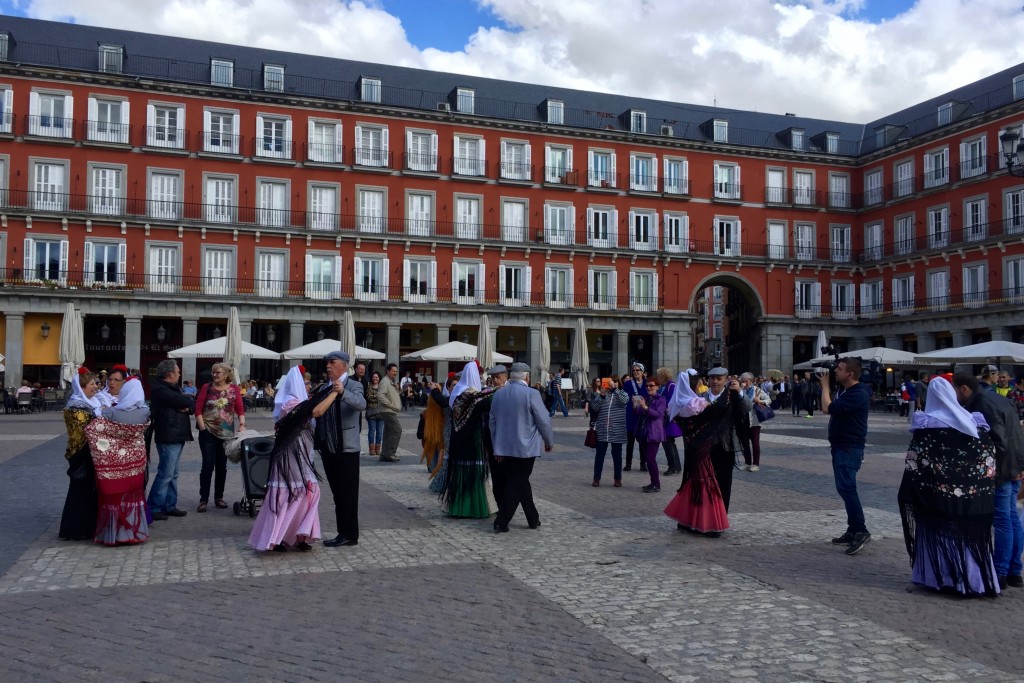
Once done we were once again on the move, headed up Gran Vía and towards Sol, where my dad was staying. Once he’d checked into his hostel and we’d had another wander around the centre, we rocked up at Plaza Mayor, where we found a bunch of retirees had assembled to do some waltzing in the square…
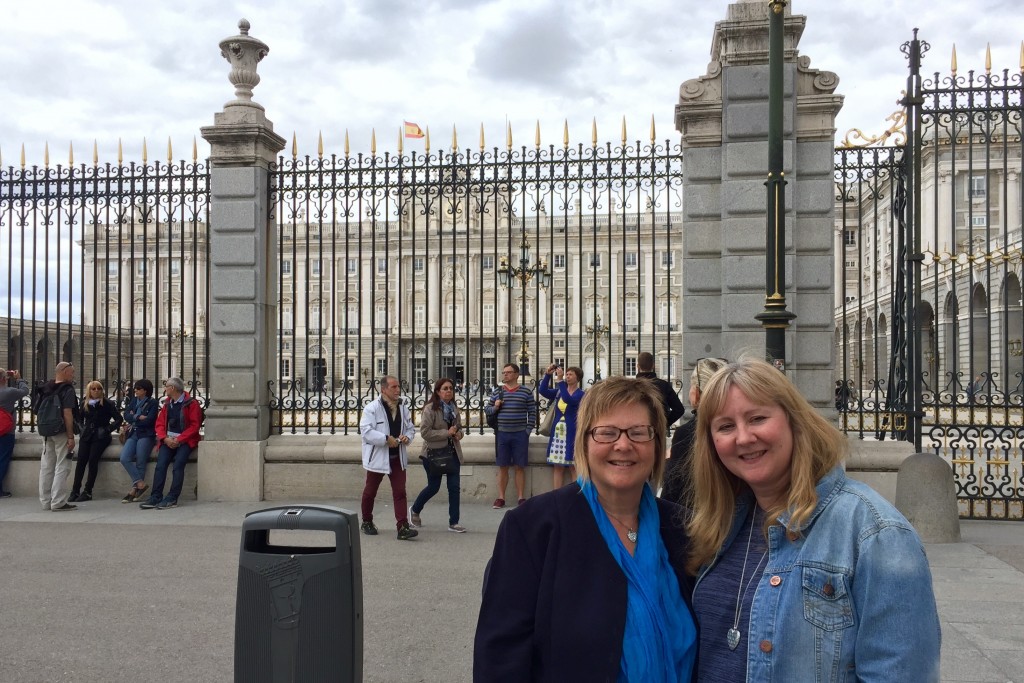
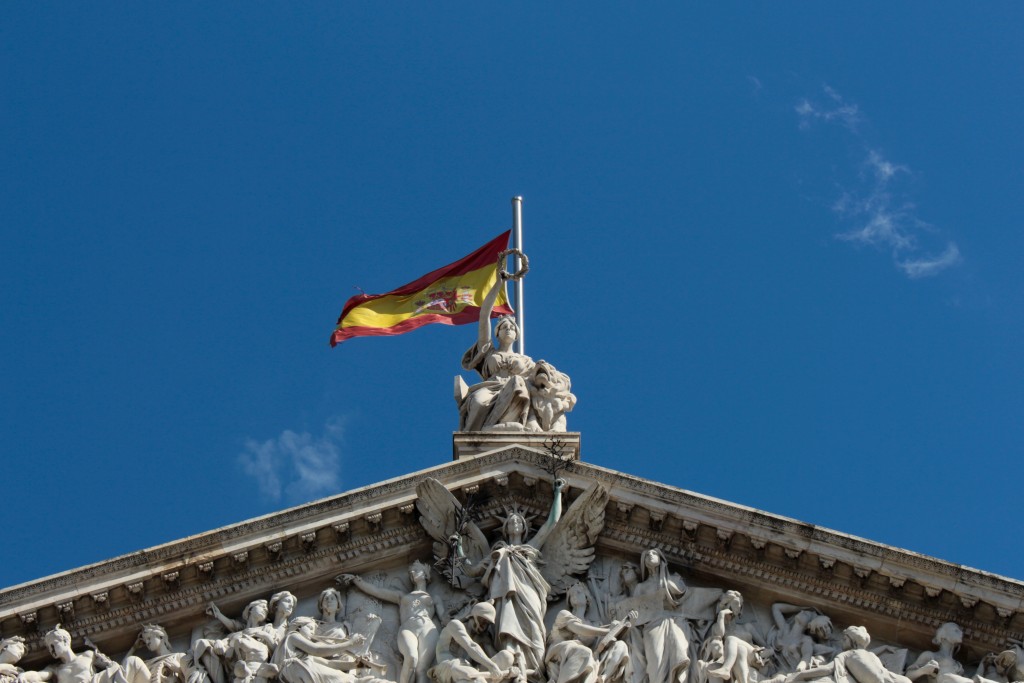
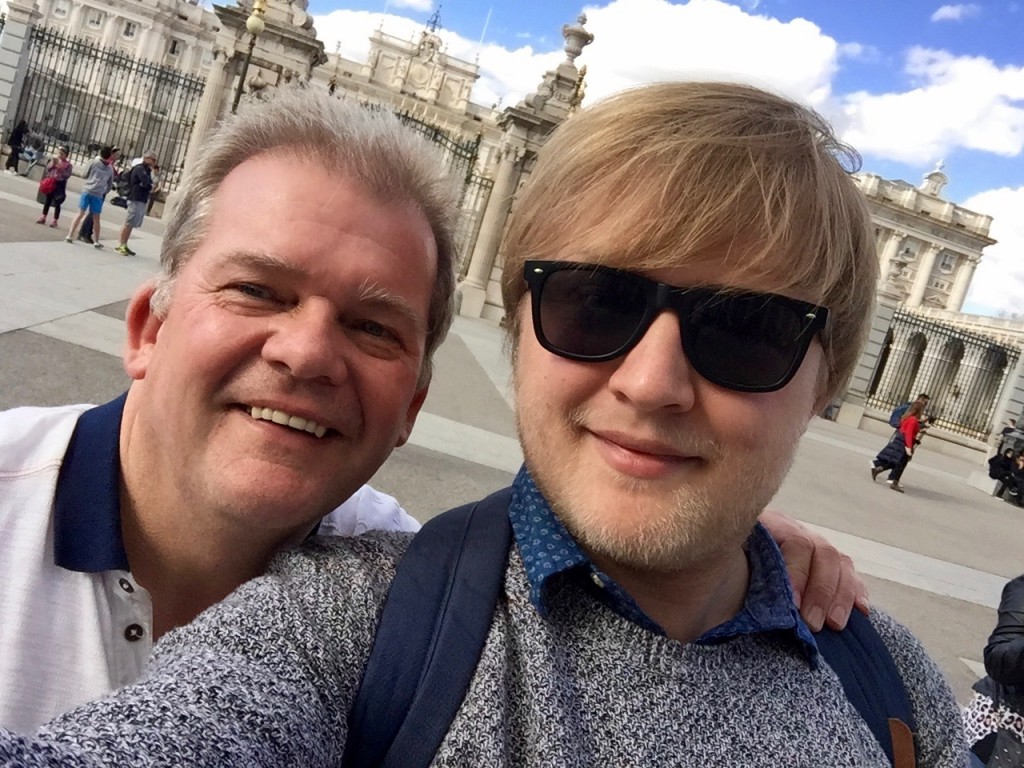
After a little more wandering we rocked up at the Royal Palace, where my dad finally got the chance to take a glimpse at the royal quarter of the city.
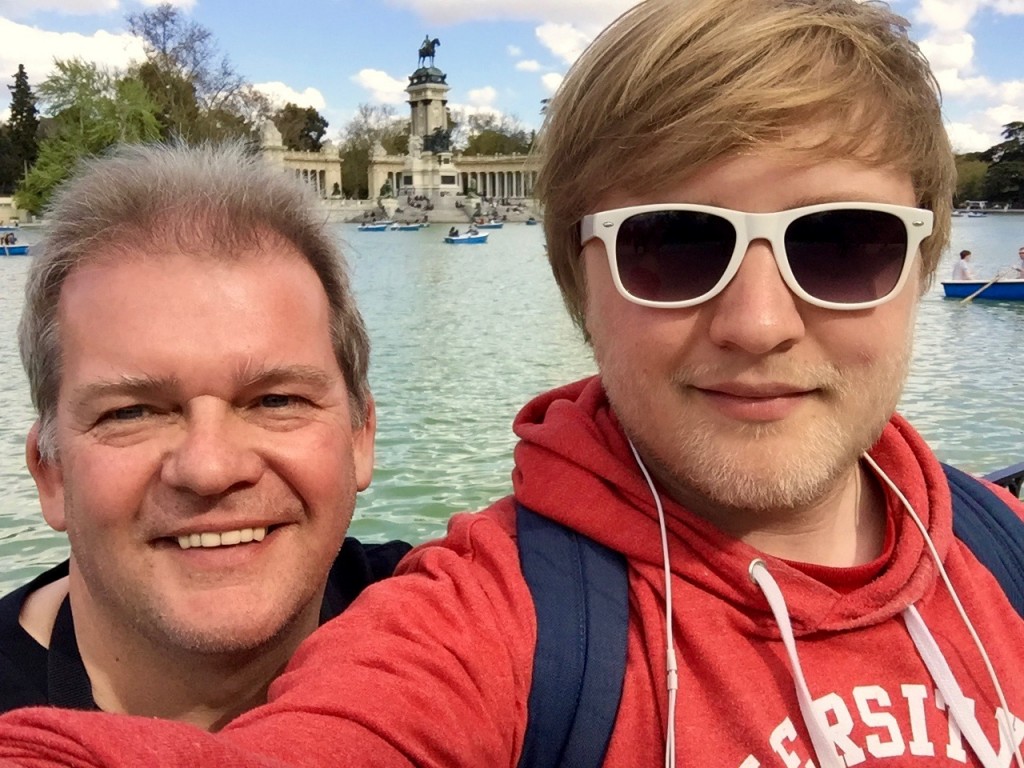
That evening we headed back toward Plaza Mayor for some tapas at a local bar that I frequently haunt, and then on to a little bar in the nearby La Latina district for some drinks and live music. I had to head home relatively early for work the next day, but I had prepared a pair of tours for my dad to head out on whilst I was working, after which I met him at Parque del Retiro and we continued our exploration…
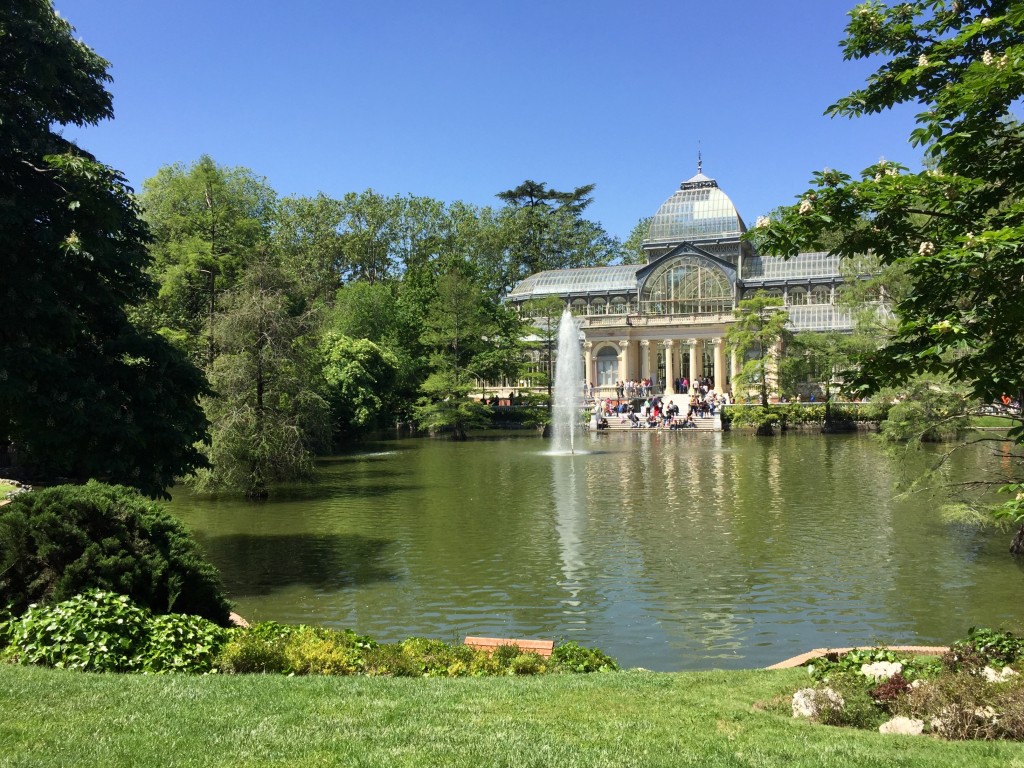
After exploring the beauty of the park and the architecture of the nearby Crystal Palace and Atocha Train Station, we headed back into the city to explore the shopping district, eat some nachos, then head on to my favourite taquería for a bunch of tacos and Mexican beer.
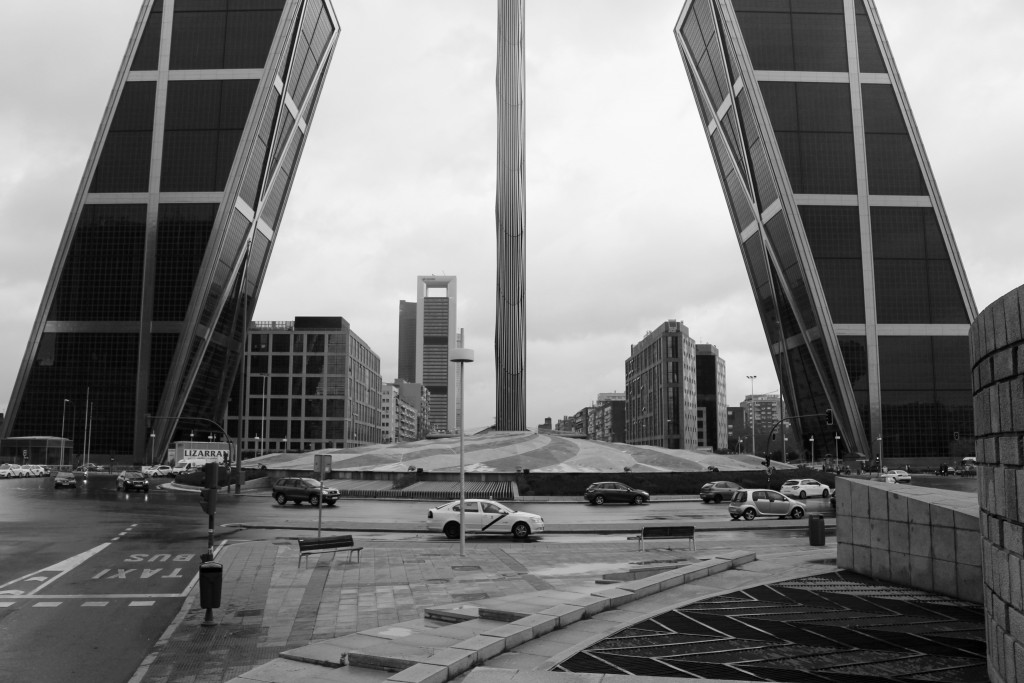
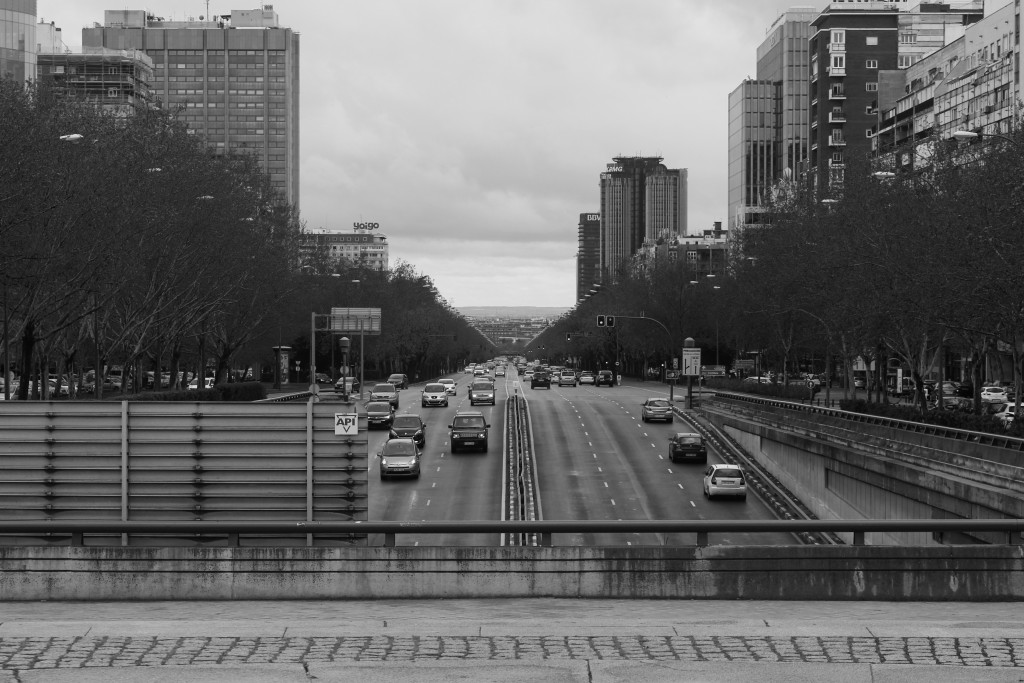
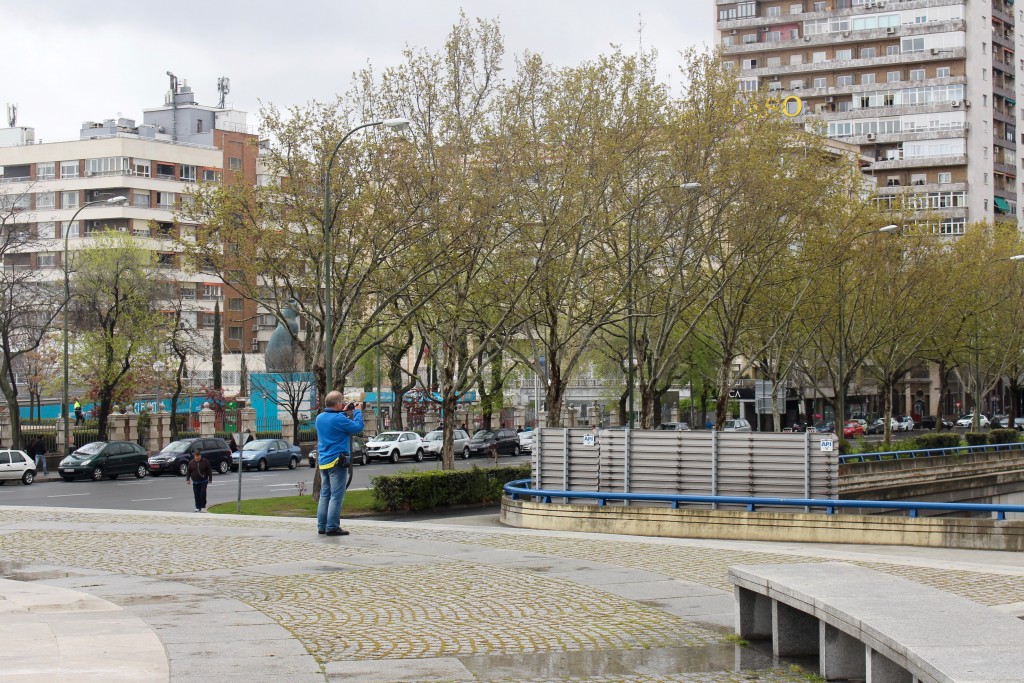
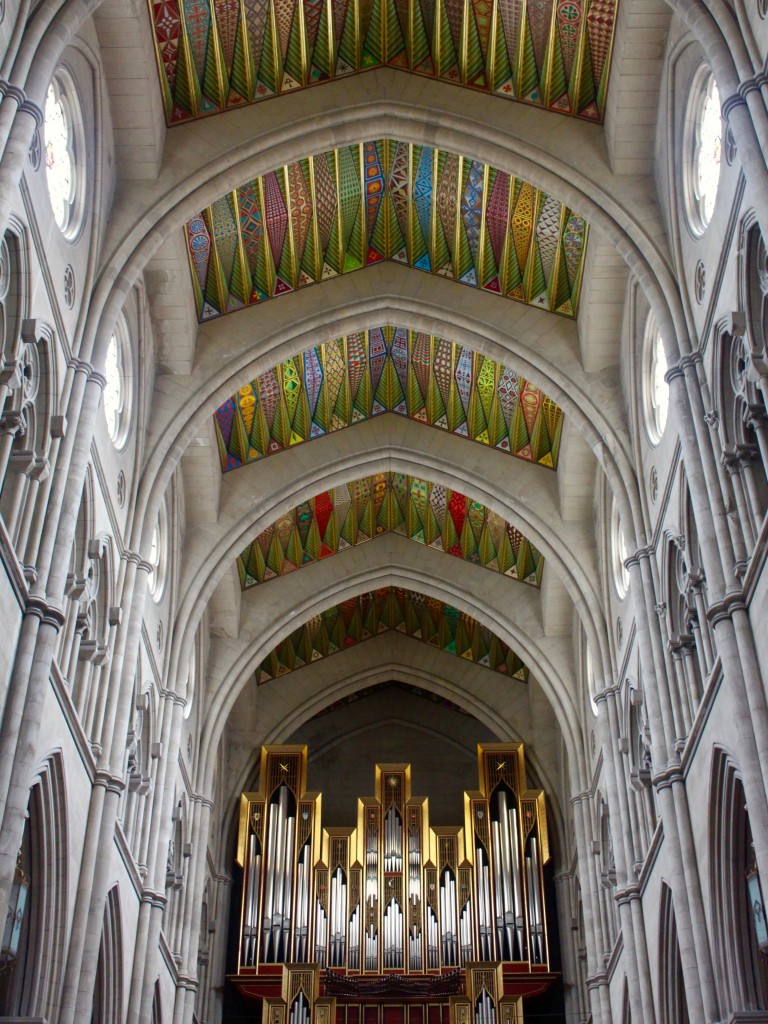
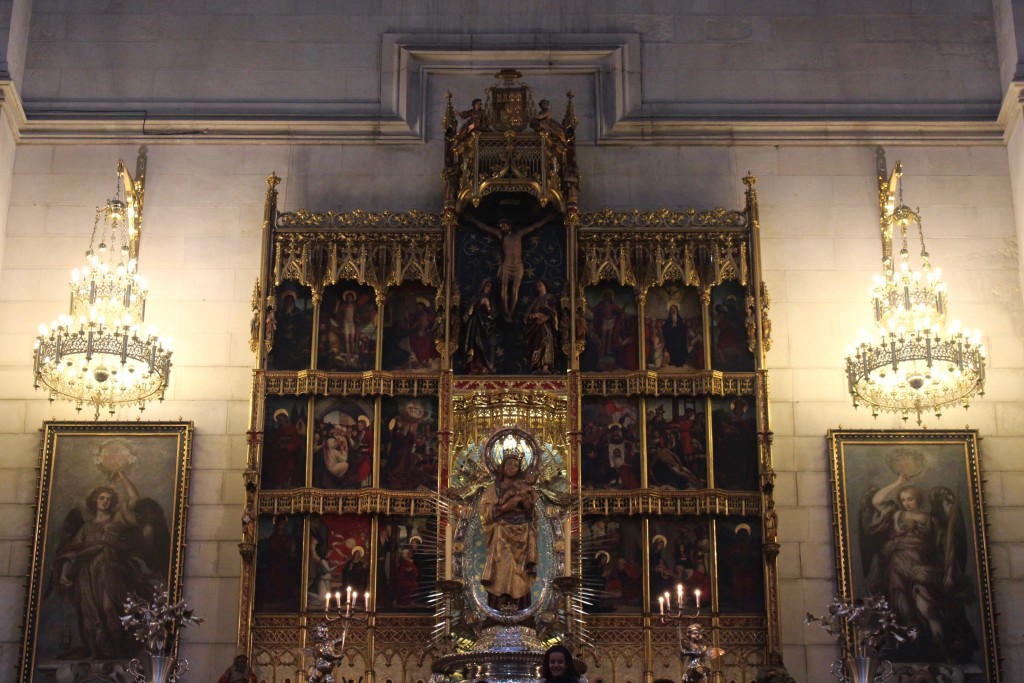
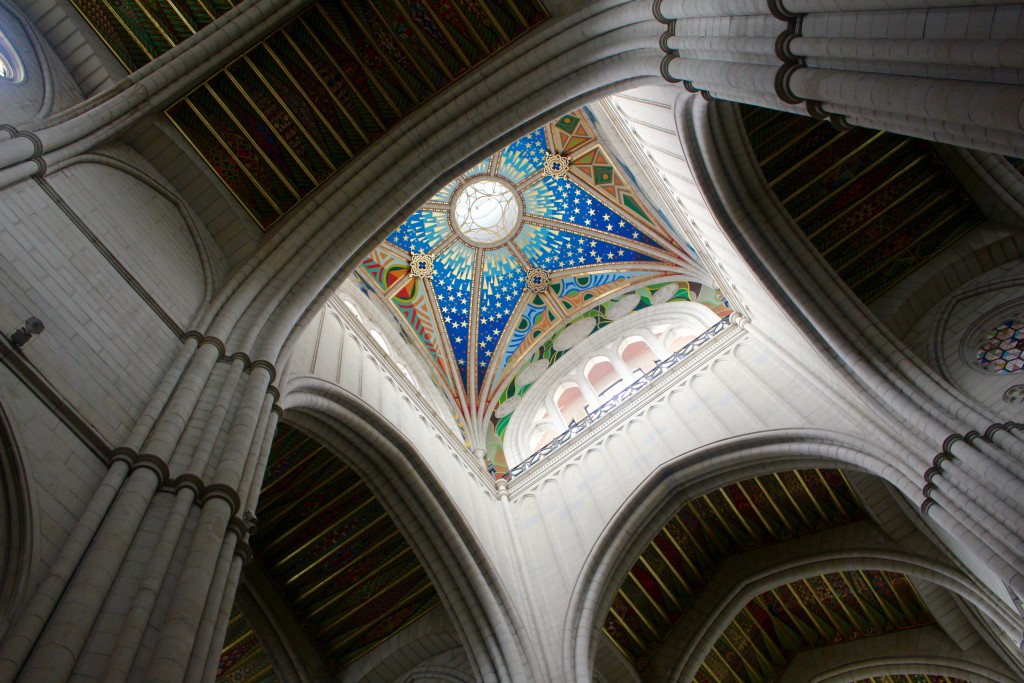
The next day the weather here really didn’t cooperate with our plans, and so we hopped on the Metro to see the Puerta de Europa, the famous pair of buildings which lean toward each other over the Paseo de la Castillana. Whilst there, however, the rain began it’s attack, and so we scarpered back to the Metro to head back to the colossal royal cathedral, Catedral de la Almudena.
Once we resurfaced at Ópera station, the true extent of the downpour hit us – quite literally – to the extent to which we had to hide under one of the window ledges of the royal palace to grab a few minutes of respite from the torrential rain. Once we’d gathered some courage and I’d flicked my wet hair out of my eyes, we powered on through the pools of water to the cathedral entrance. Having not visited since my first trip to Madrid, it was lovely to be back in the amazing space, and my dad was awestruck.
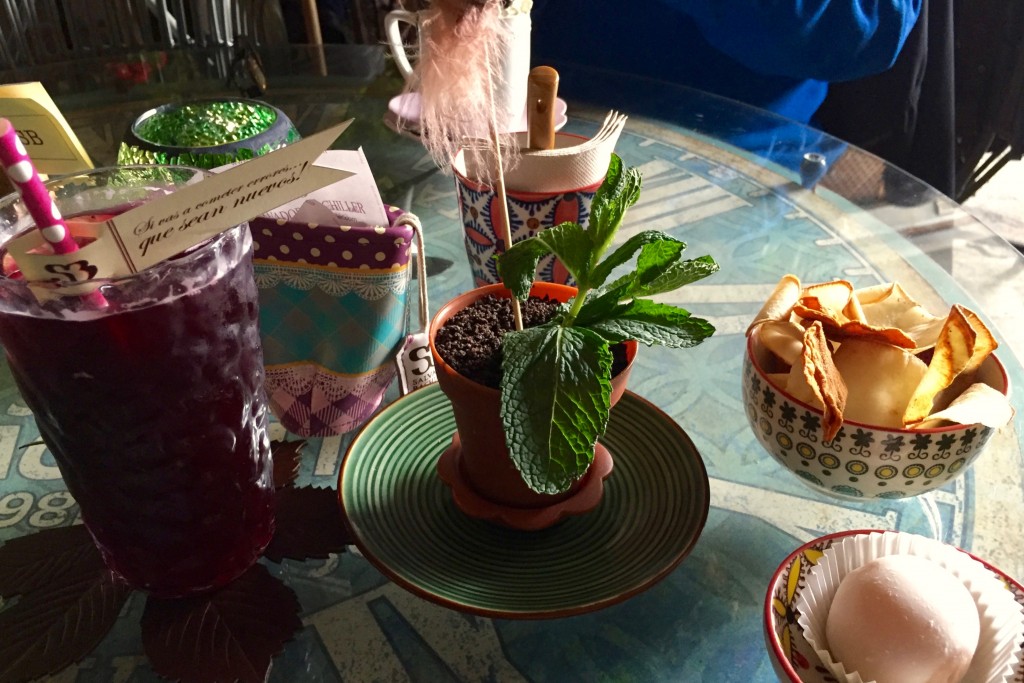
Once we’d finished our snooping we headed back once again to the central area of the city, where I introduced my dad to a luxury spot for afternoon tea which I myself had only recently been informed about, the hidden and aptly-named “Jardin Secreto” or Secret Garden which is tucked away on the roof terrace above a shop in the city.
You’ll have to take a second look at the image above when I reveal that the potted plant in the centre is in fact actually my dessert! The ice cream and Oreo crumble delight was served in a plant pot in such a realistic fashion that even I having ordered it still had to do a double take when the waiter popped it down on the table!
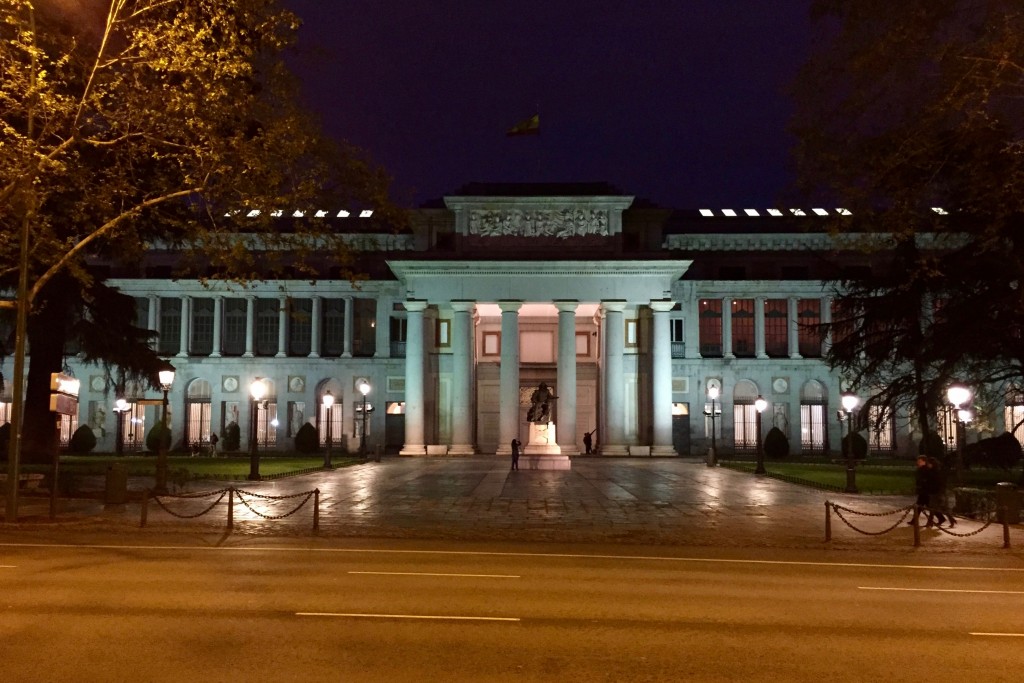
As the day wore on I wasn’t feeling too great, and so we meandered slowly through the city, picking up a light tea on our way home – however we didn’t pass up on the opportunity to stroll by the beautiful Prado Museum in the evening…
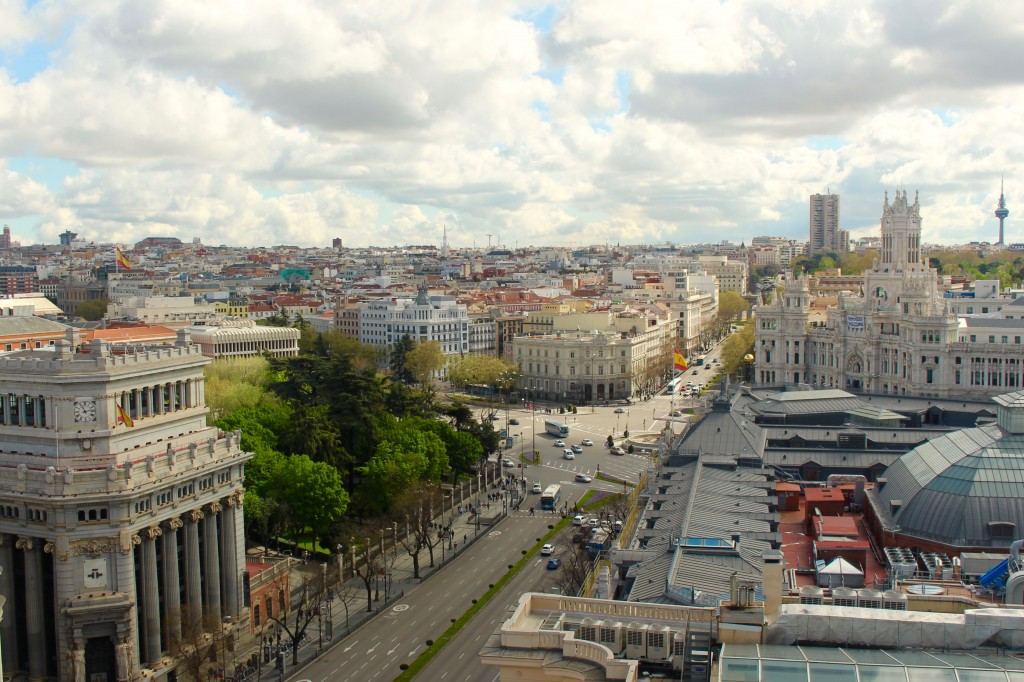
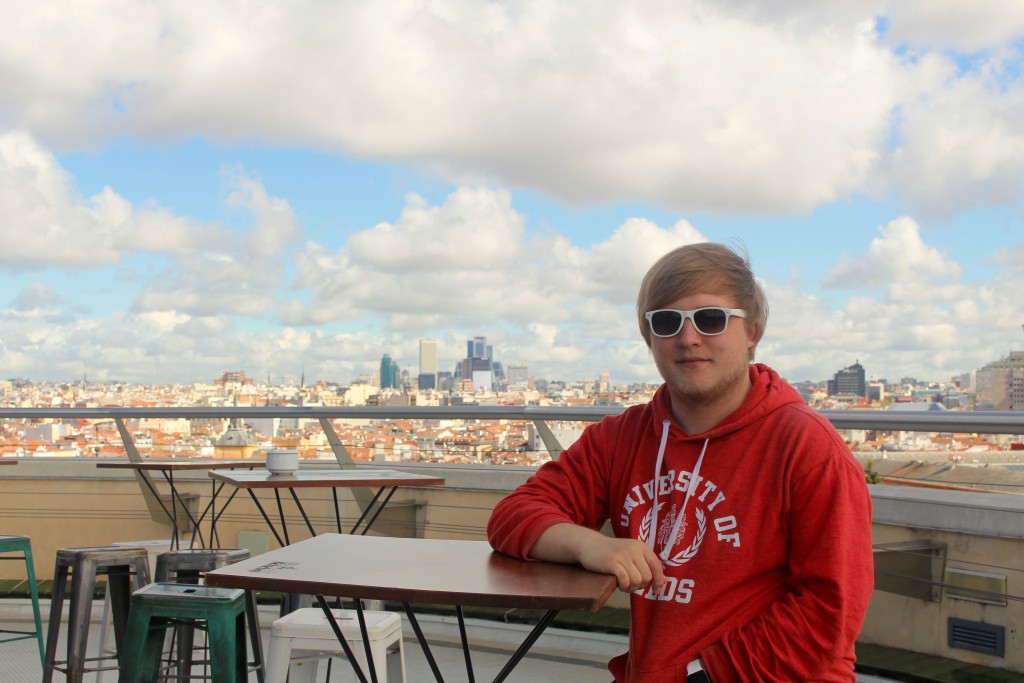
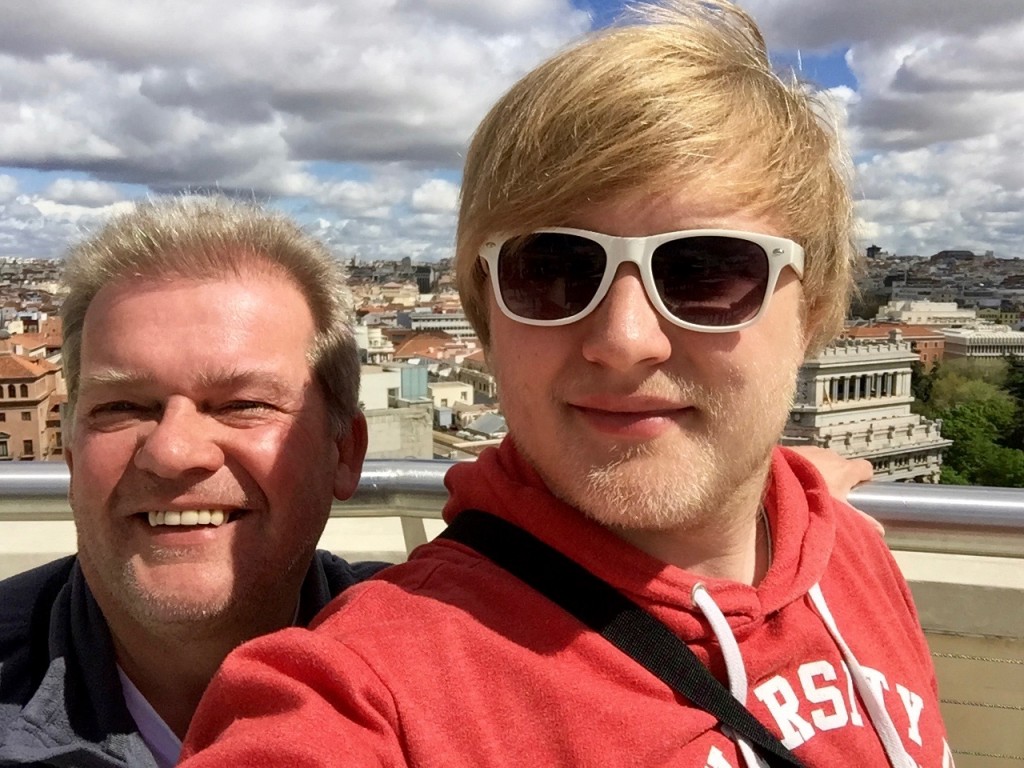
The next day began with something even I have never actually gotten round to doing before, even after having visited Madrid twice briefly and then having lived here for months – and that’s taking a lift to the top of the Circulo de Bellas Artes and admiring the views of the city from its roof.
After this we headed to the north of the city and to the funky district of Chueca, where we wound up on yet another rooftop terrace, this time of a market, and didn’t pass up on the chance to have a beer under the clear skies.
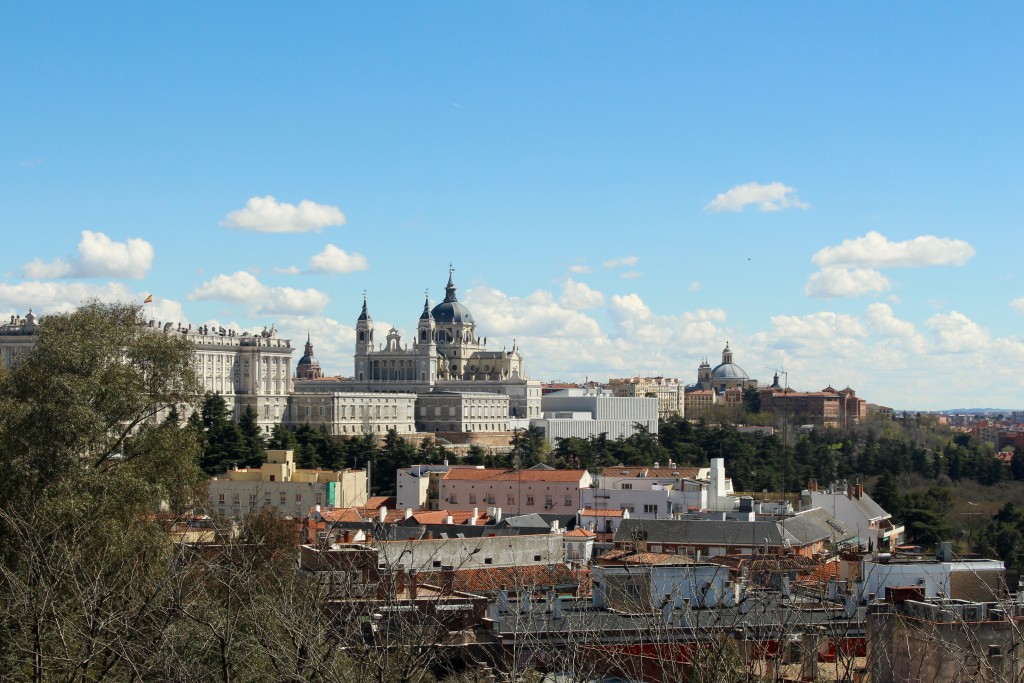
After this it was time to descend into the Metro system once more for a visit to the Temple of Debod (one of my favourite chill-out spots in the city) for a lurk around and to capture some views of the Royal Palace and Cathedral. Tired from another day of marching around the city, we decided to spend some time here, where my dad fell asleep on the grass and I spent the whole time flinching as the ball from a nearby volleyball game kept flying perilously close…
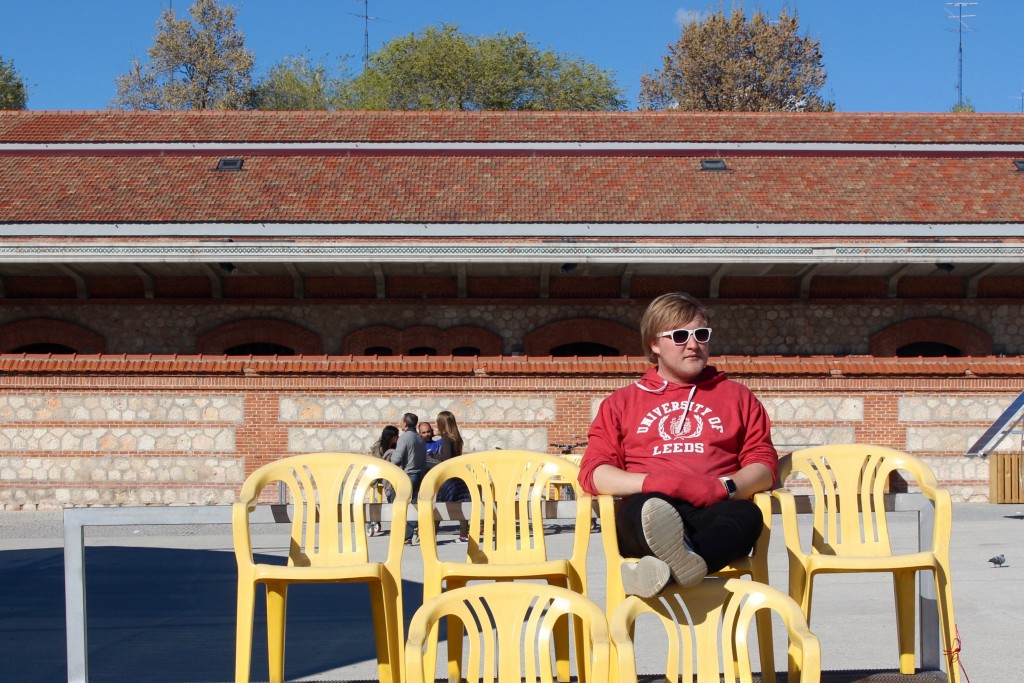
To finish off our last full day together in the city, I thought it’d be a nice relaxing journey to the Matadero, a huge arts and cultural venue built in a renovated slaughterhouse. Feeling sickly once again, I spent the most part of the day sat down on plastic chairs and lying on the grass looking up at trees. See below…
The day after I had to return back to work, but my dad managed to navigate the city with ease in my absence, and I’m sure he has taken many more photos which I still haven’t had chance to nag him for copies of just yet – Madrid life is busy as ever – I have just moved flats and am about 3 blog posts behind! For updates on that, as well as a visit from my friend Georgia, do stay tuned…